East Glacier Village to Conrad

Where The Rockies Meet The Plains – Saturday 28th to Monday 30th May

Saturday 28th May – East Glacier Village to Cut Bank

With the benefit of hindsight, East Glacier Village isn’t somewhere I’d choose to visit again & I should probably explain why I feel that way. I’ll begin with the hotel we stayed in – when we checked-in it took 10 minutes for someone to come to Reception in spite of my vigorous (but polite) ringing of the bell. When someone did turn up, they had clearly just woken up & were in their boxer shorts & vest. I’m pleased to say he went & tidied himself up before checking us in. In the corridor to our room something (or possibly someone) small had left a recent “number 2” on the carpet – luckily we both saw it & avoided it! To give the Inn Keeper credit, he quickly cleared it up & apologised.

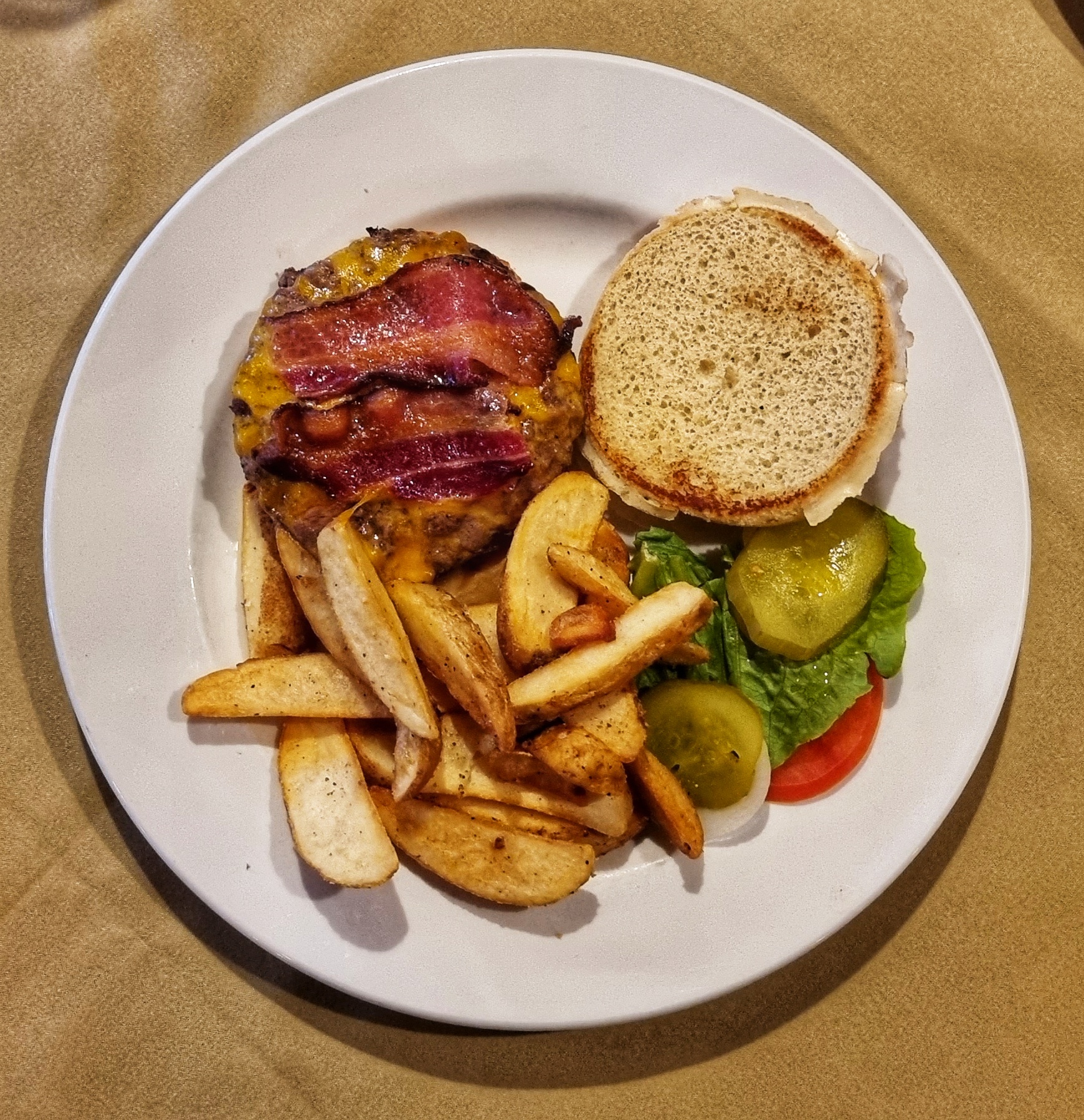
There was only one restaurant in town, a Mexican, so that made our choice for us. Unfortunately, Sean doesn’t like Mexican food, so he chose the burger – when it arrived it looked a bit cremated to me, but I kept quiet at the time. Later Sean confirmed it was fairly grim! Although salad was on the menu, they weren’t serving them that evening, although Sean’s burger & my fajitas came with tomatoes, lettuce & onions!

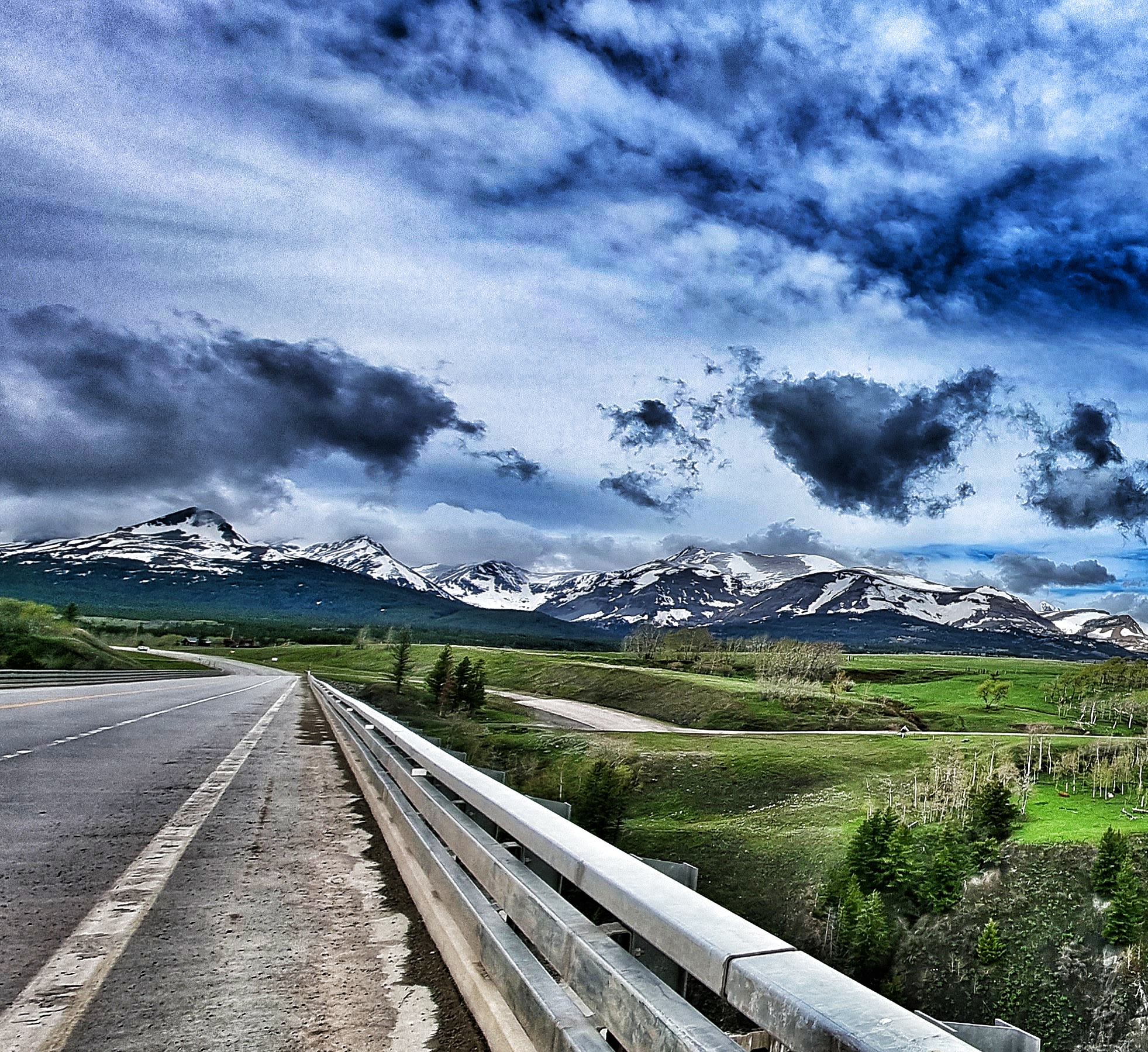
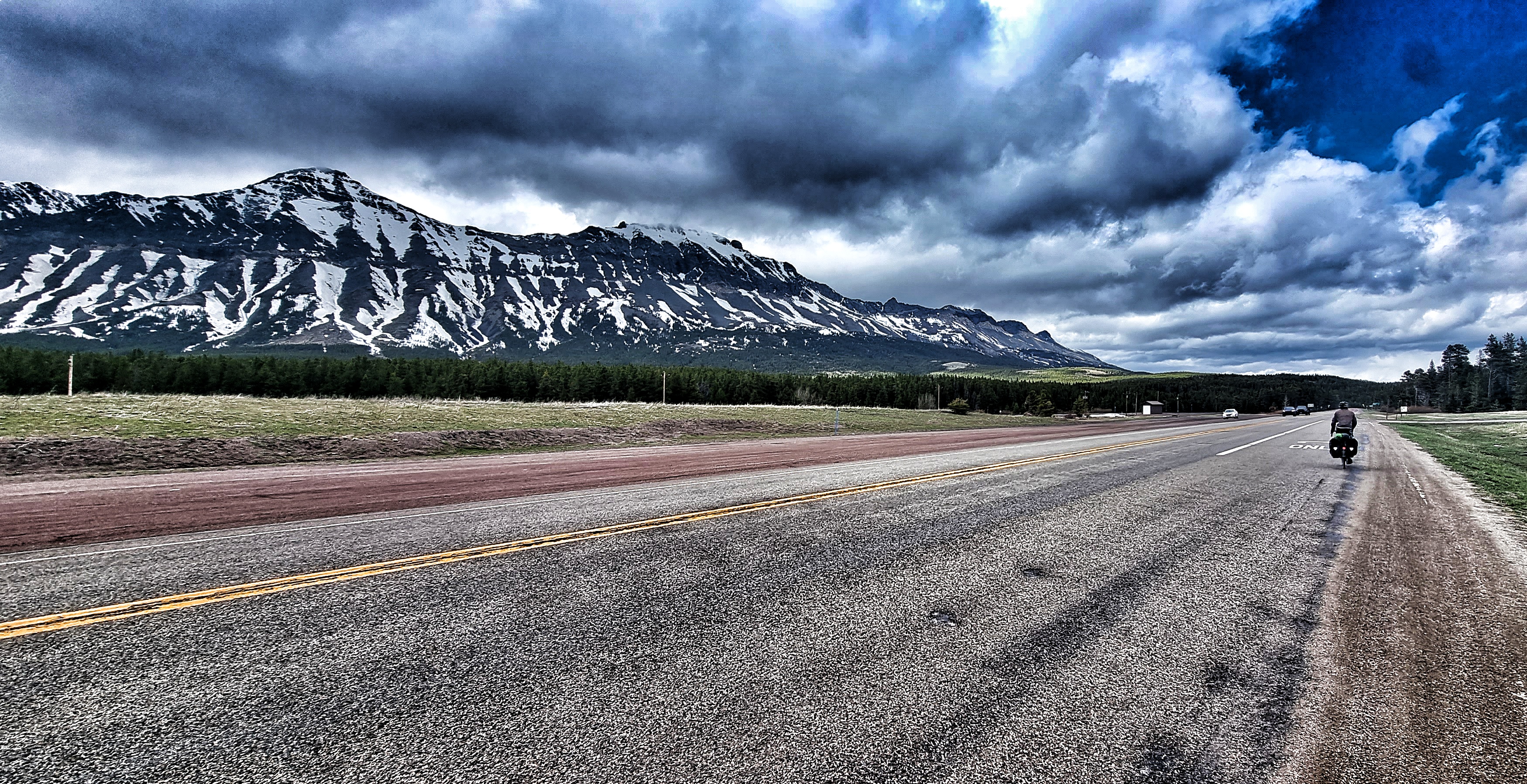
Anyway, enough of East Glacier Village – you live & learn, plus we only stayed one night. We had a few bowls of cereal, a yoghurt & some tinned fruit for breakfast before hitting the road by 9.40am. The first couple of miles climbed gradually as we continued easterly on US 2, with the Rockies laid out to our left & behind us. We also noticed that we had a keen tailwind for the first time on our adventure – this could be fun if it lasted!
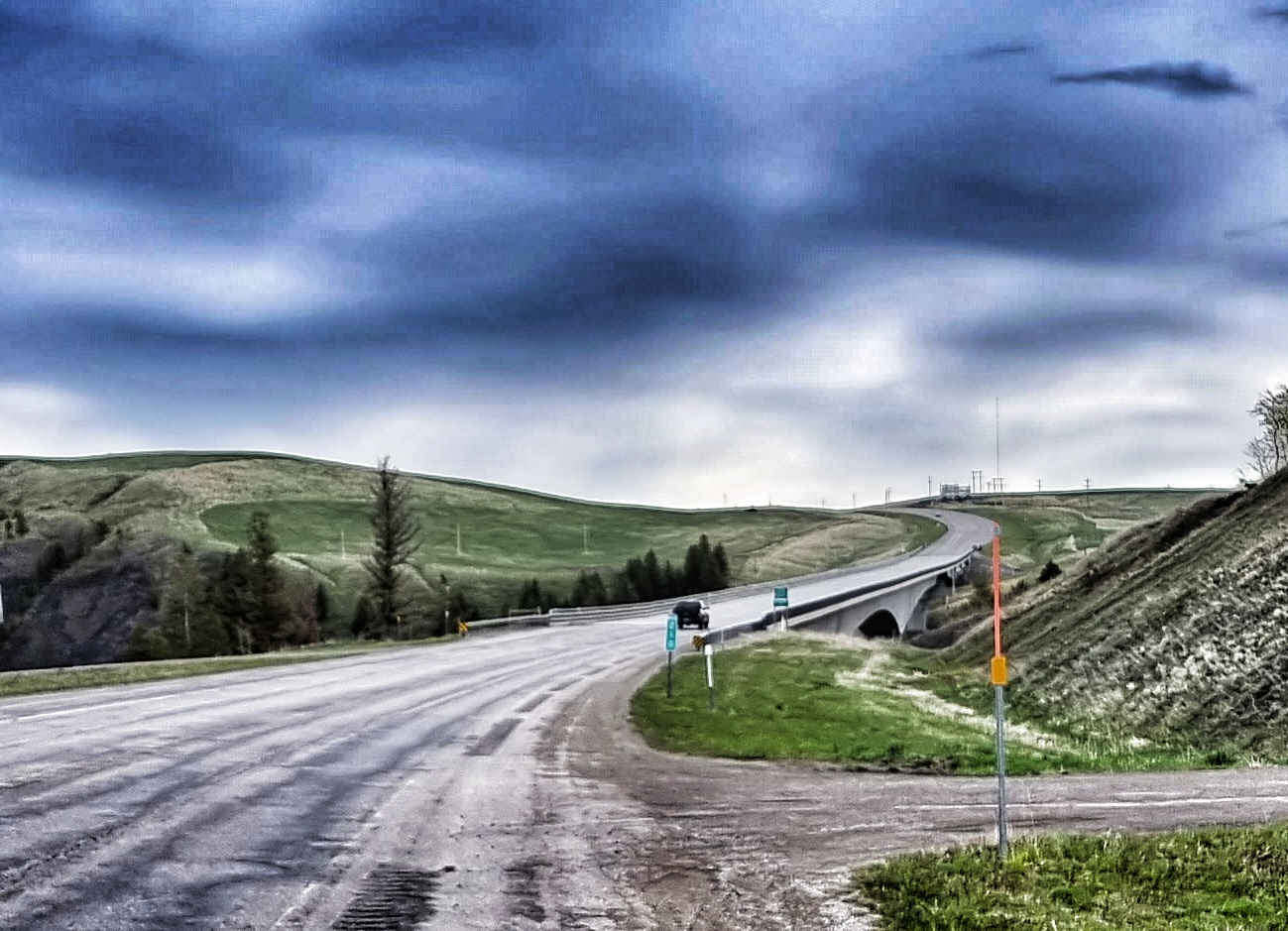
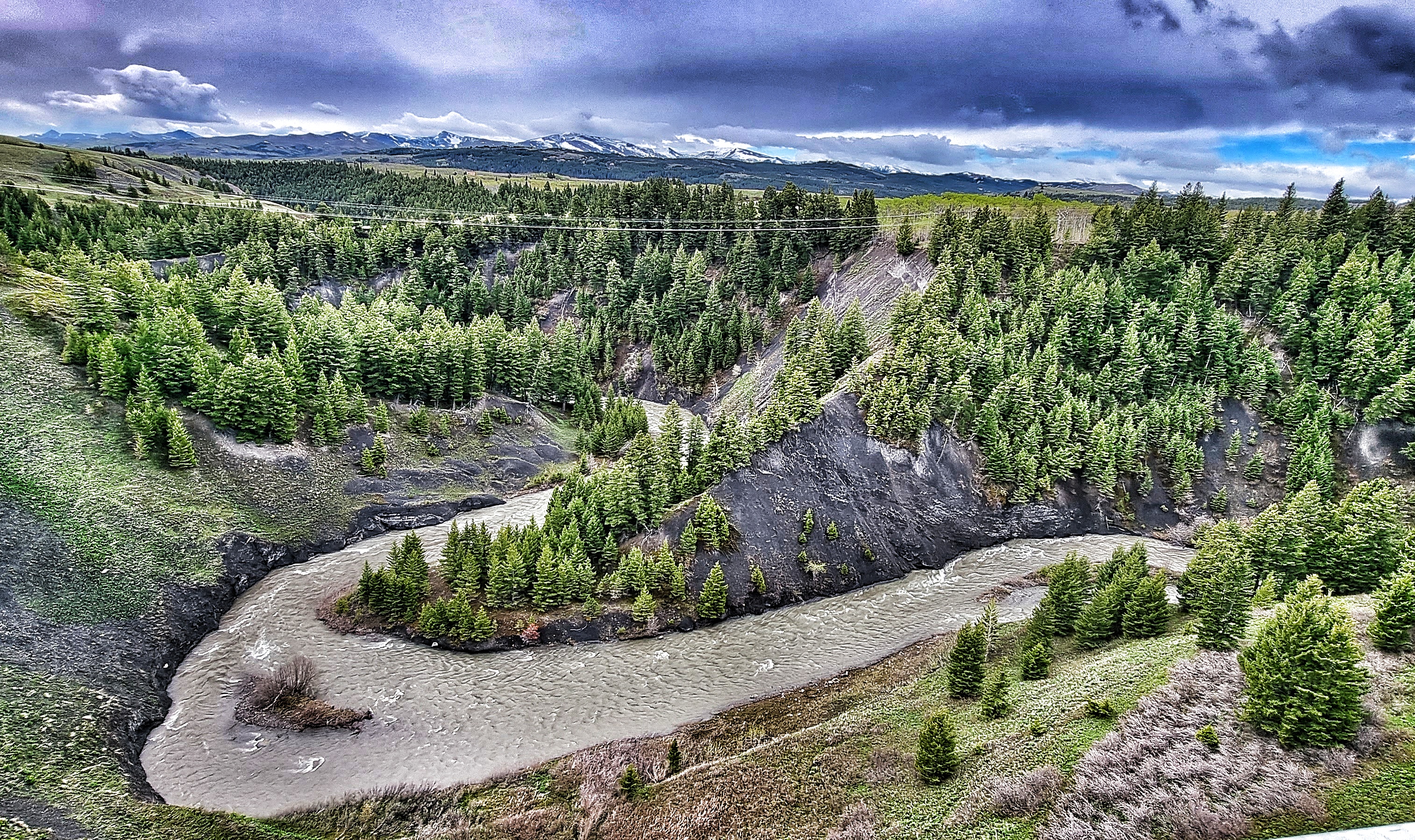
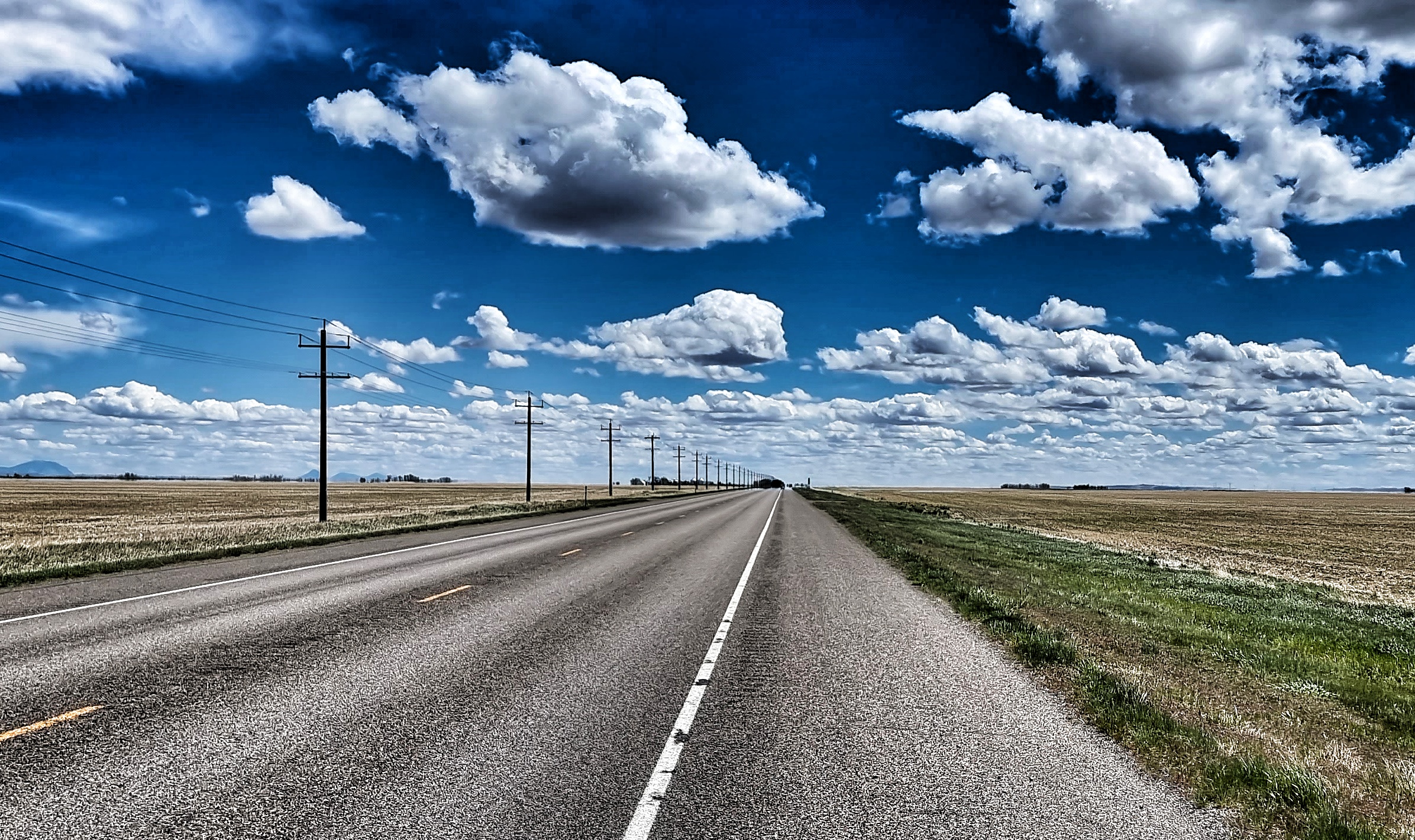
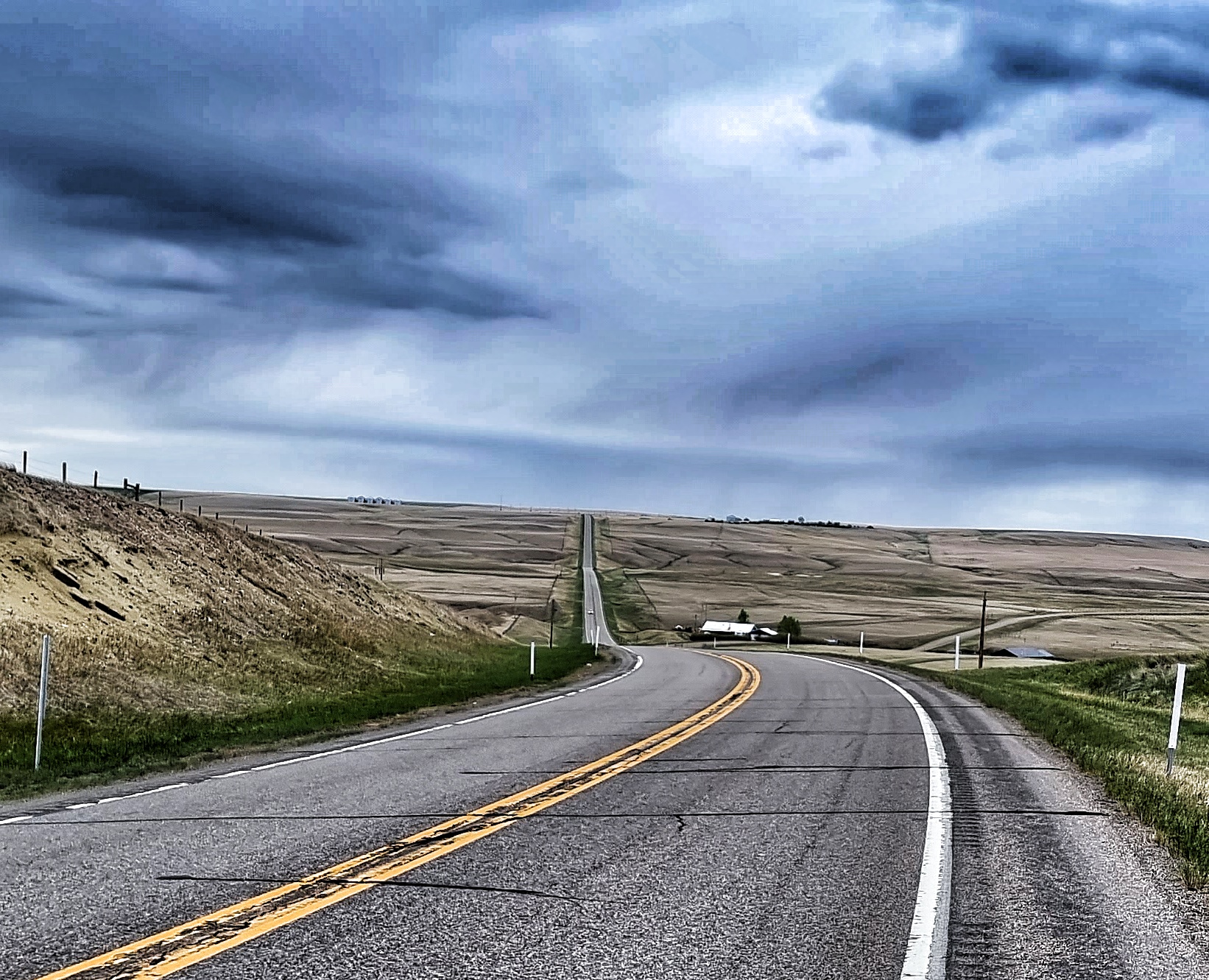
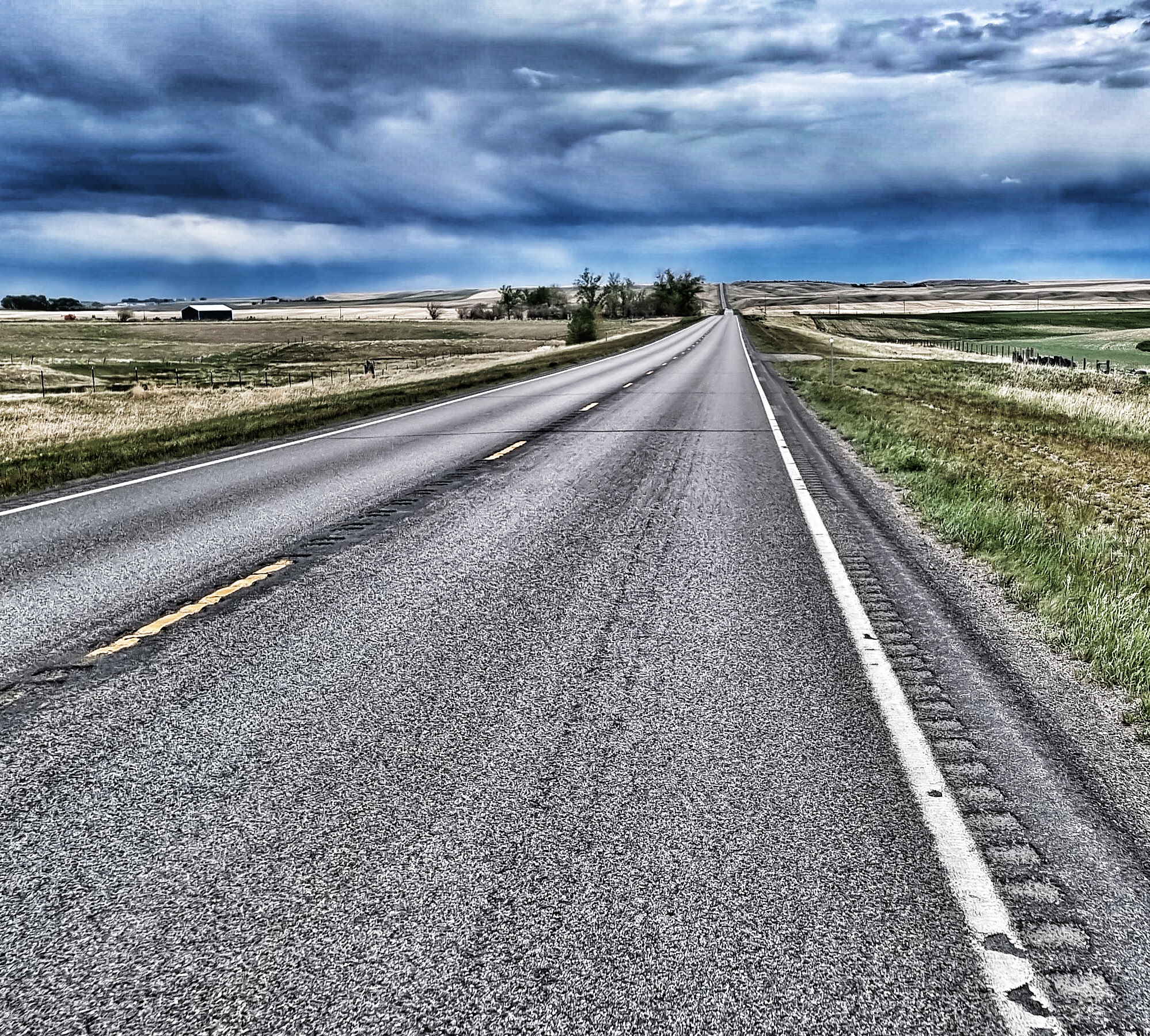
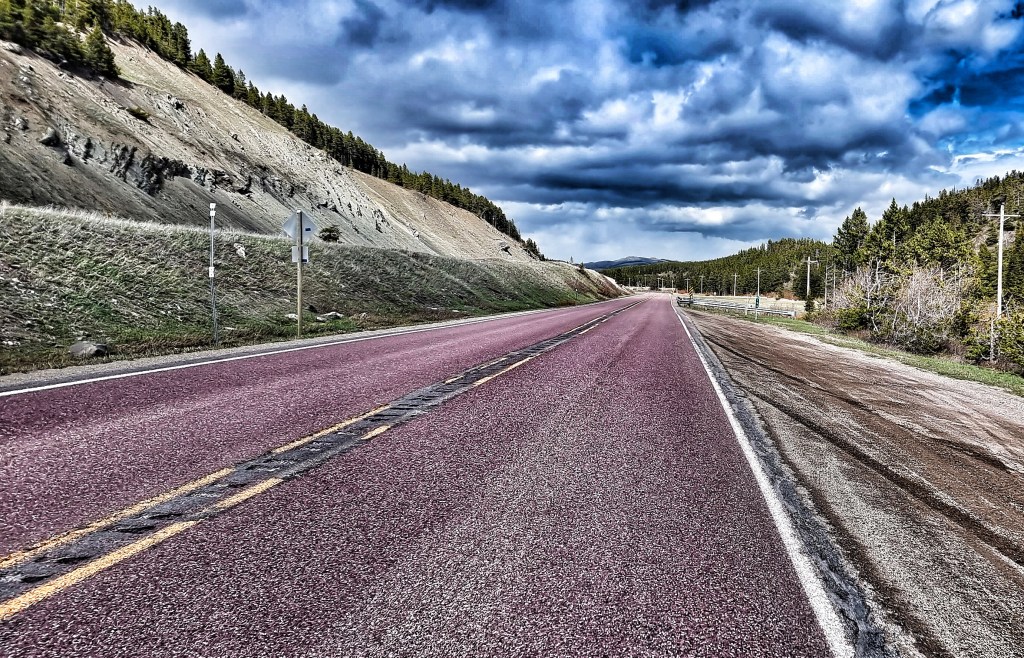
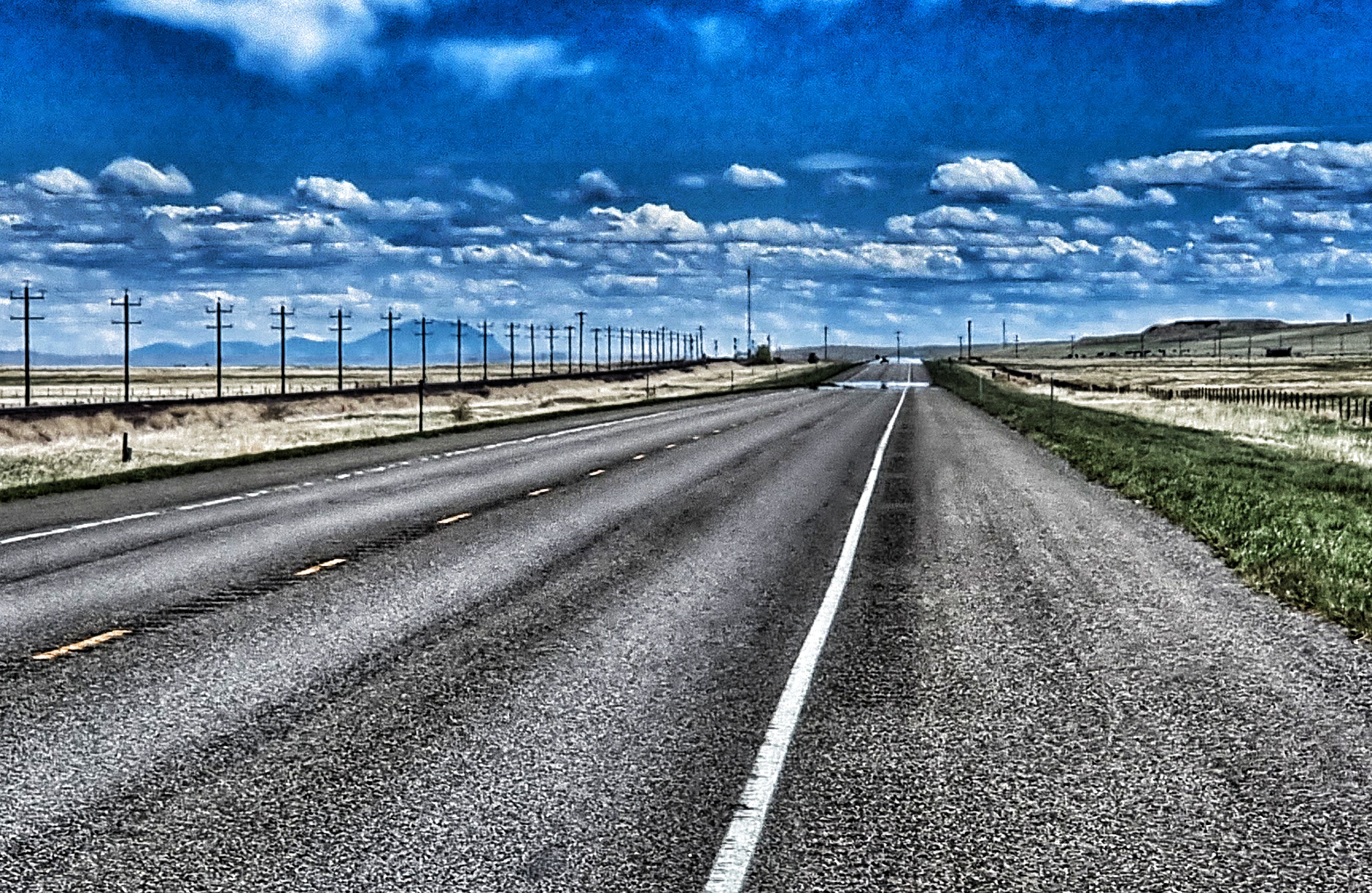
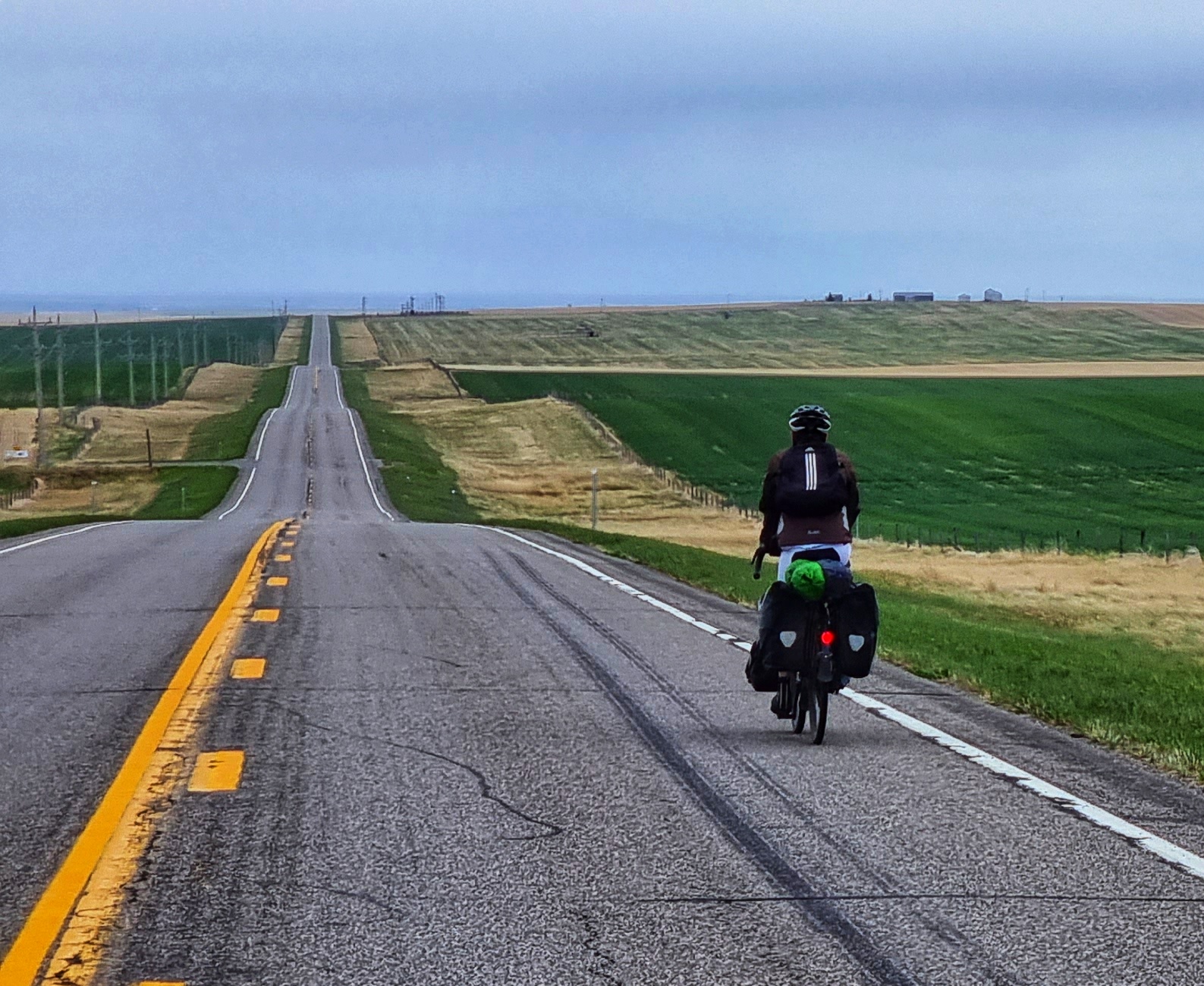
The first obvious difference cycling on the eastern side of The Rockies is that the roads are very long & very straight!! The second obvious difference is the lack of protection from the howling wind – while we have a tailwind that isn’t a problem!
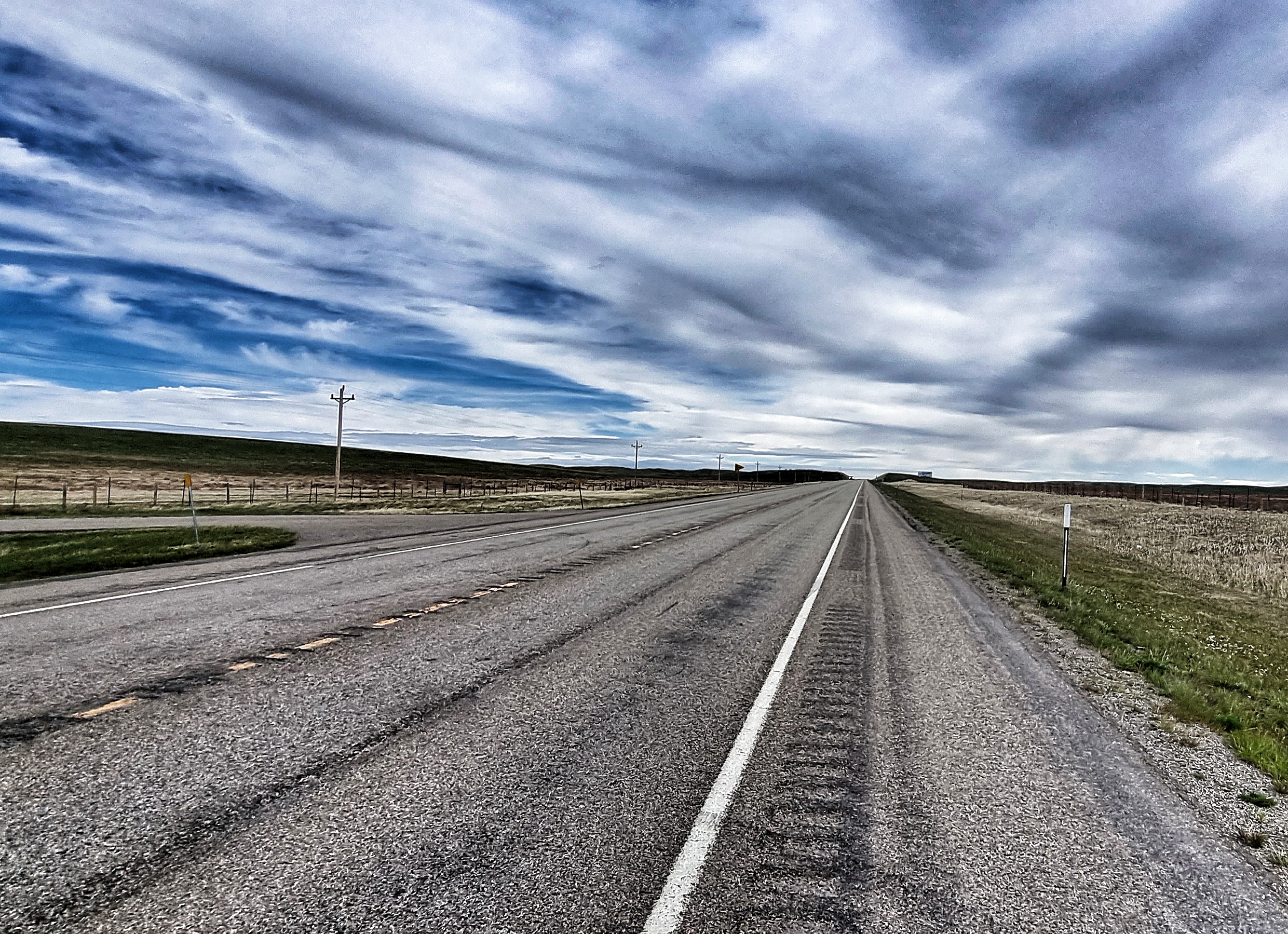
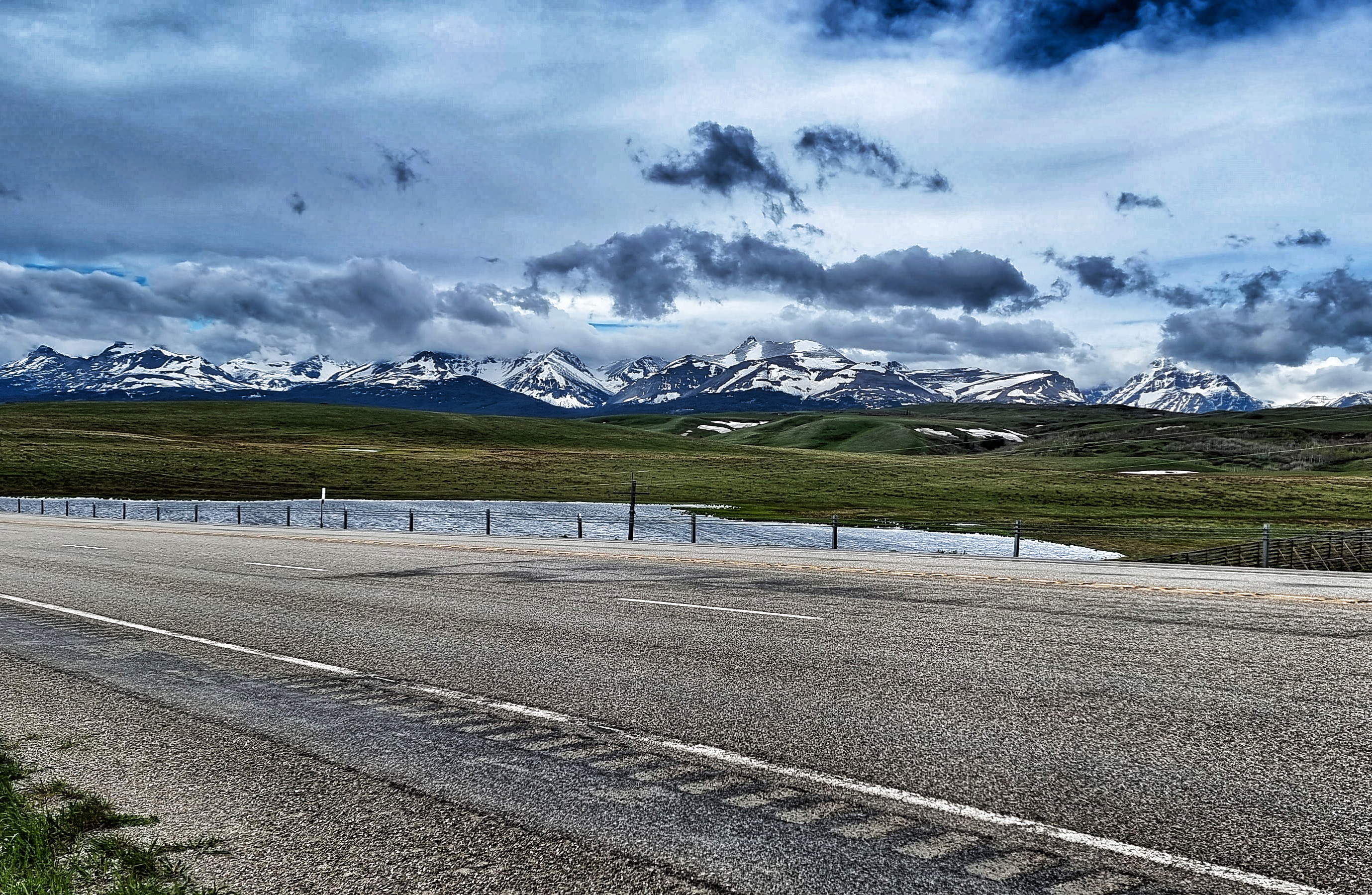
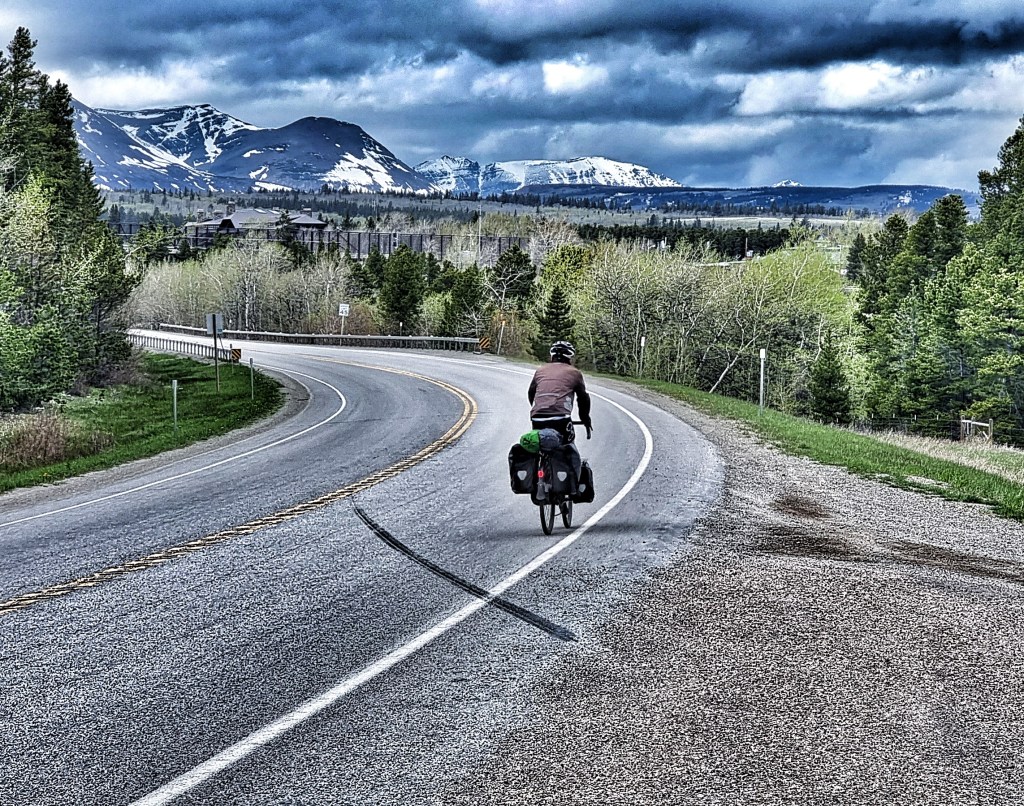
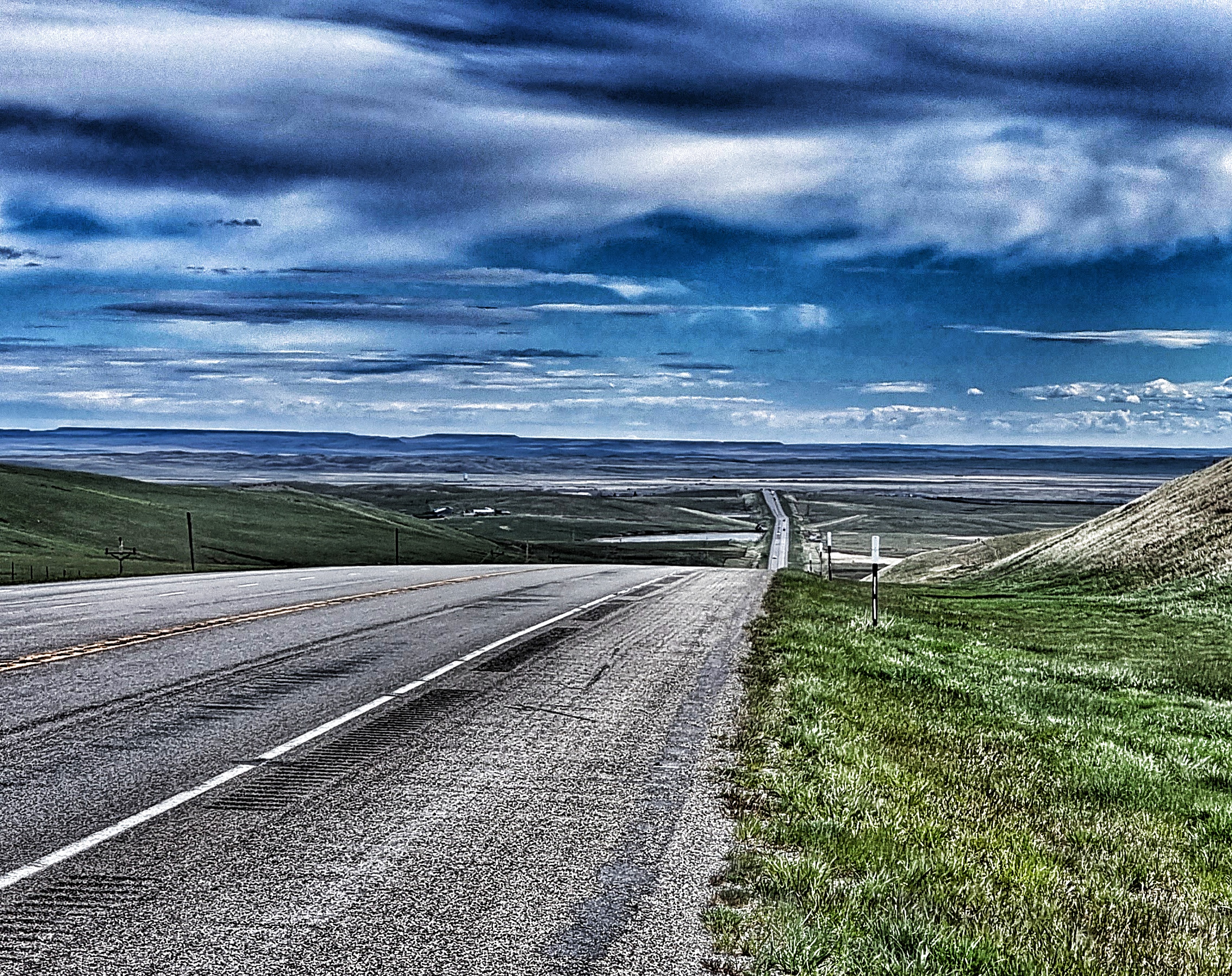
Having gradually climbed for the first 30 minutes or so, we found ourselves at the top of a very long, straight descent – after taking the photo, I let the bike start rolling down the hill & by the time we got to the bottom, the howling tailwind had got us up to 46mph as we heading into Browning. This is comfortably the fastest I’ve been on my touring bike, yet it felt really well balanced & safe.
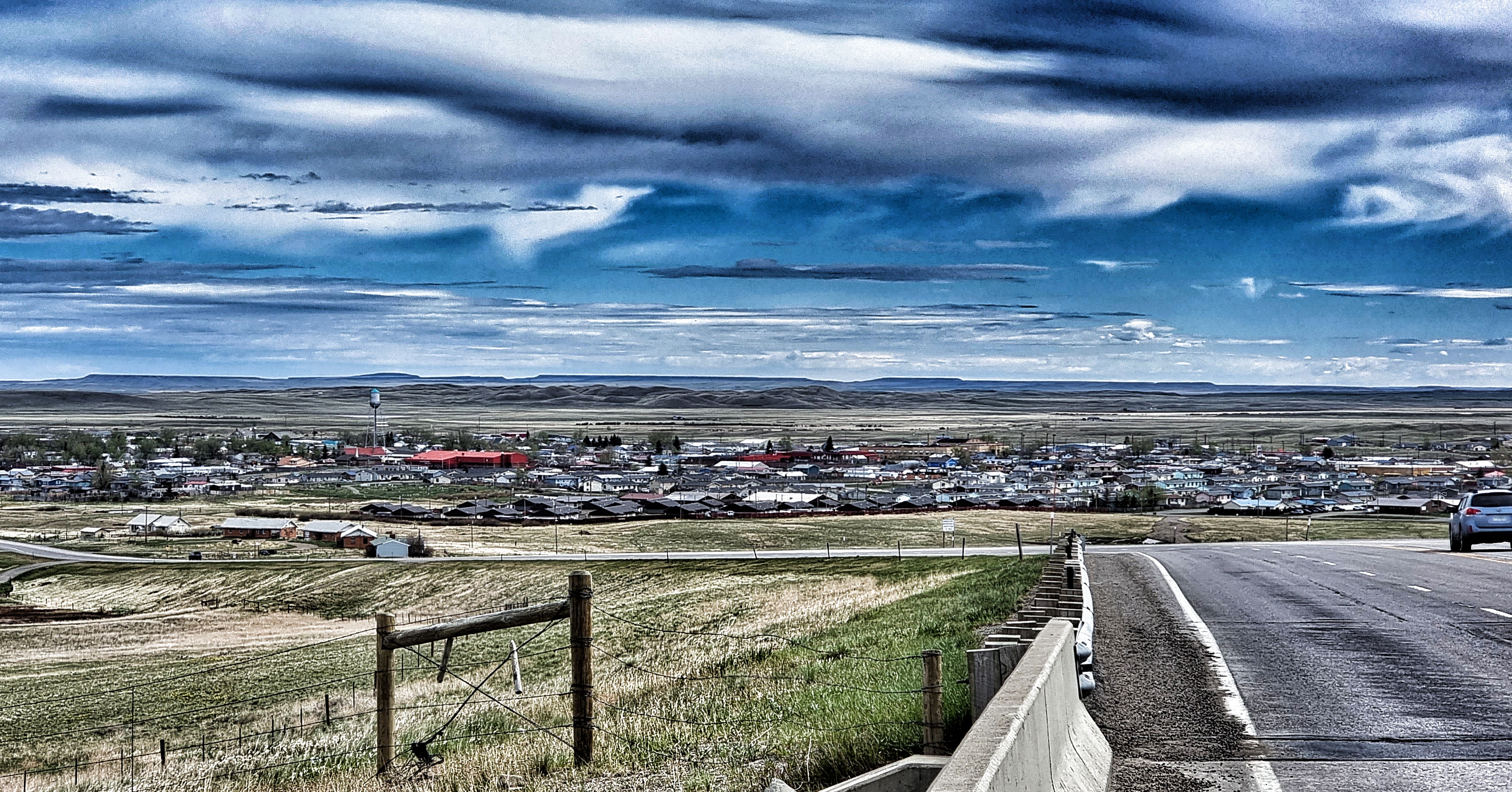
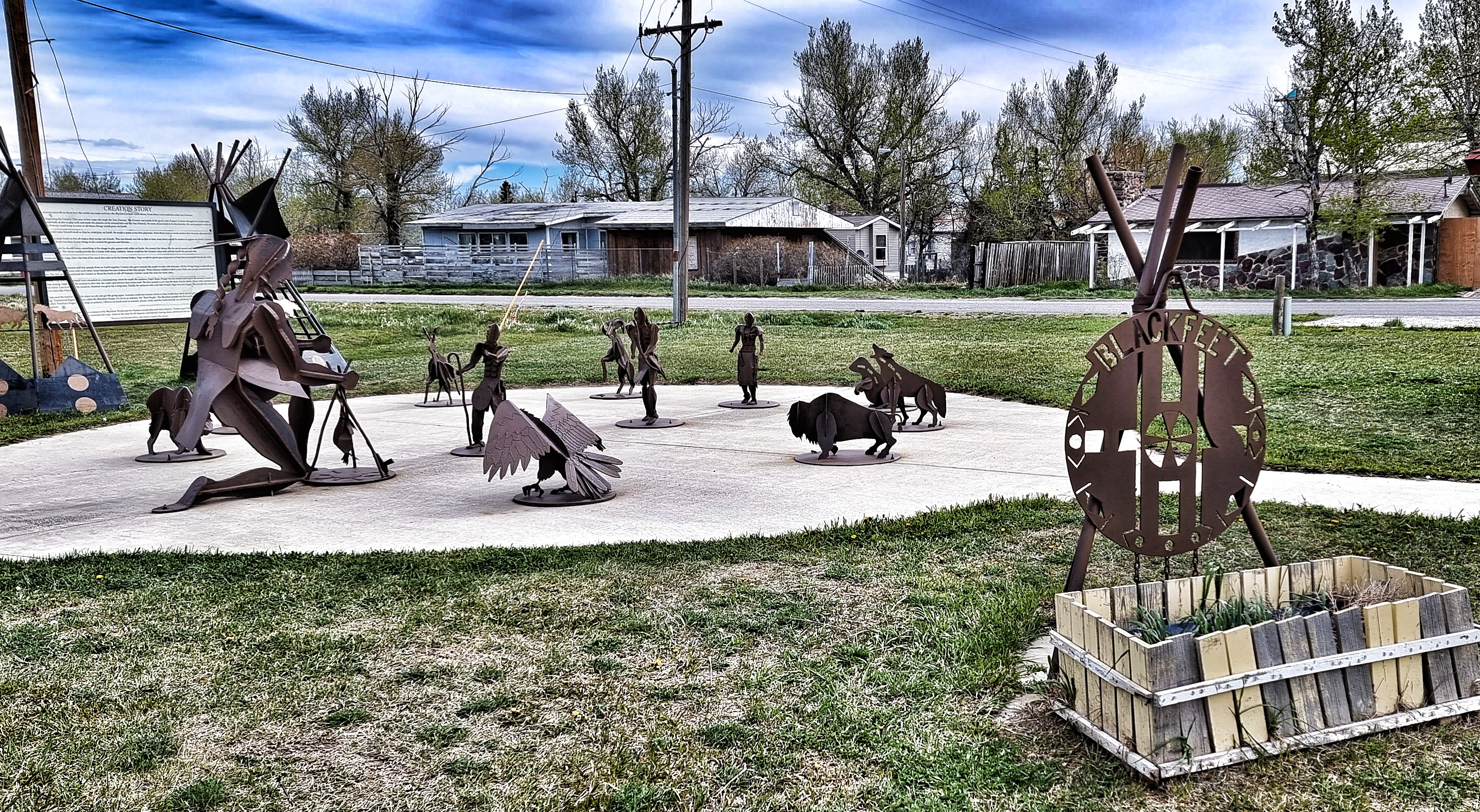
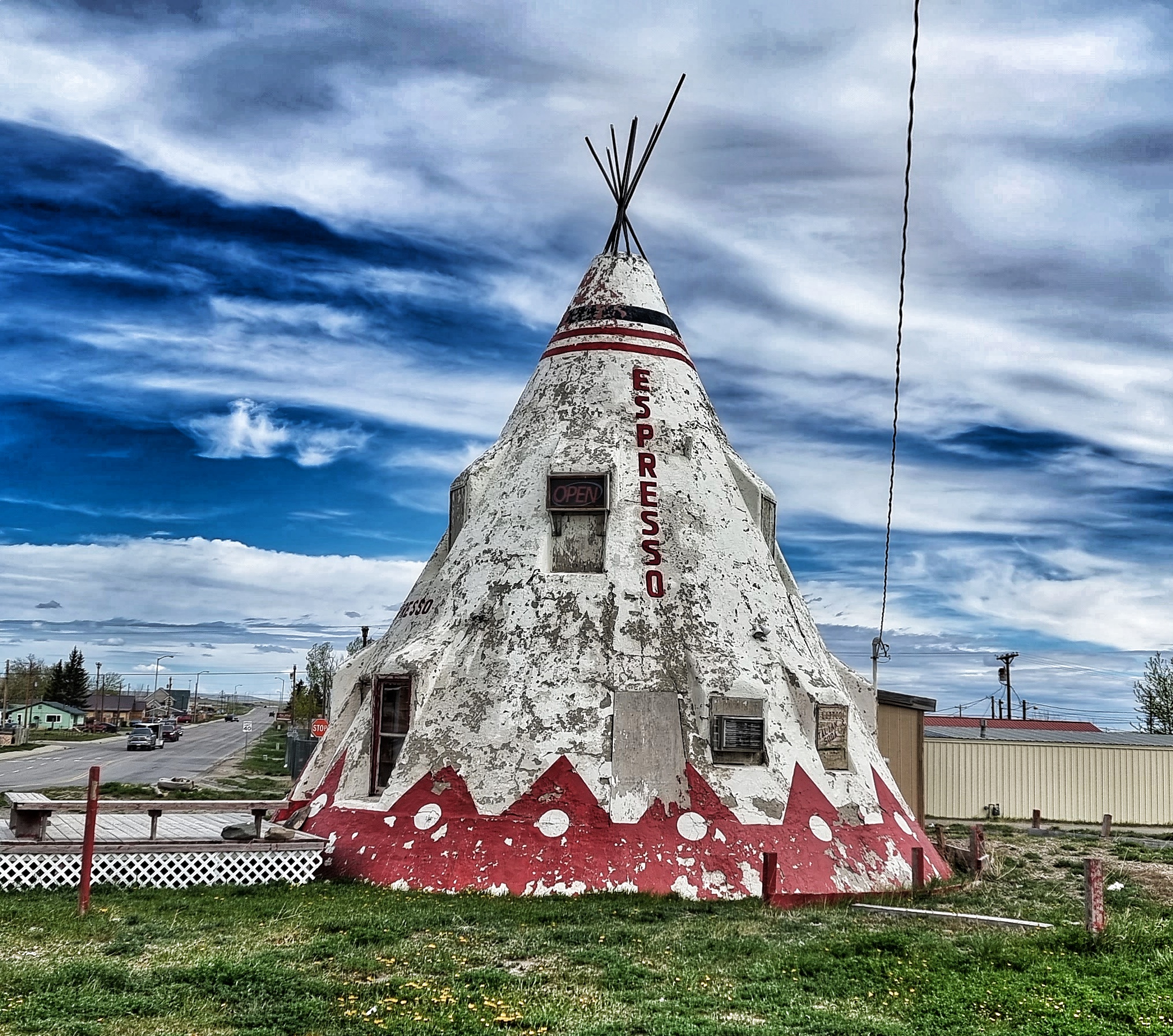
Browning is the headquarters for the Blackfeet Indian Reservation & is the only incorporated town on the Reservation. As we passed the Heritage Centre, I stopped to spend some time reading about the history of the Blackfeet & also to take in the wonderful exhibit which set out The Myth Of Creation. It’s a small town with about 880 inhabitants & it was clear that a number of businesses have struggled over the last couple of years – sadly this cool espresso teepee was one of those that had closed.
Crossing town our tailwind turned to a brutal, gusting sidewind that slowed us down temporarily, until 2 feral dogs started chasing us! We’d been warned about dog behaviour in Browning by several different people at varying points over the last few weeks, so we realised we had to pedal & get away from them as quickly as possible.

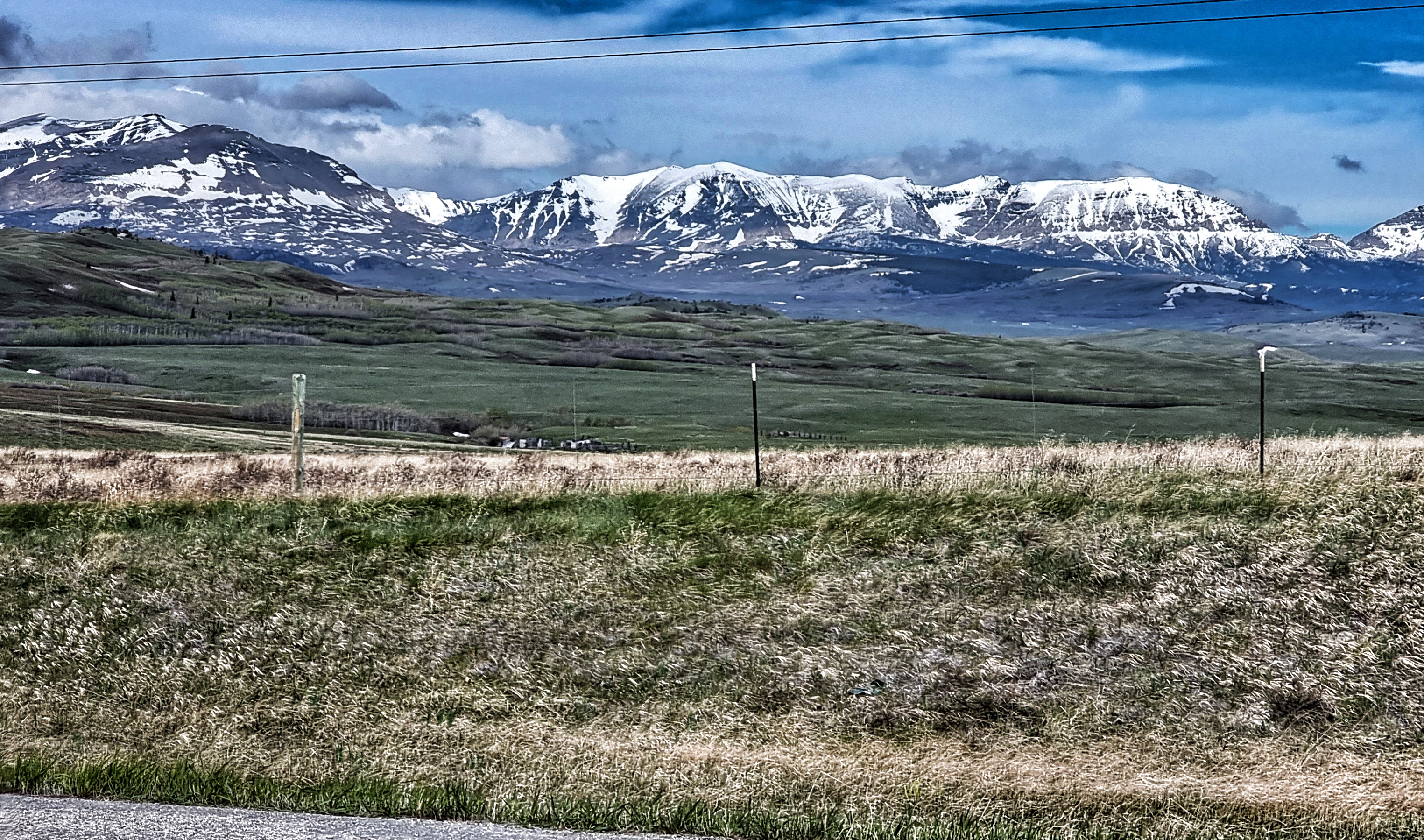
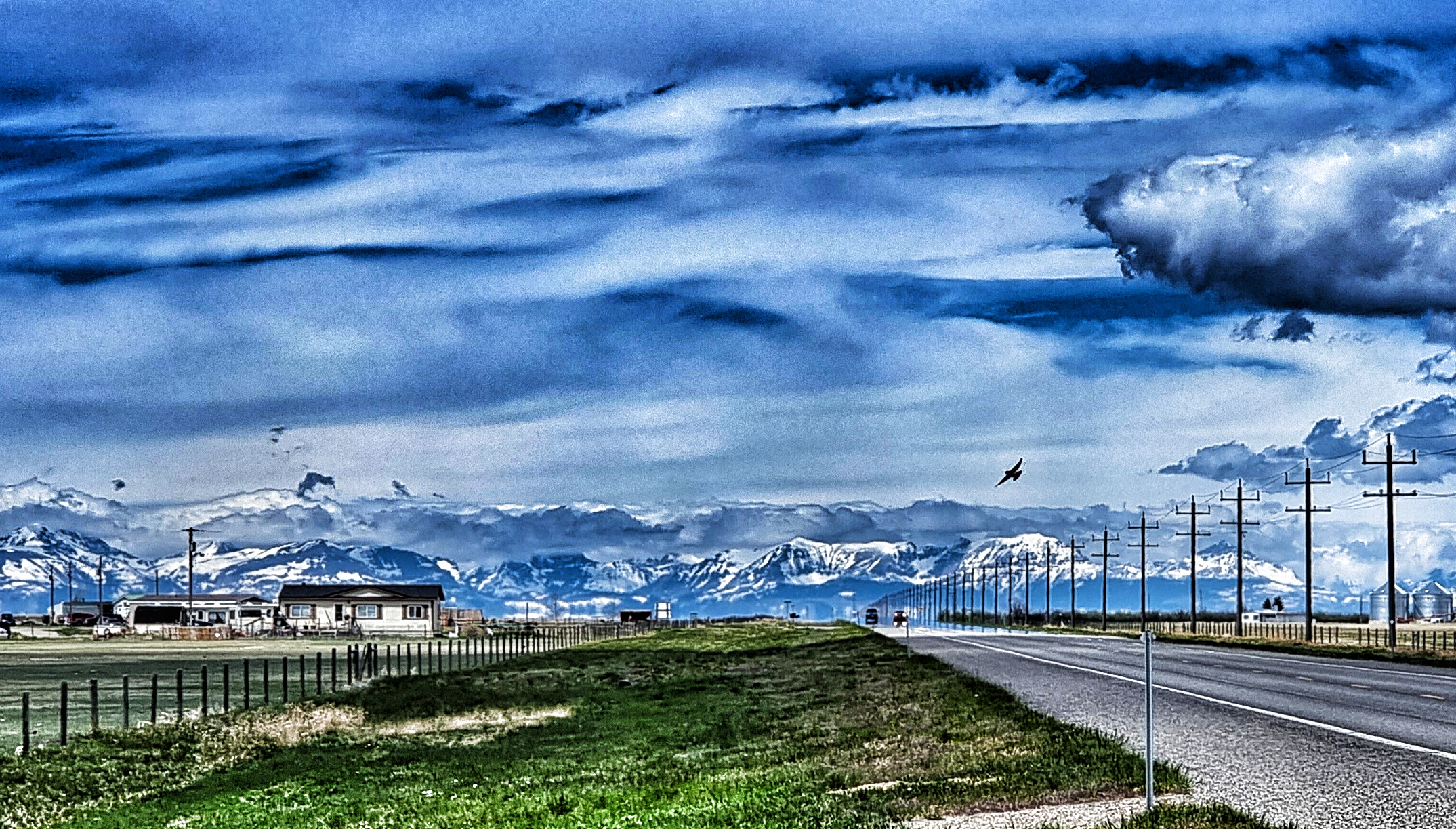
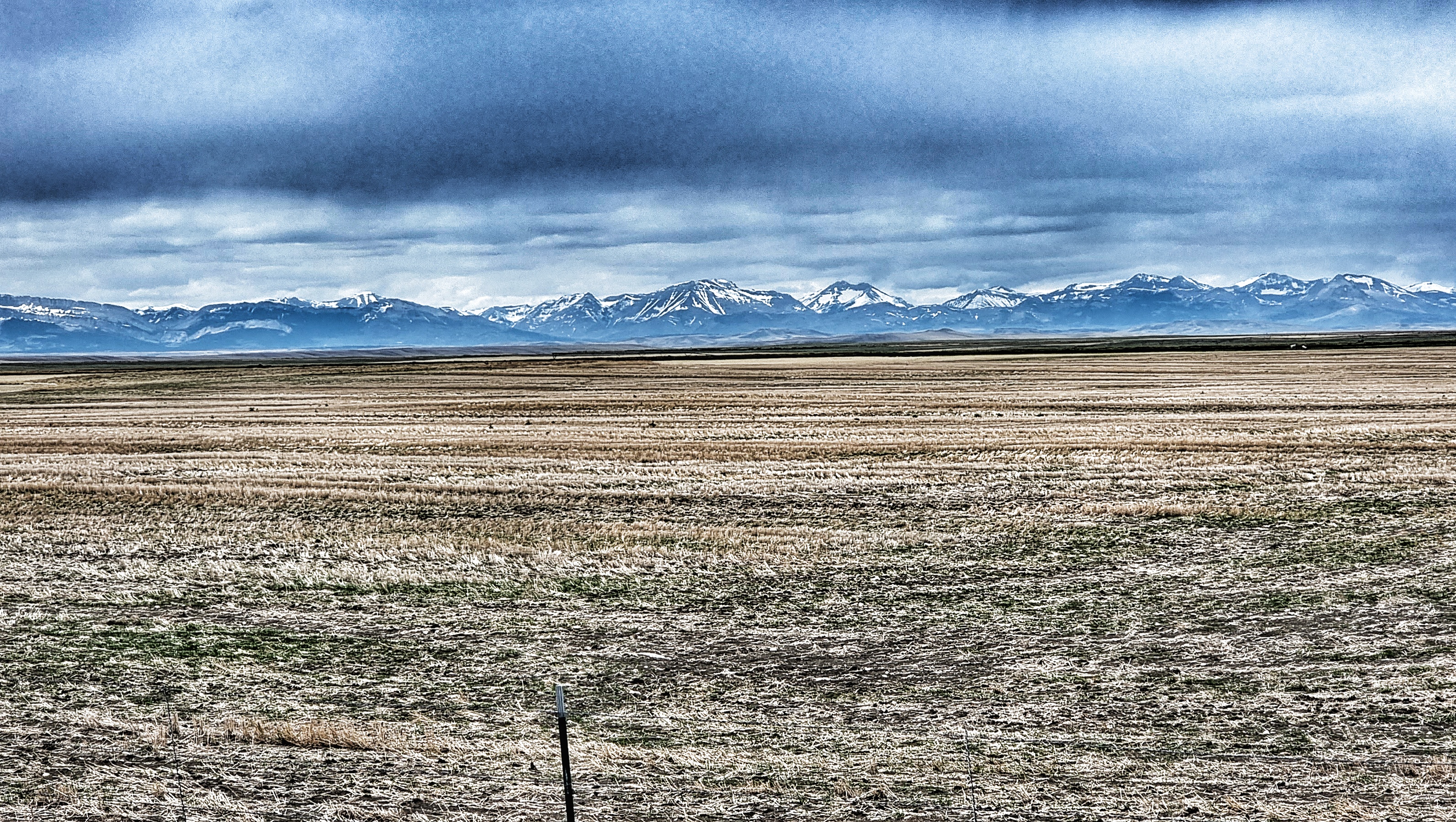
Leaving Browning behind, the road turned slightly to the left & our friendly tailwind returned as we flew along the pan-flat, almost deserted road at upwards of 20mph – it wasn’t quite a full-blown tailwind but was very enjoyable!! I stopped occasionally to take a look behind at the snowy peaks as they slowly receded, although I feel I may continue to see them for a little while yet.
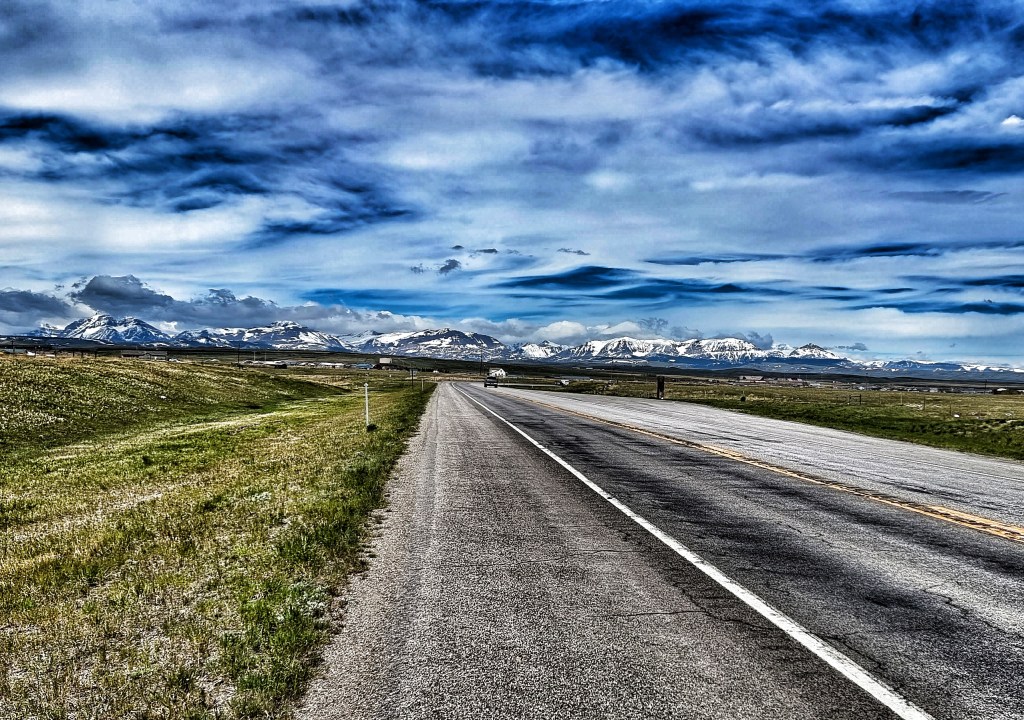
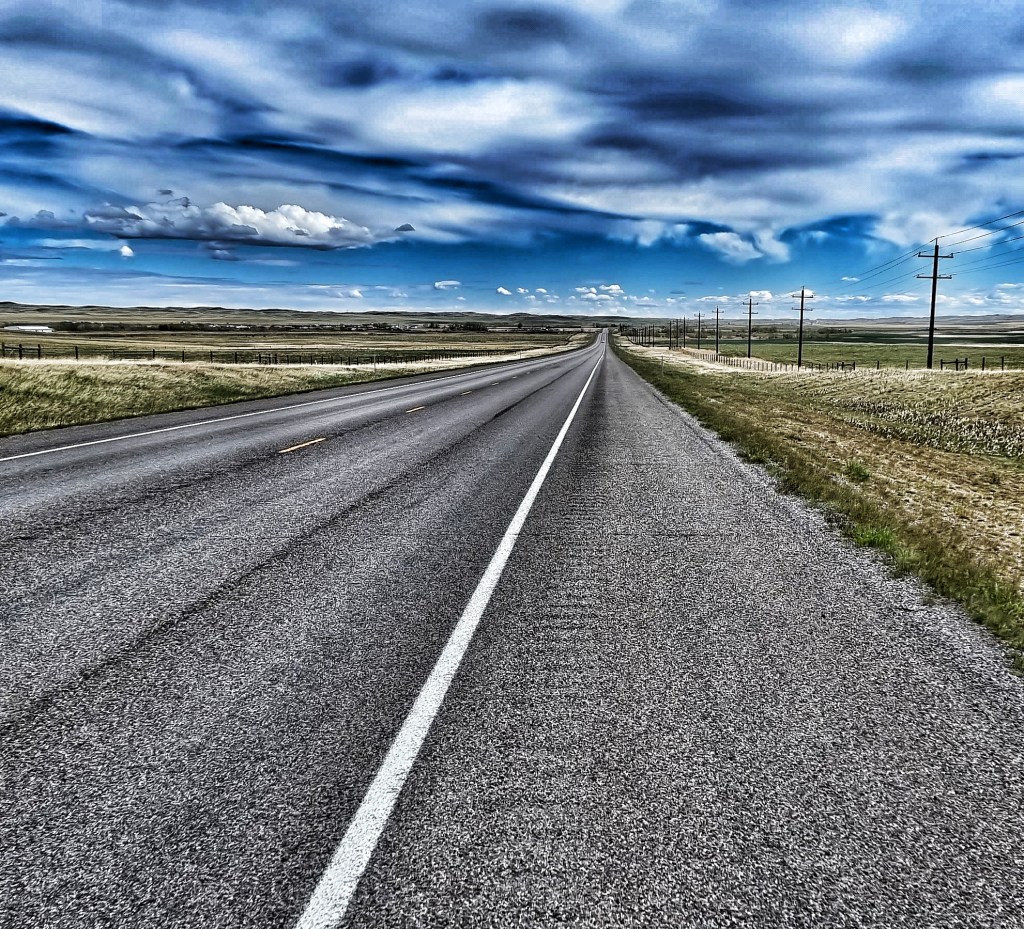
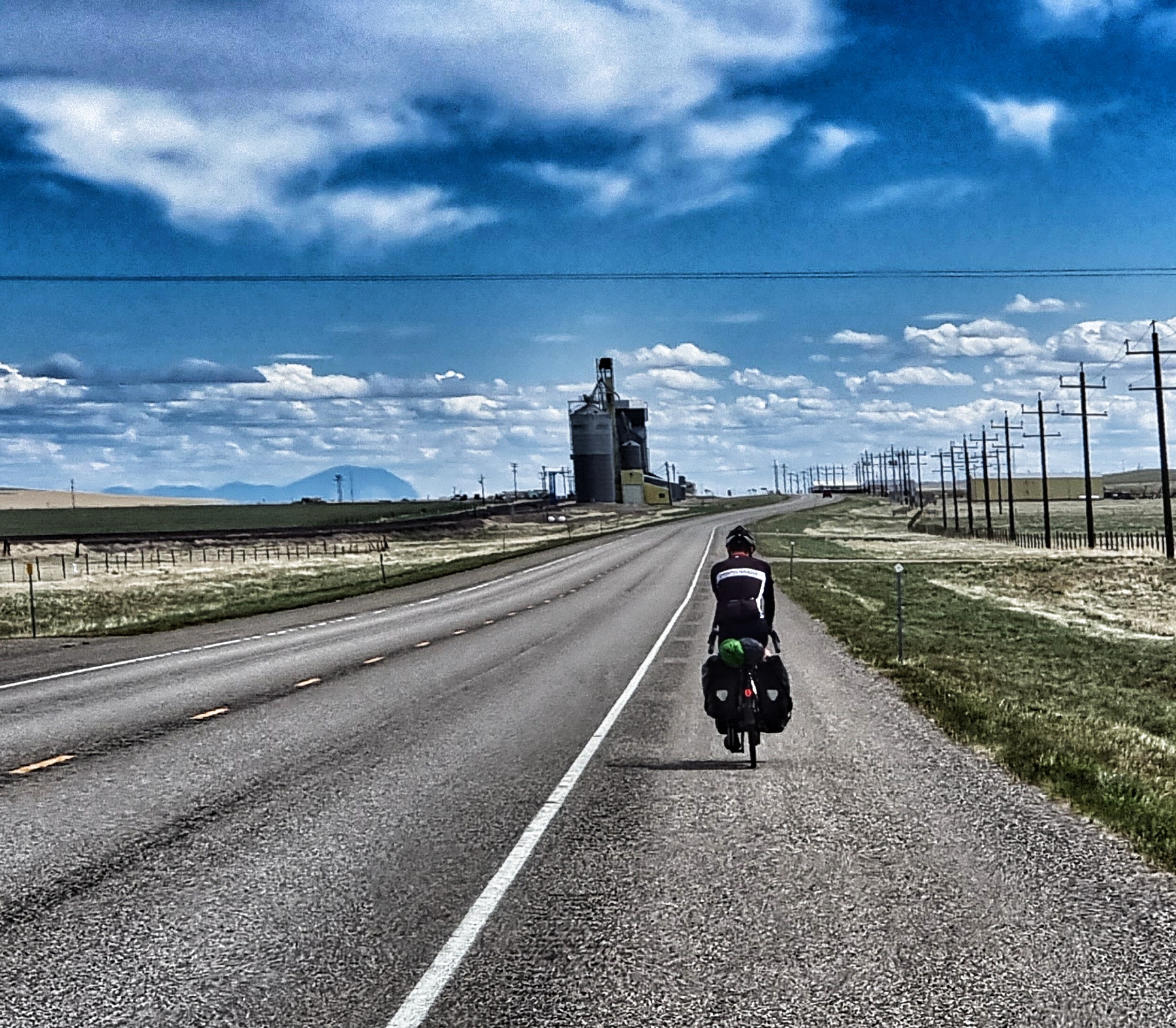
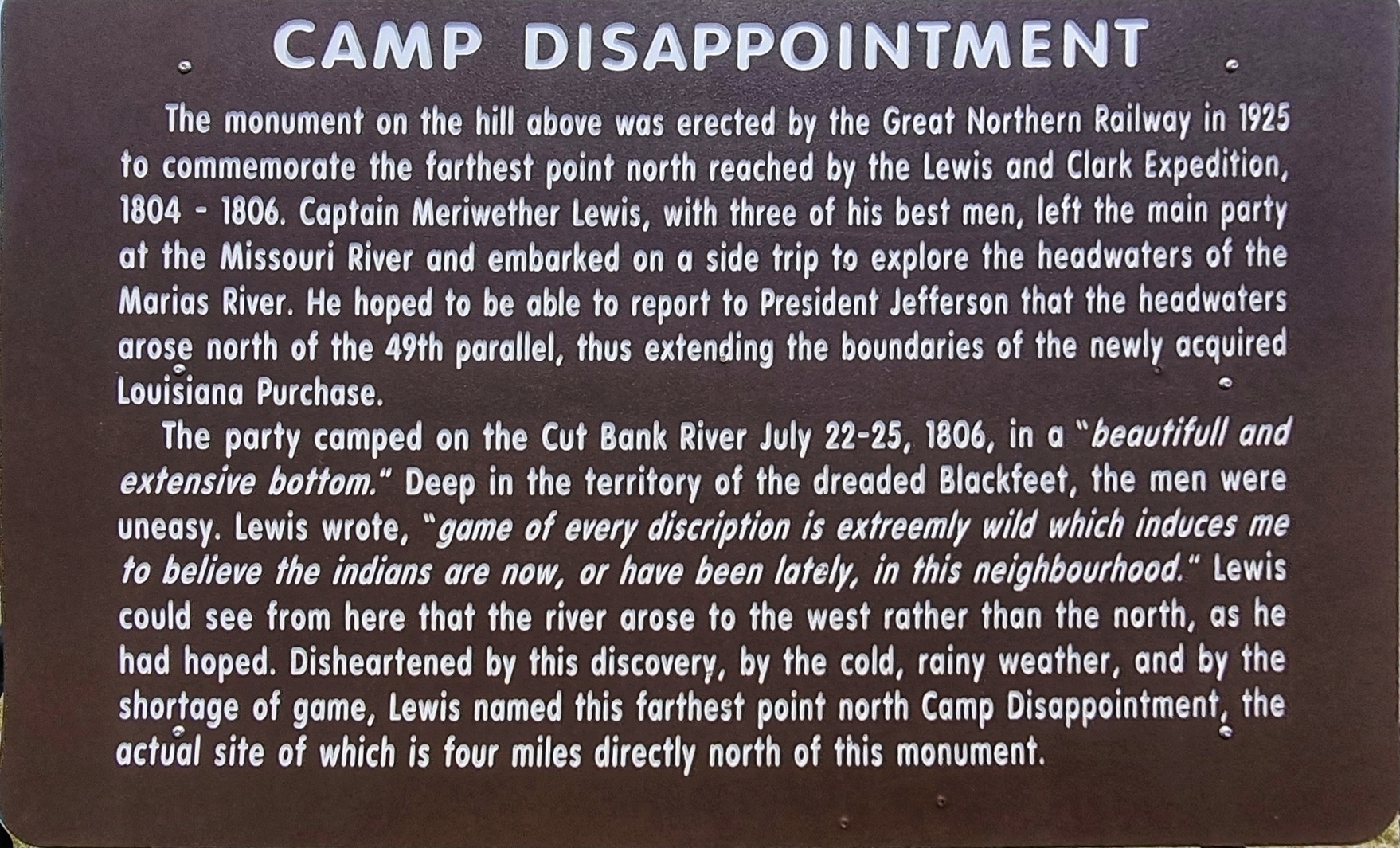
We stopped briefly at a Historical Point of Interest – these are indicated by brown signs & we’ve learned to look out for them, as they add a flavour of what life was like 125 to 200 years ago. Today we found out about Captain Meriwether Lewis & his experiences that led to the naming of Camp Disappointment. This was also the moment when the road altered direction enough to give us a full-on tailwind! We also had our first experience of the huge grain elevation silos that border the railroad tracks in this part of Montana.
For the first time on our adventure the temperatures were high enough to see heat haze in the distance. Passing a field of cows on the right, the road rose gently for the first time in about 15 miles – the legs were slightly surprised when they were asked to put in some proper effort, so I stopped at the summit for one final look behind me. The cotton wool clouds overhead reminded me why Montana is known as The Big Sky State, as even the most normal view seemed so much bigger.
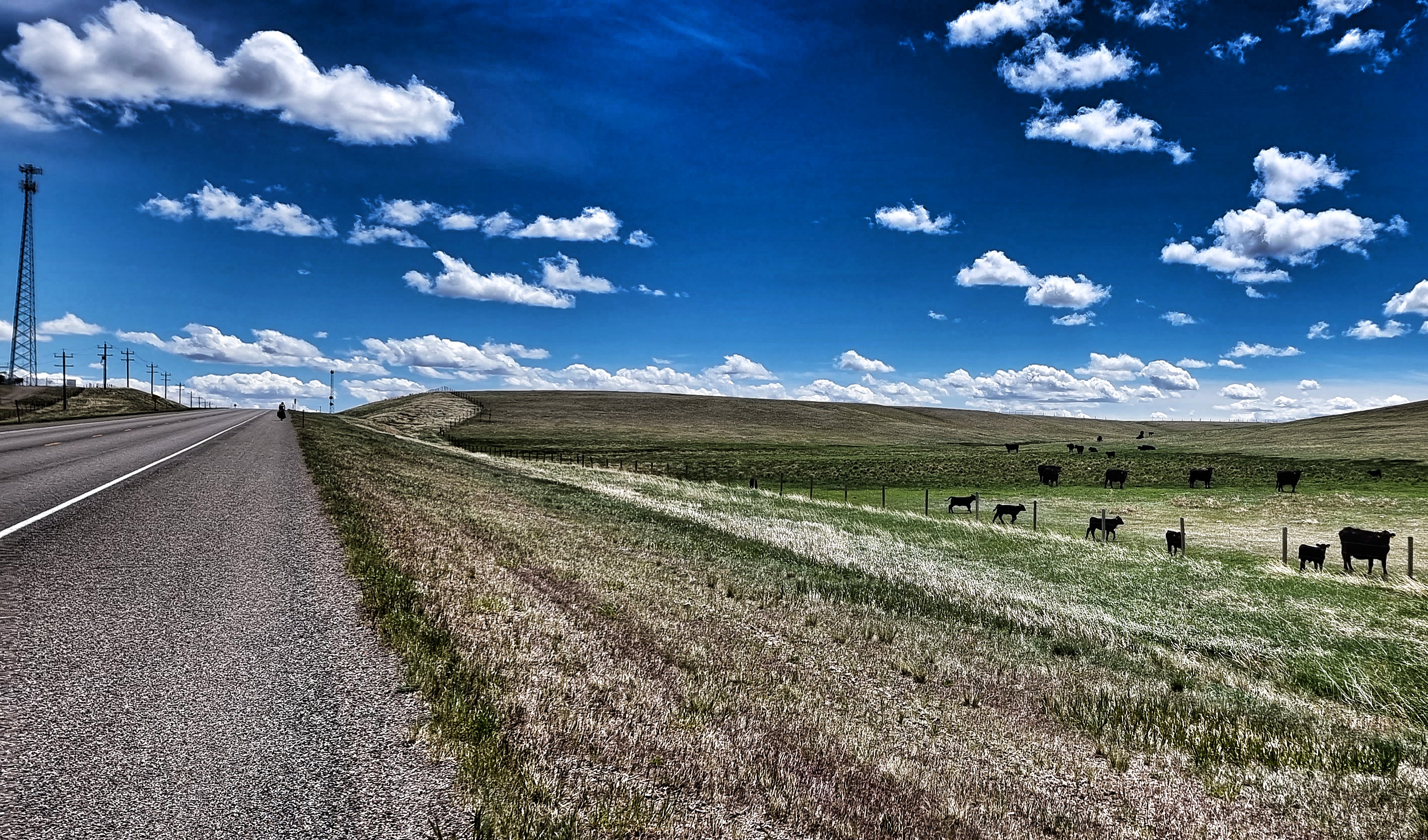
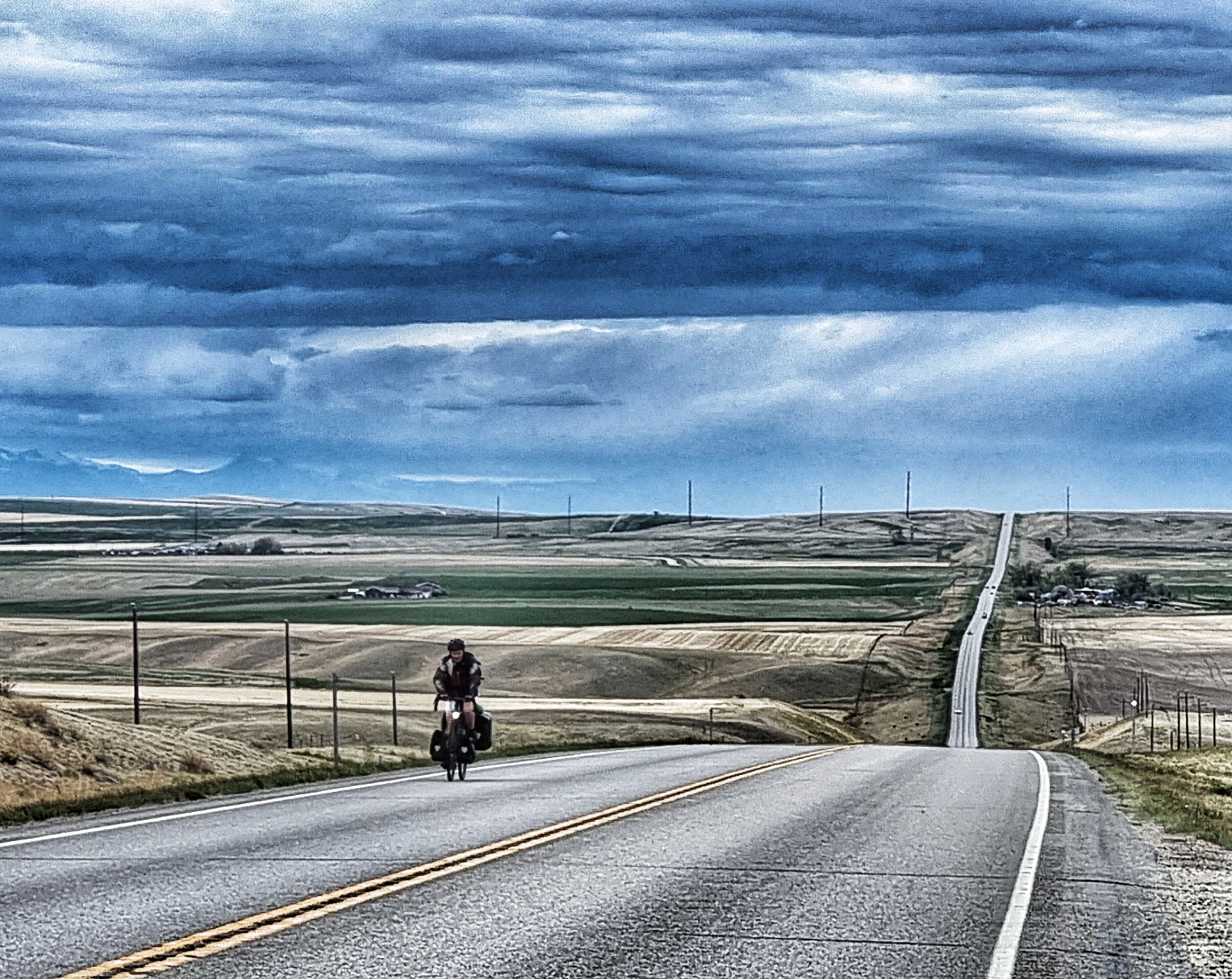
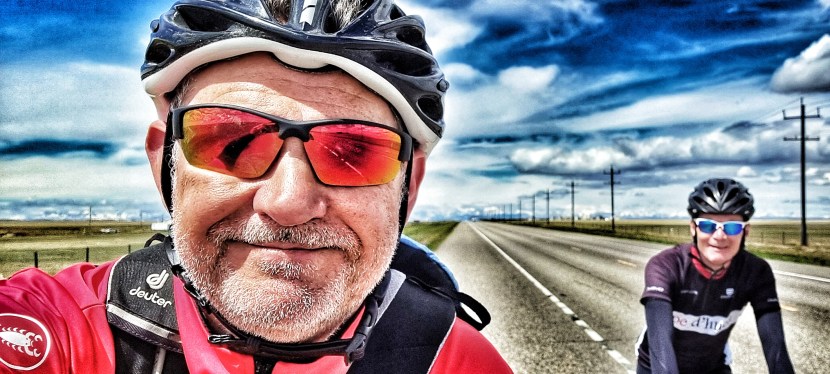
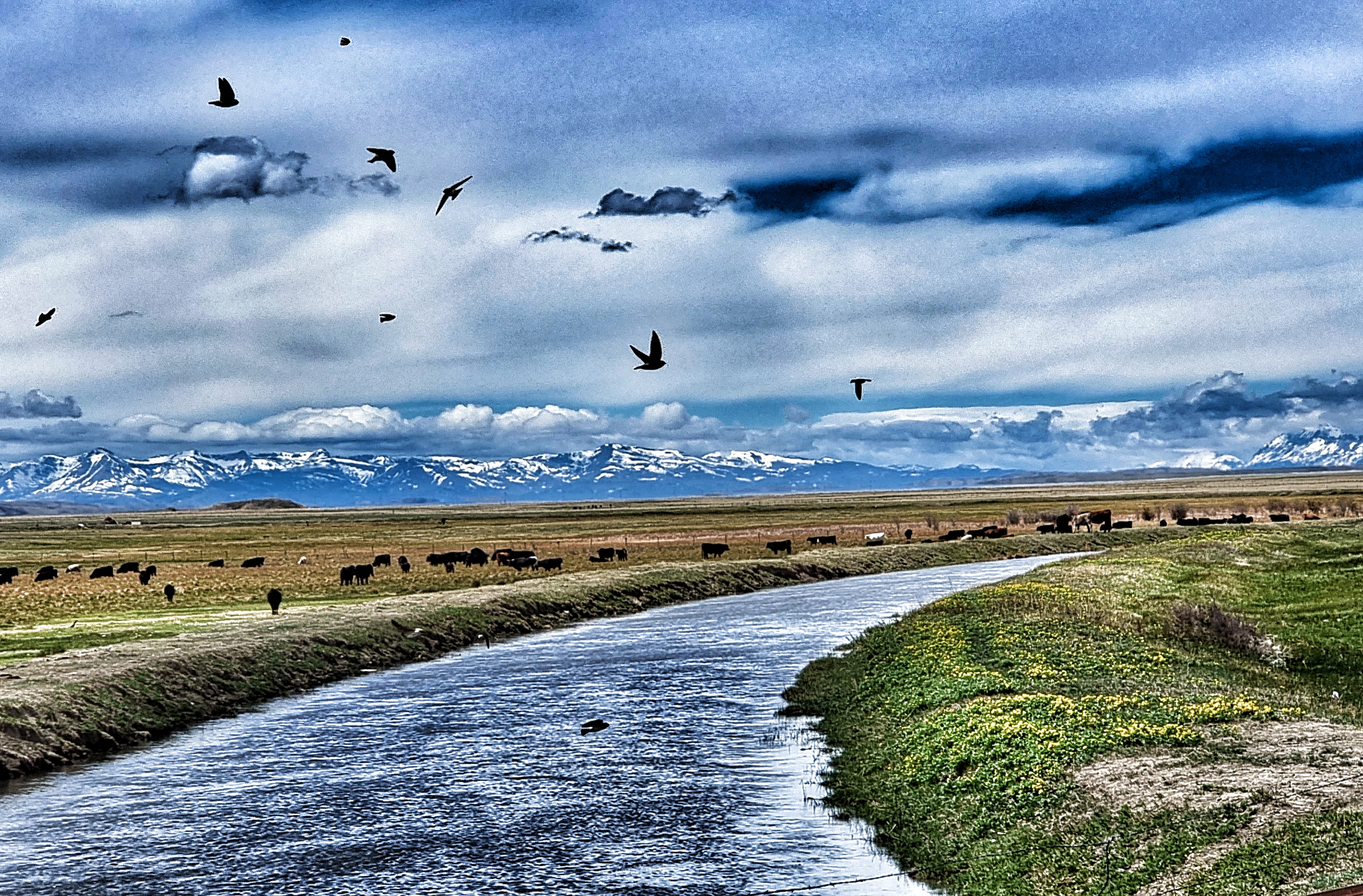
Once the road flattened out again, we were cruising along at almost 25 mph – the photo shows how happy we were & how easy the riding was! As we passed an irrigation channel by the side of the road, there were hundreds of birds swooping & diving on the insects in a feeding frenzy.

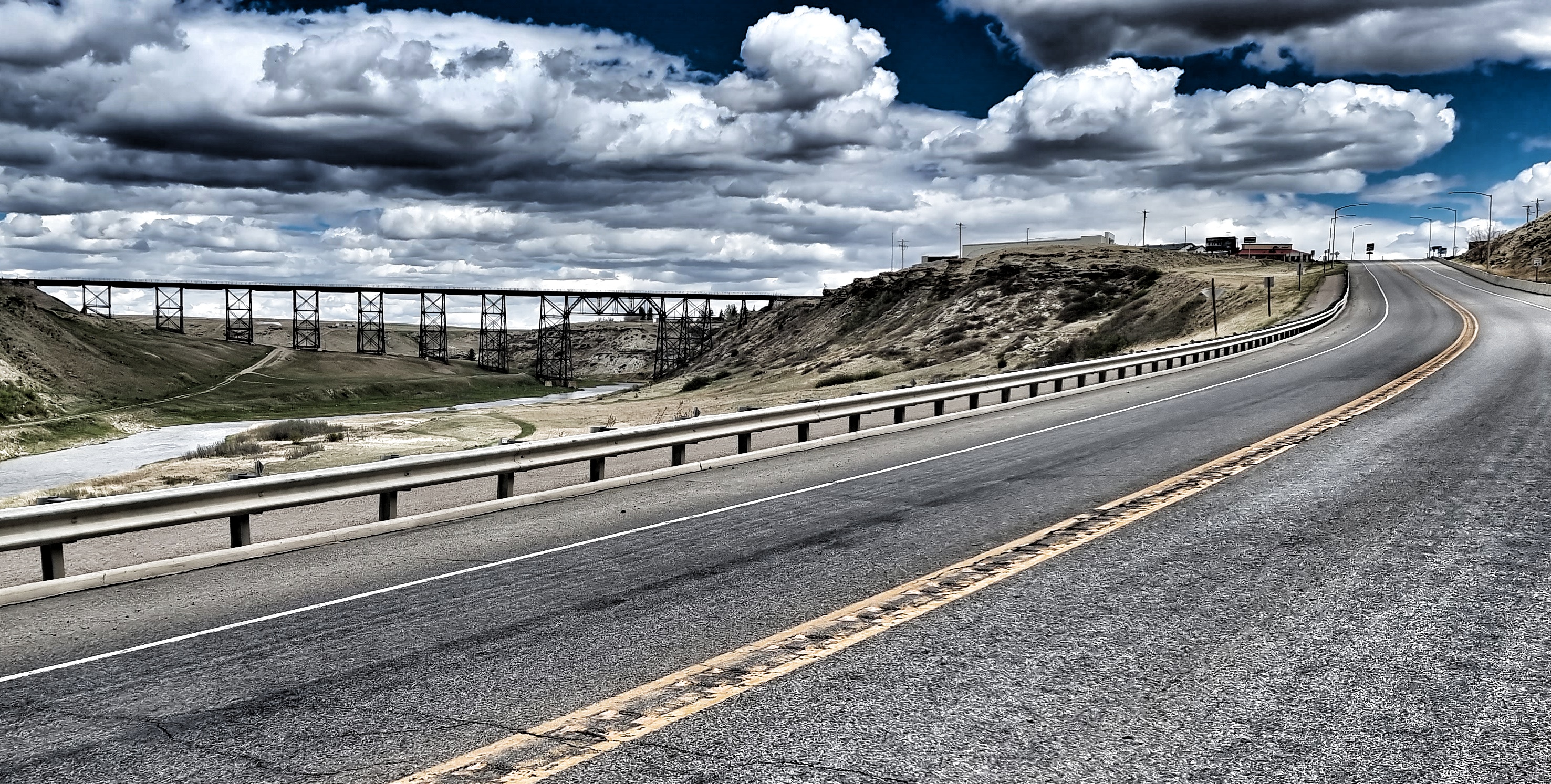
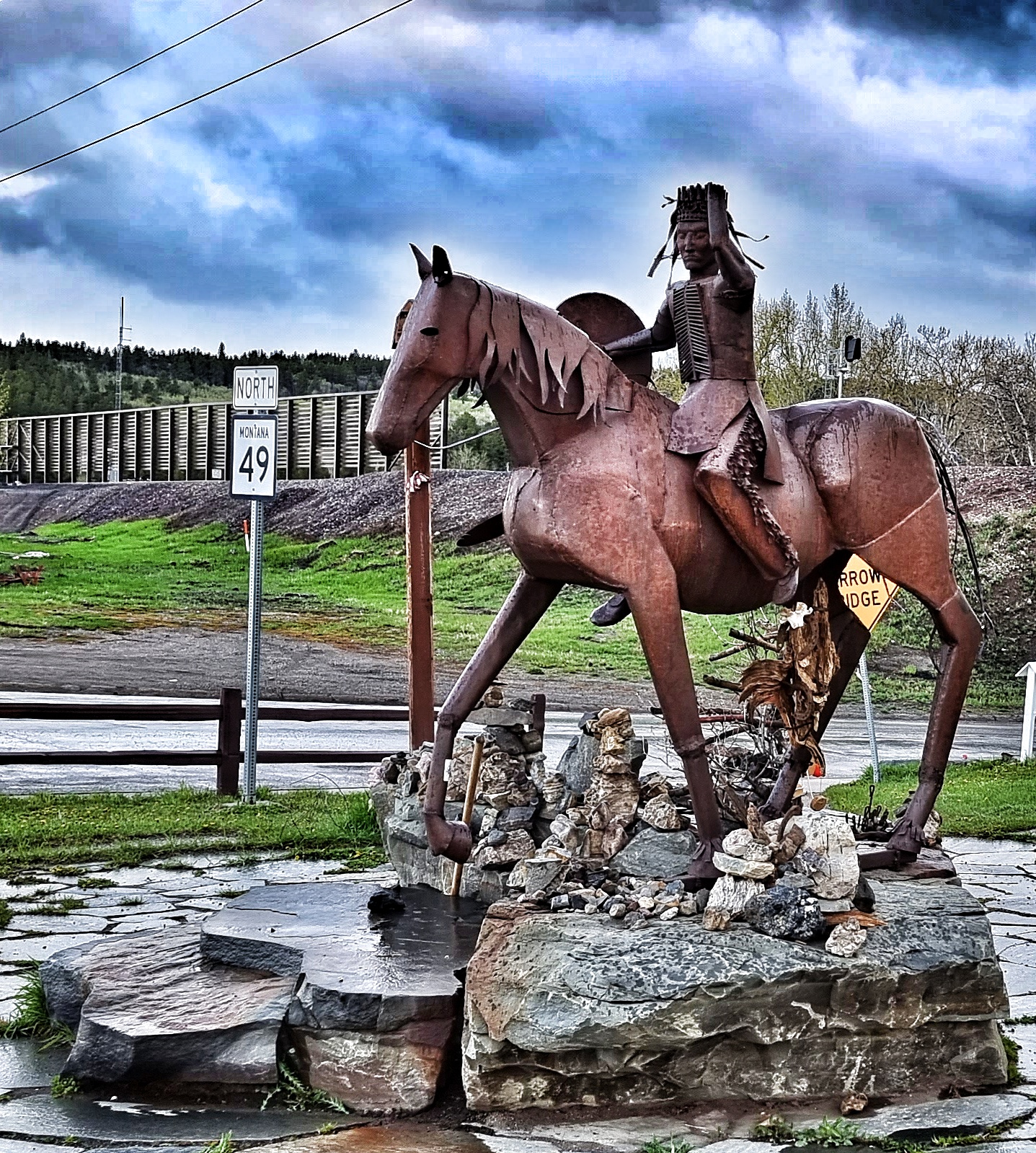
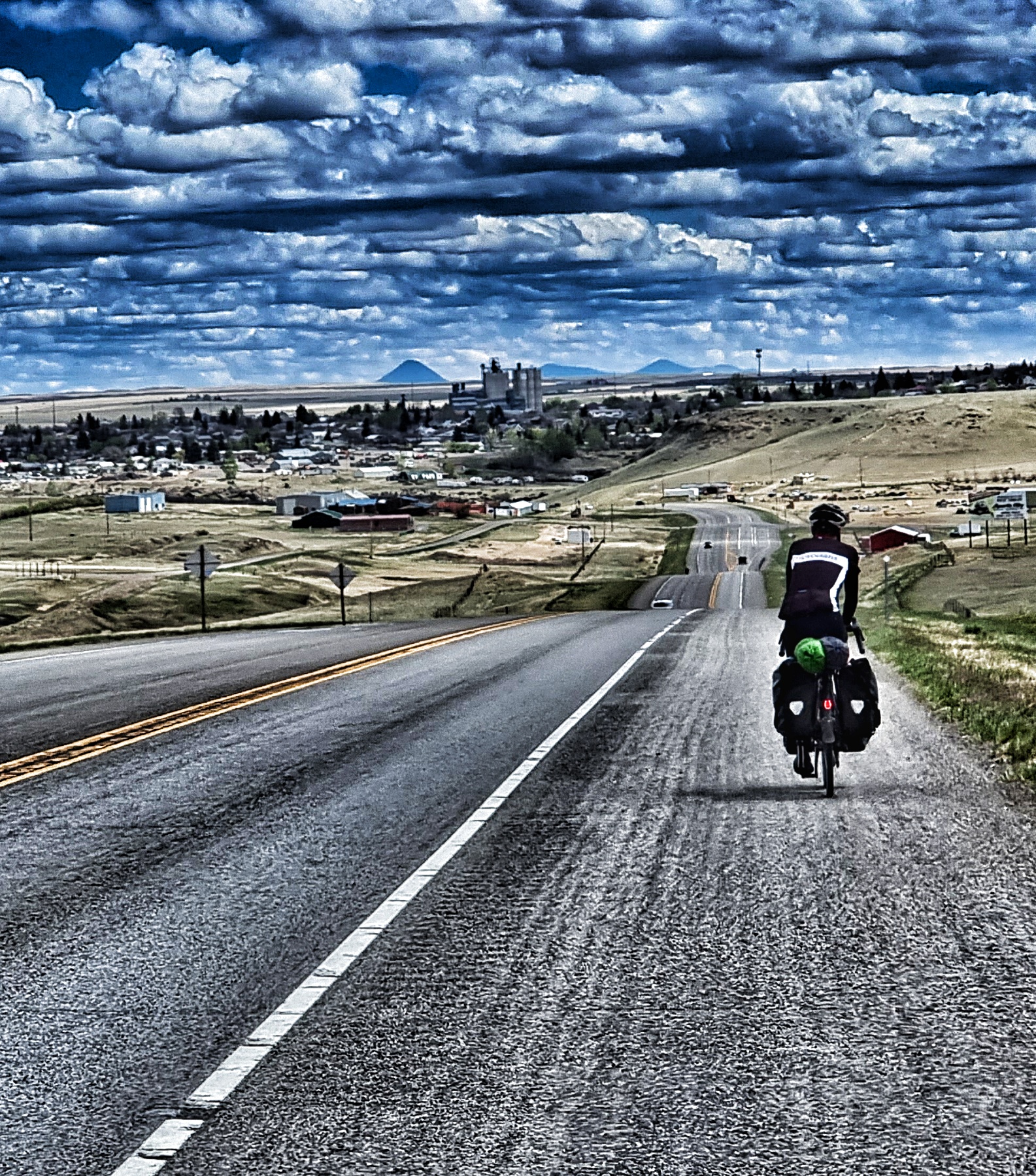
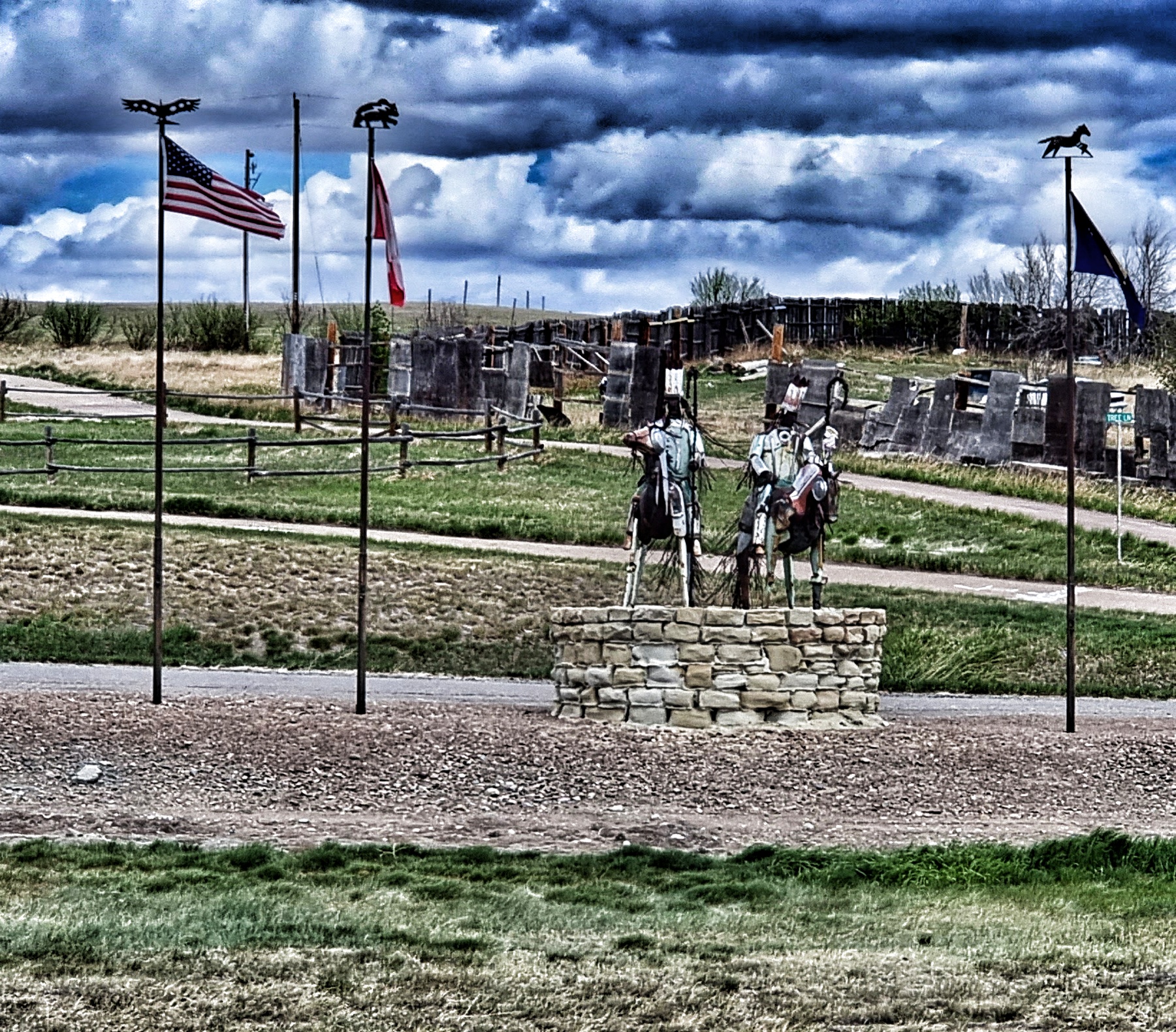
In just 2 hours 30 minutes we were on the outskirts of town, having covered 46 miles, at an average of over 18 mph – I’ve never achieved this on my carbon bike, so just shows the power of the tailwind! There was a stunning Blackfeet Nation Sculpture which welcomed us to Cut Bank, before we climbed a final, small incline to join up with the railroad once again.
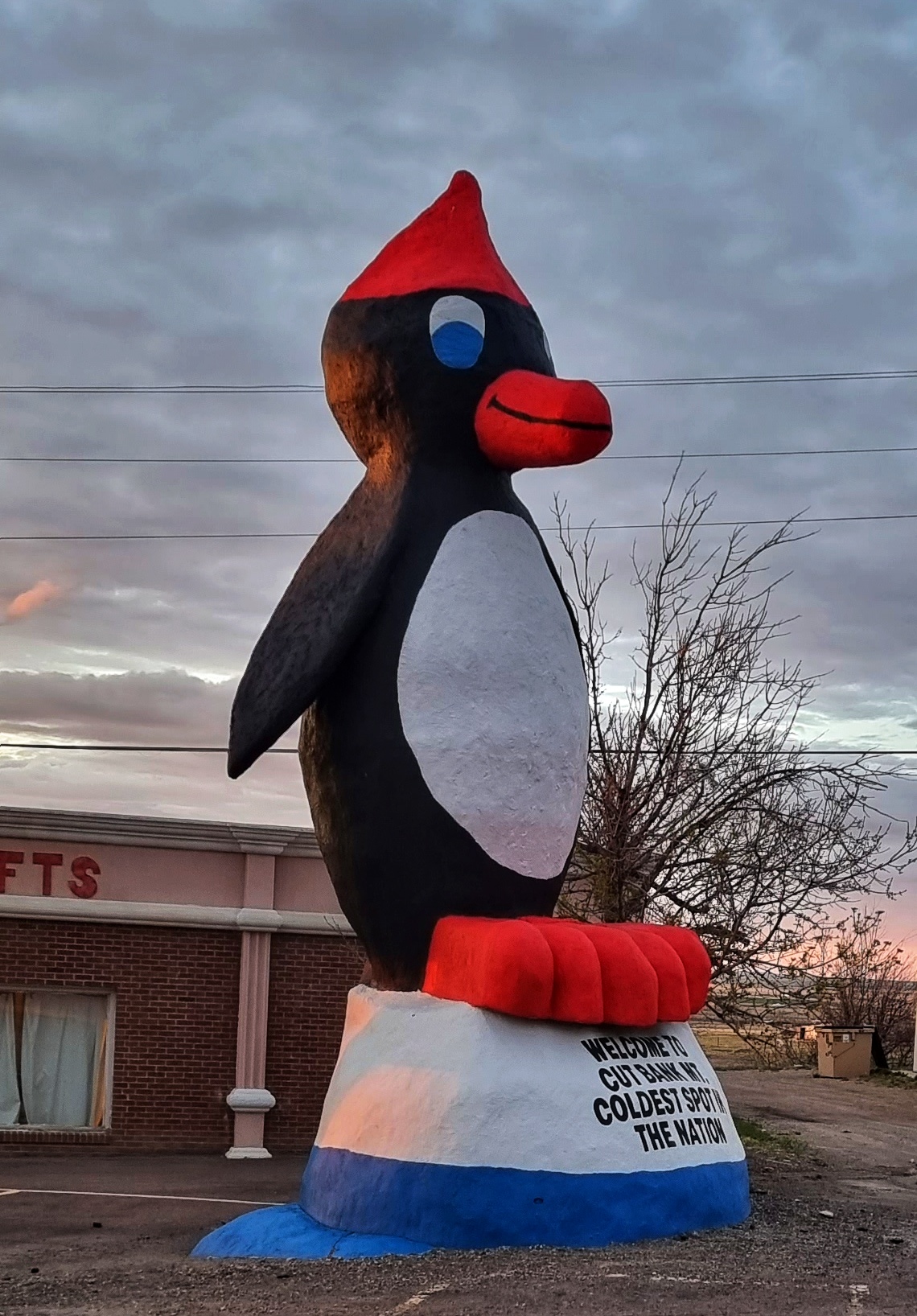
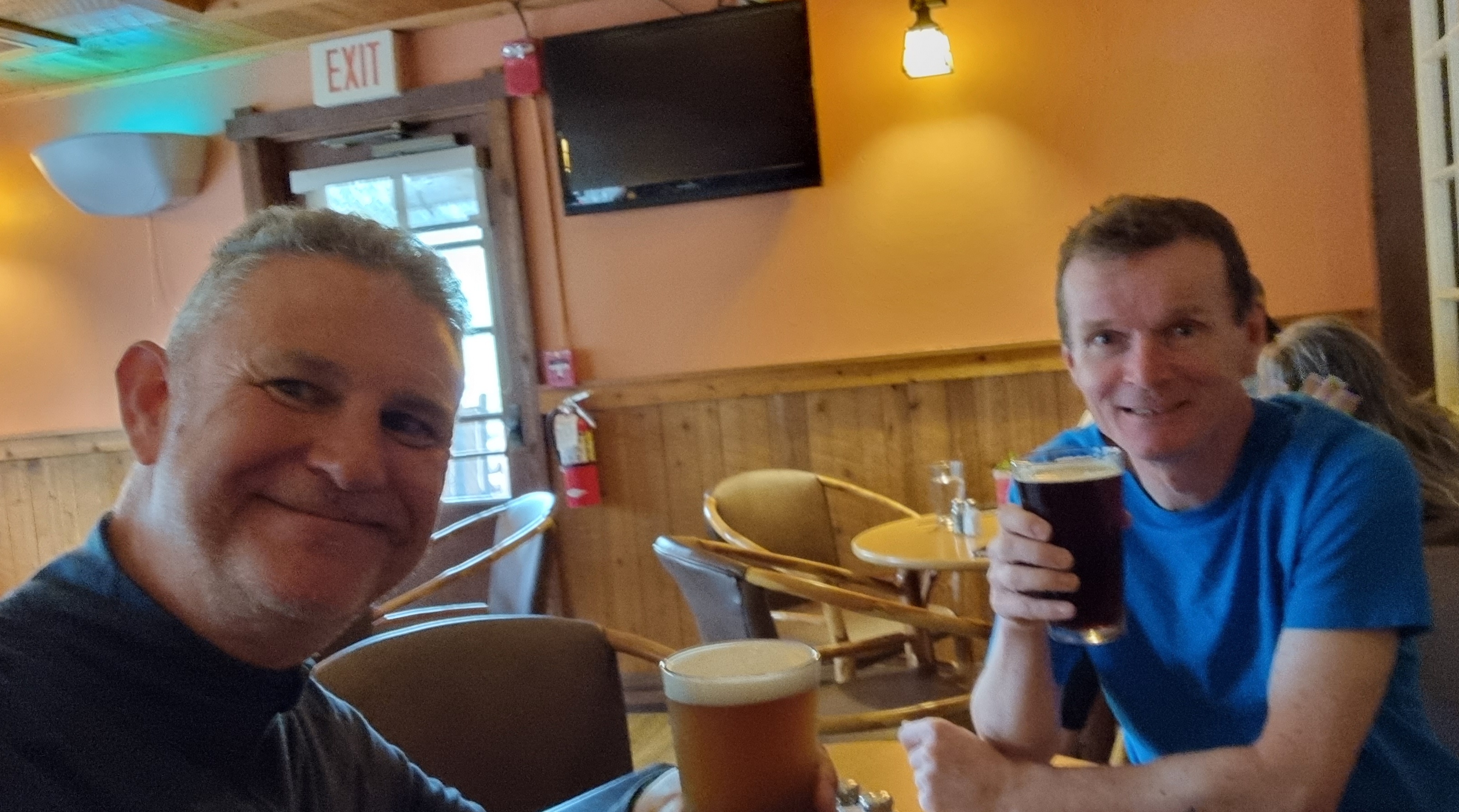
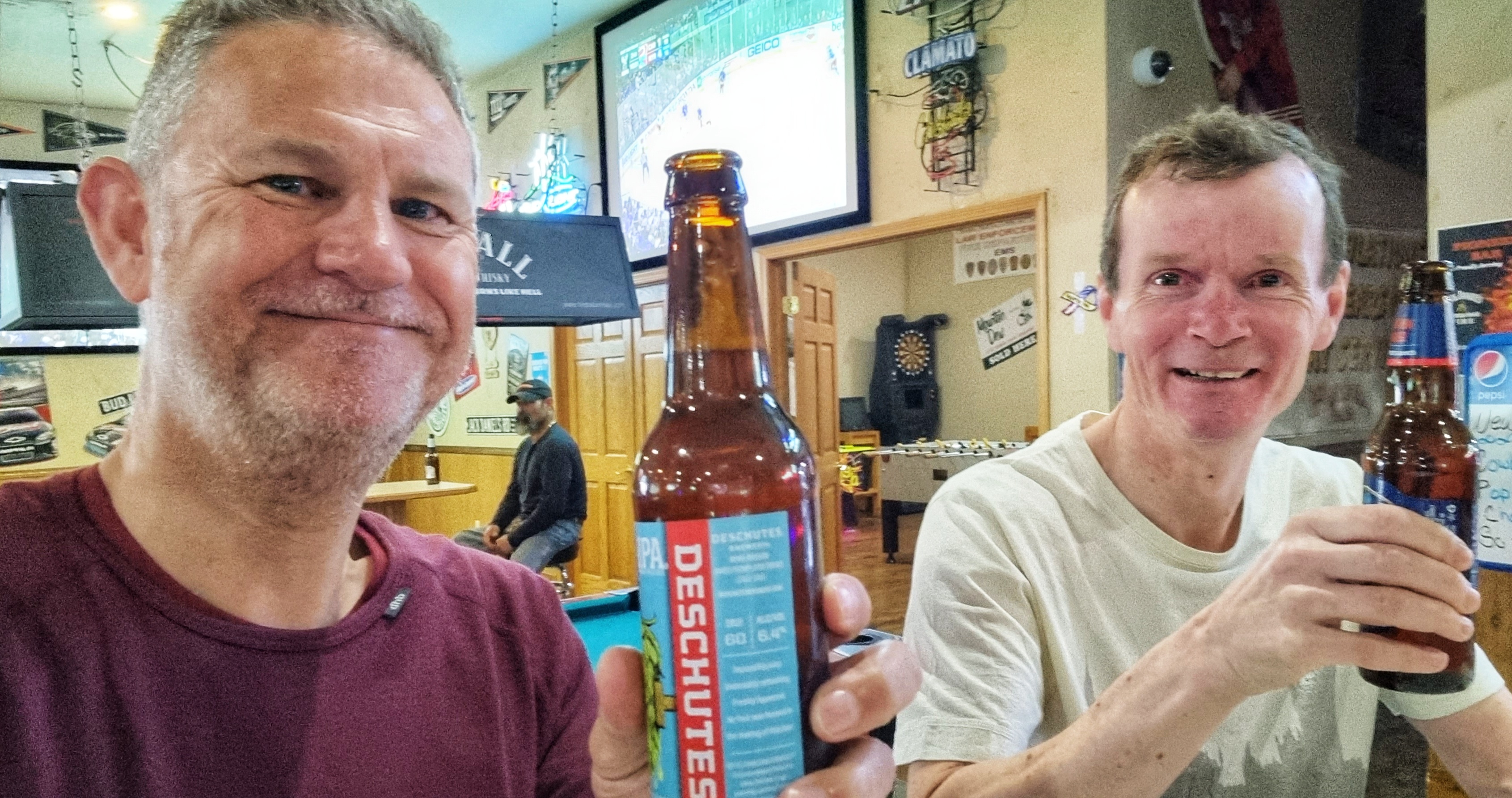
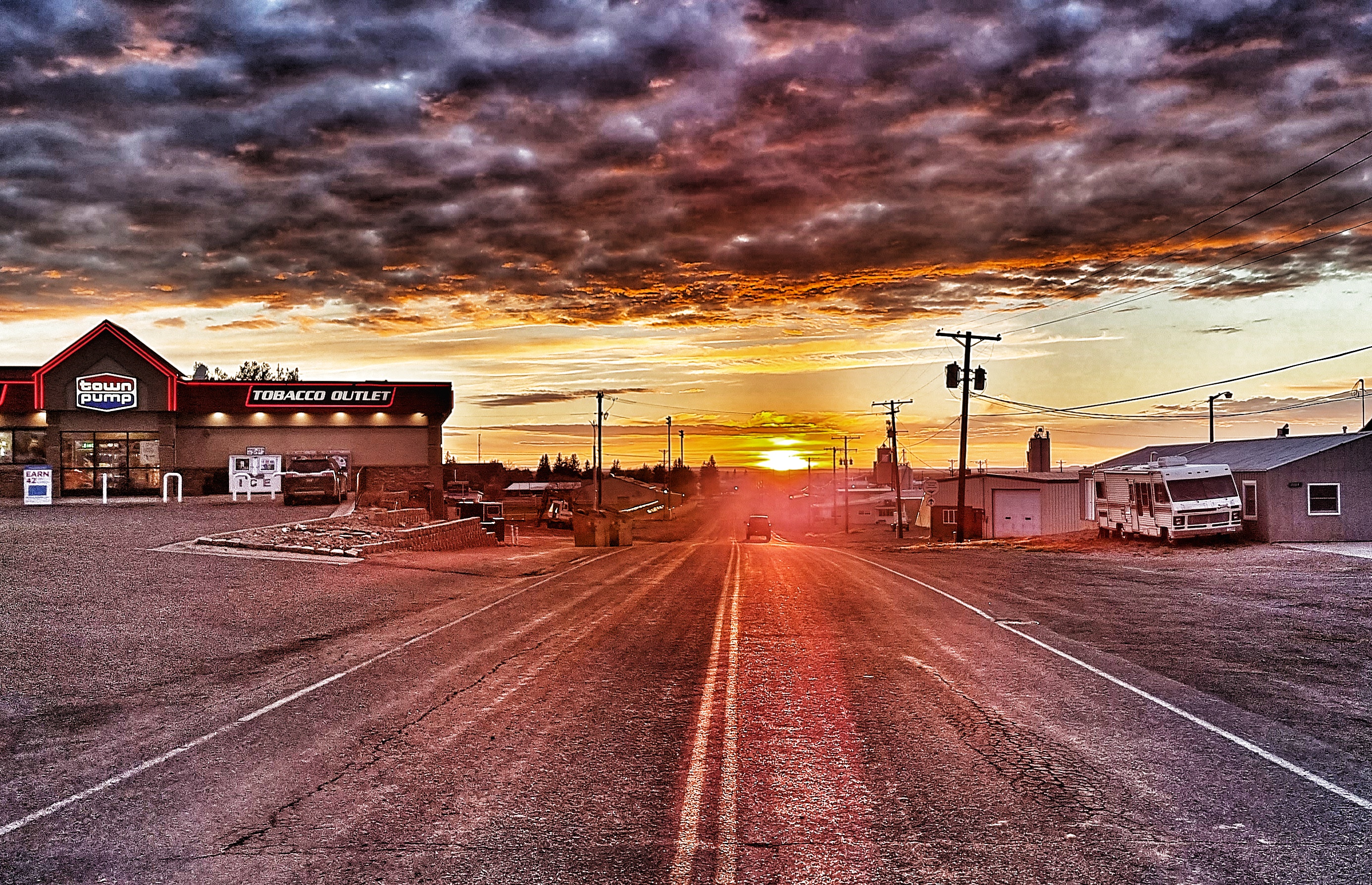
We had a relaxing afternoon, before heading out for a beer to celebrate another cracking day in the saddle. On the way back to the hotel I got to see both the sublime & the ridiculous within the space of 5 minutes – a glorious sunset & a 27 foot penguin which is a permanent reminder of when the temperature plummeted to 64 degrees F below freezing on 1st February 1989. The coldest spot in the nation is actually Prospect Creek Camp in Alaska, where temperatures plummeted to 79.8 degrees F below freezing.
Stage Stats – 48 miles, 958 feet of climbing. Virtually pan-flat with a roaring tailwind for most of the ride.

Sunday 29th May – Cut Bank to Conrad

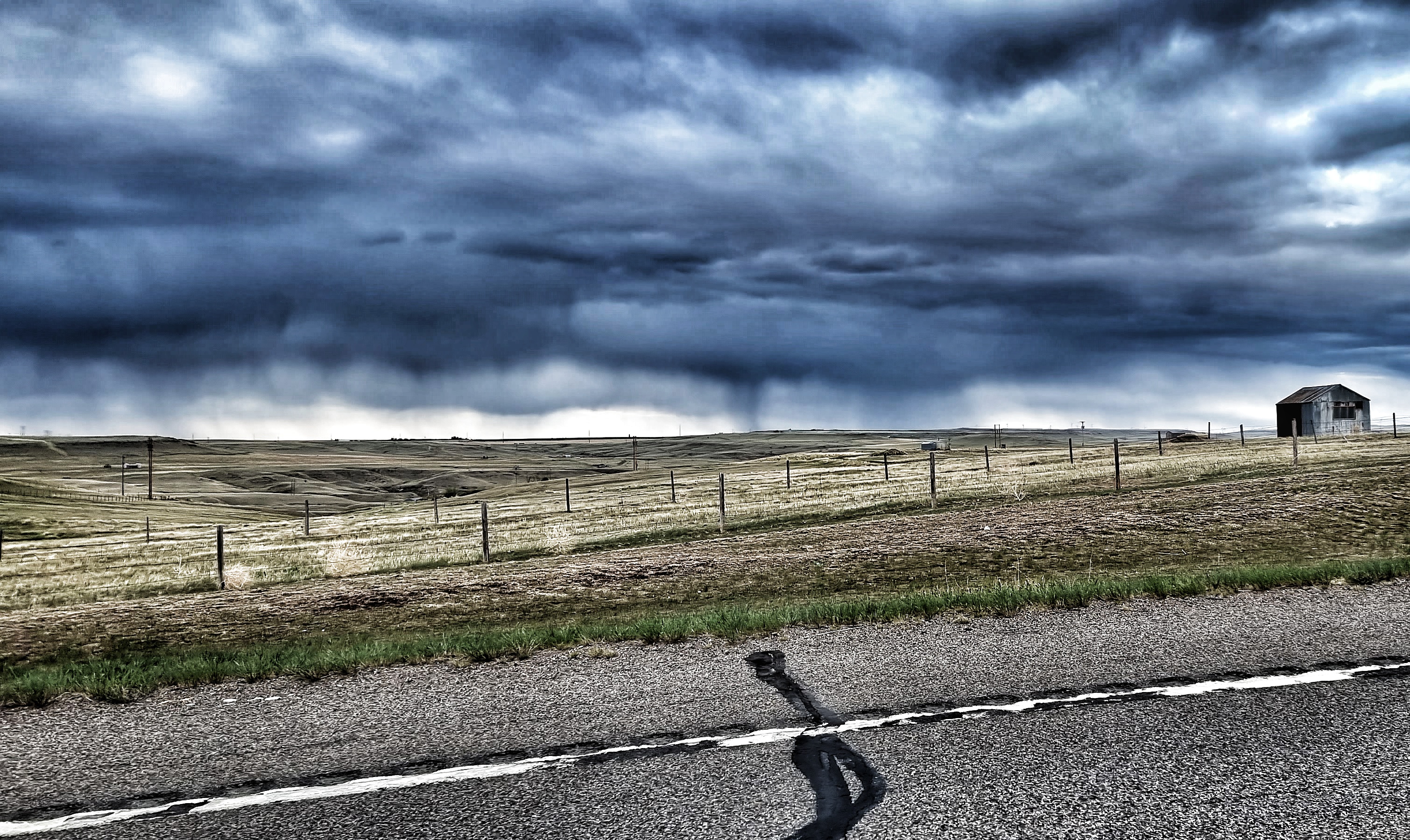
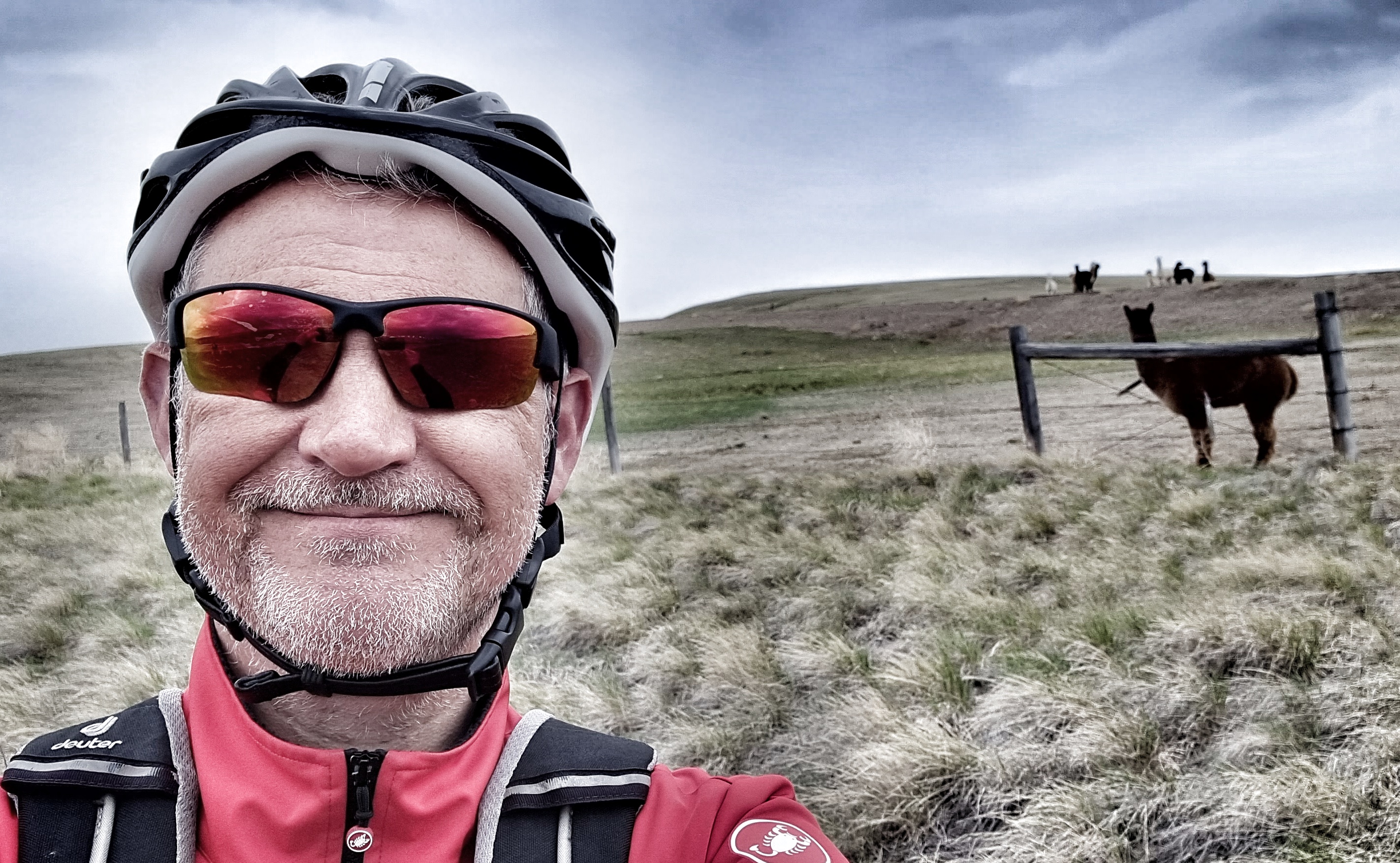
After a breakfast of cereal & toast, we were on the road for 9.30am. After yesterday’s turbo assisted ride we were expecting to have to work a bit harder today. We set off under overcast skies, with squalls of rain already falling around us (but not on us). The day started with a short climb up to the turning for the Valier Highway, where we turned left. Reaching the plateau we were surprised to meet a herd of alpacas. The alpha macho came over to check us out while the remainder of the herd looked on from a distance.

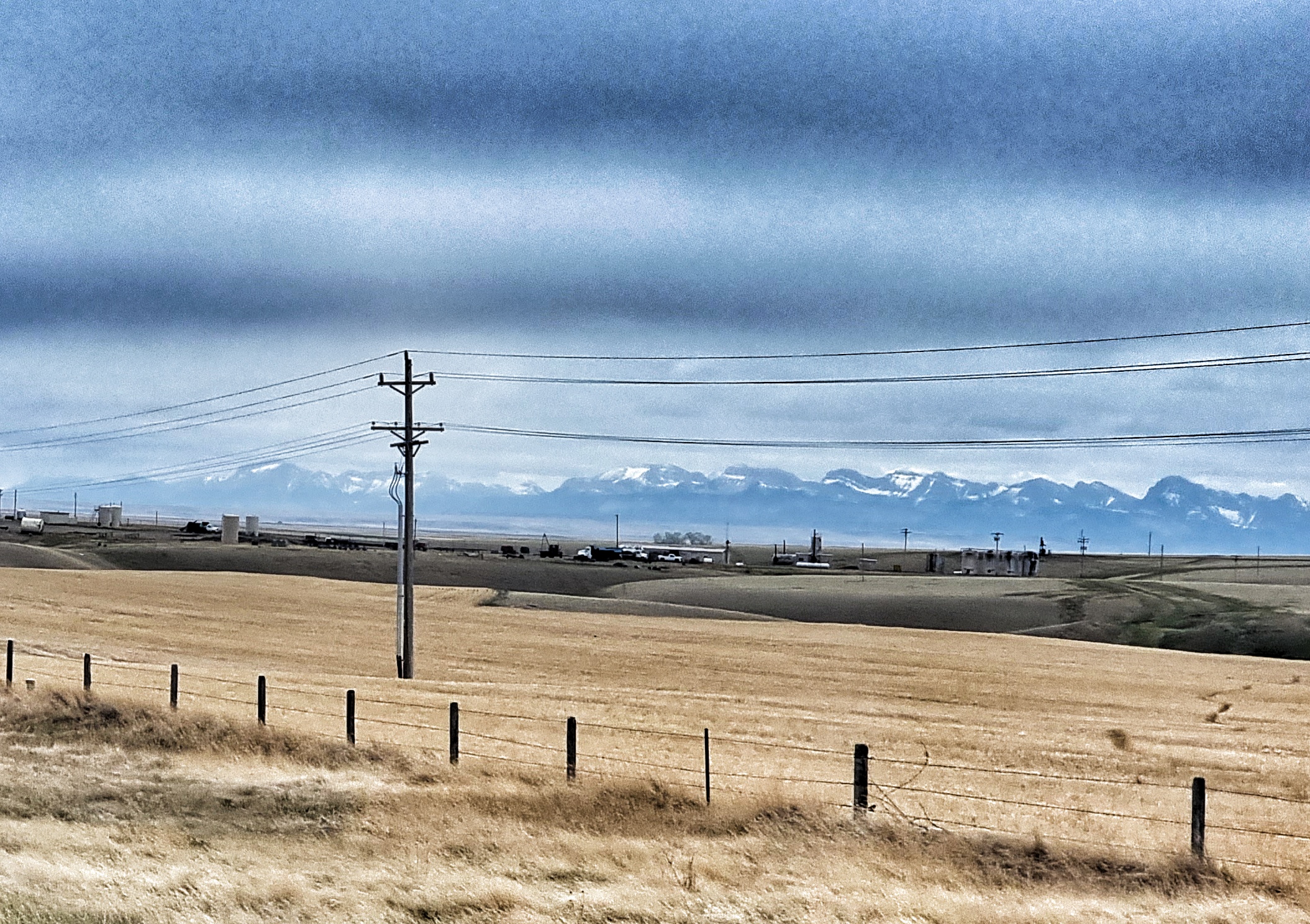
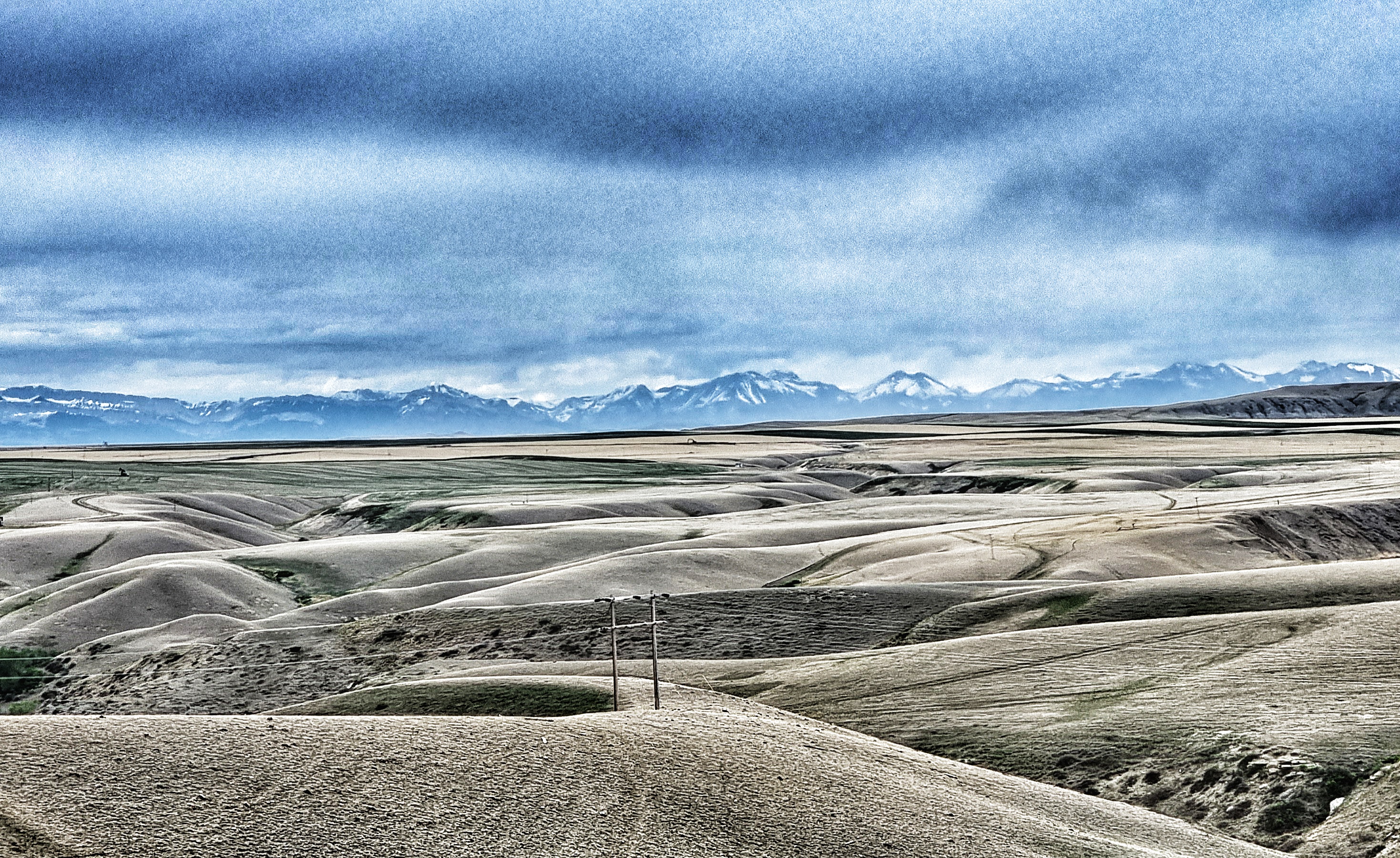
We were on straight, undulating roads again today & the breeze was behind us for the first section of today’s ride. We could still make out the snow-caps on The Rockies away to our right as they stretched north into Canada & south towards Wyoming.
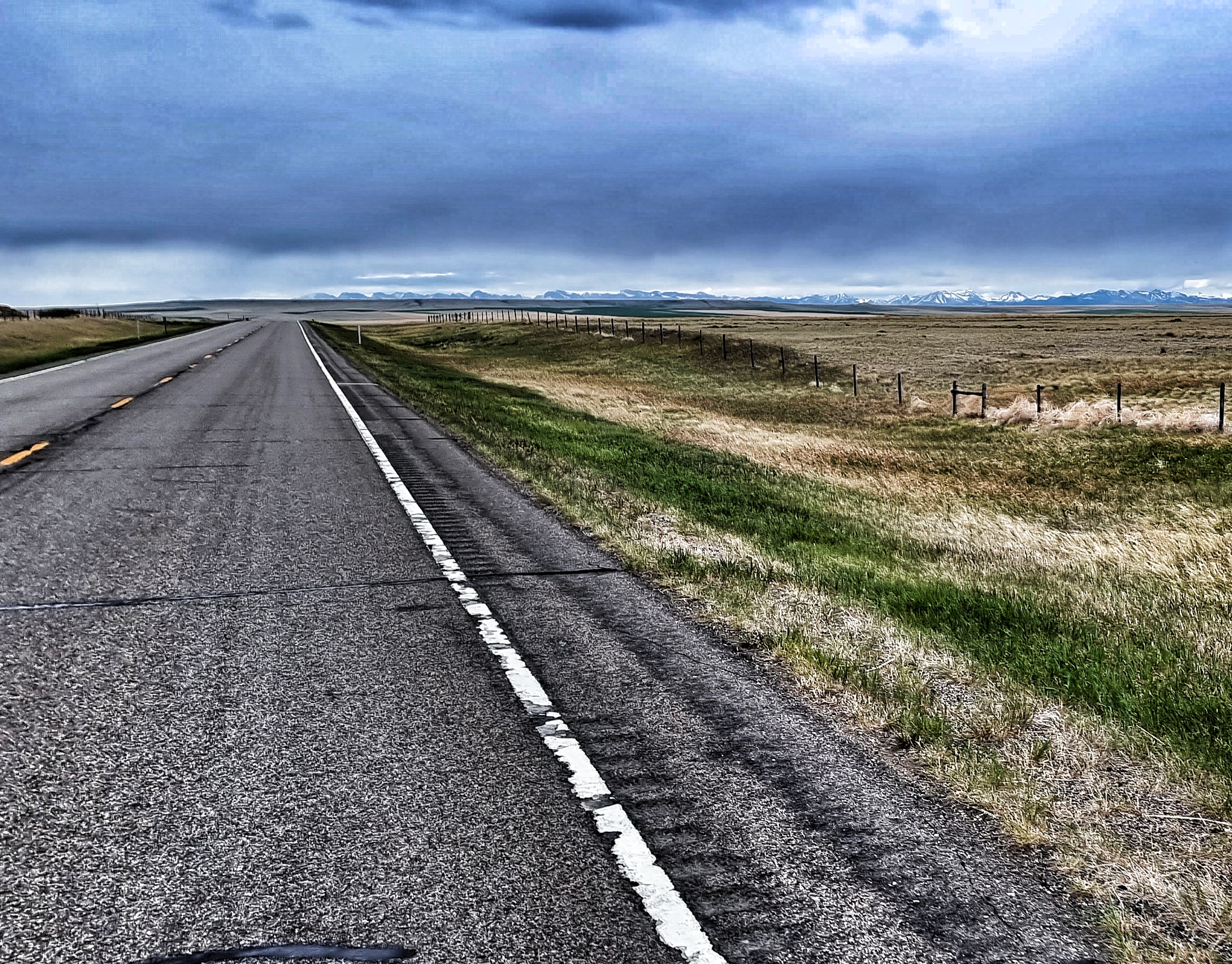
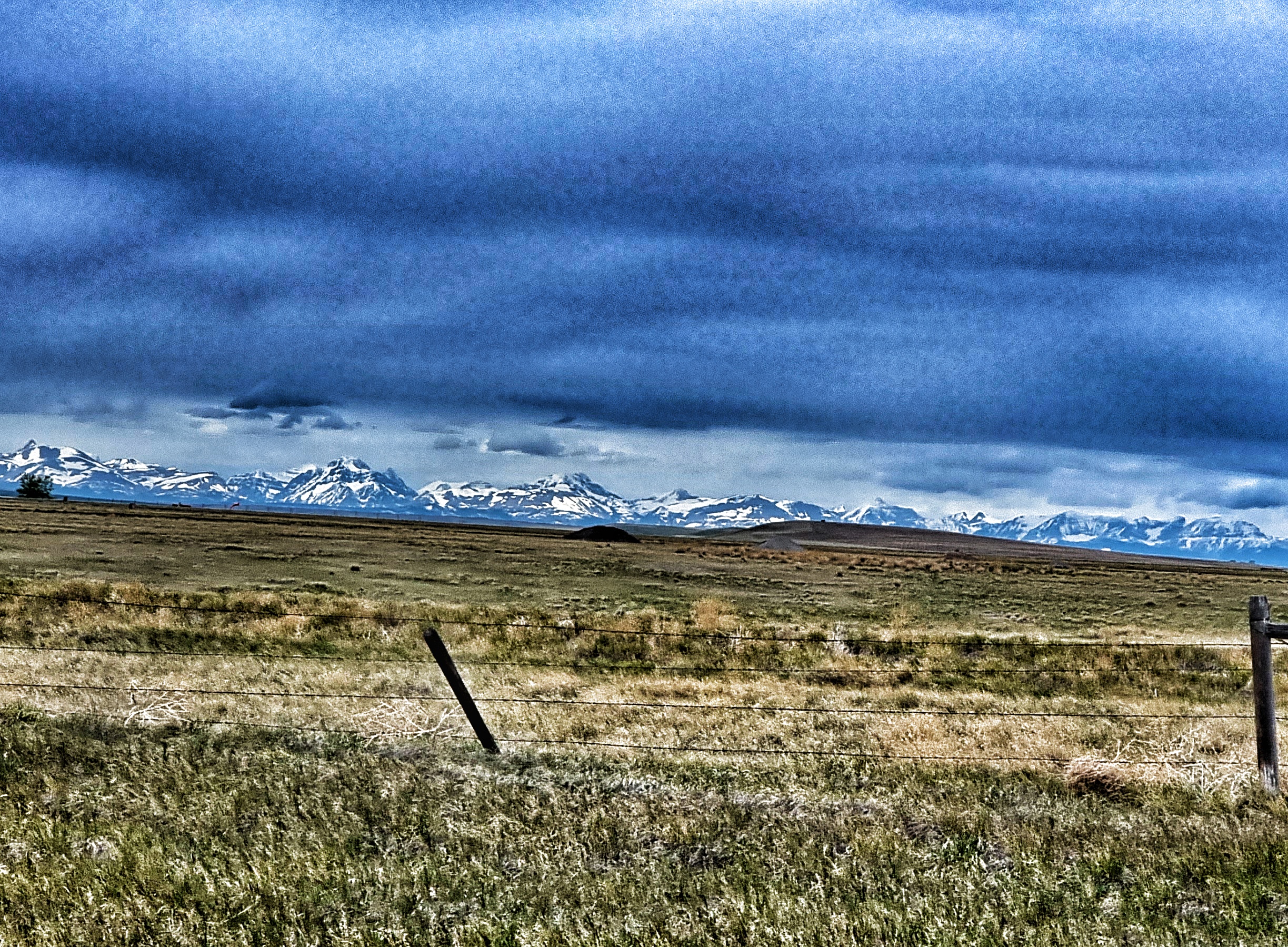
Off to our left a wind turbine farm was in the middle of a localised downpour, while we continued riding in the dry. The landscape was also gradually changing as the light browns were showing the first signs of green shoots. suggesting there must be a source of water nearby.
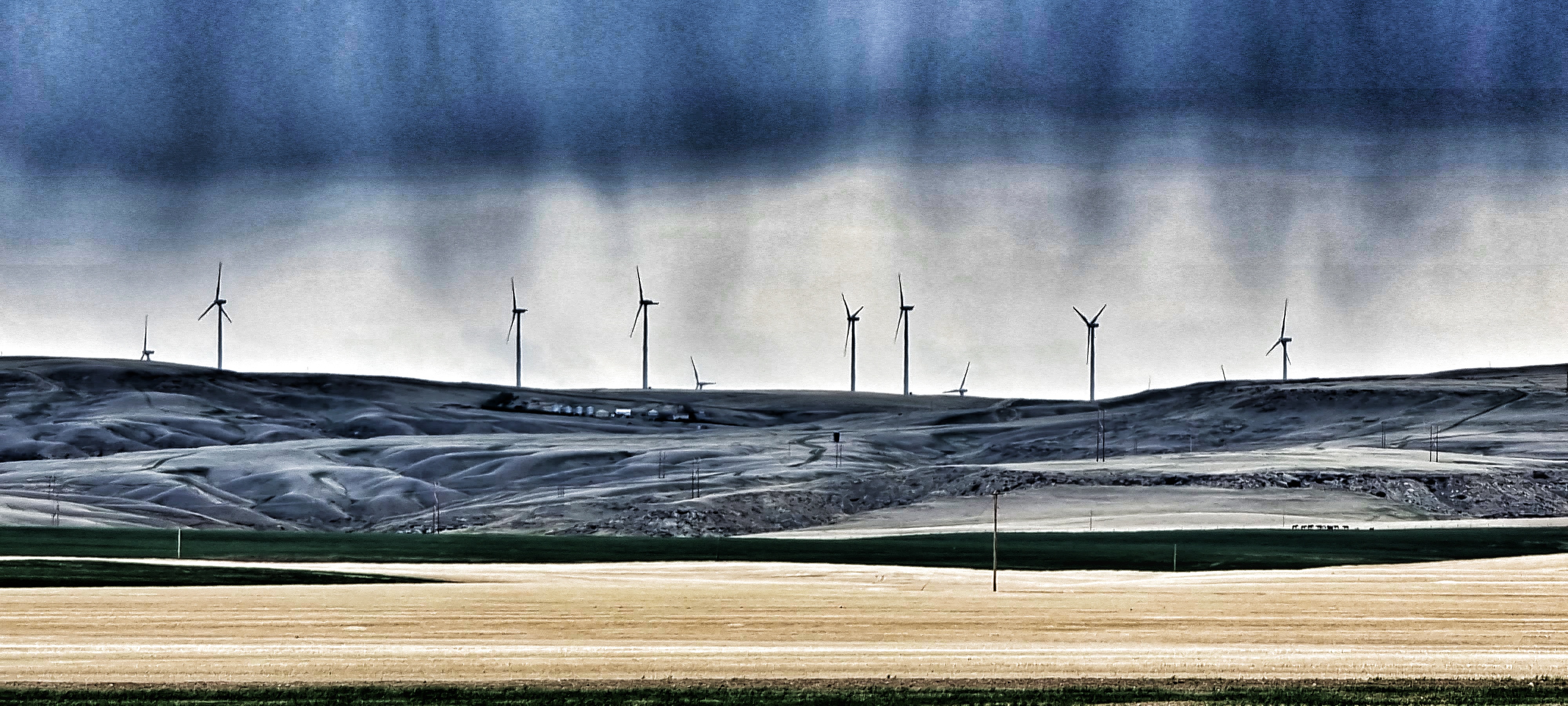
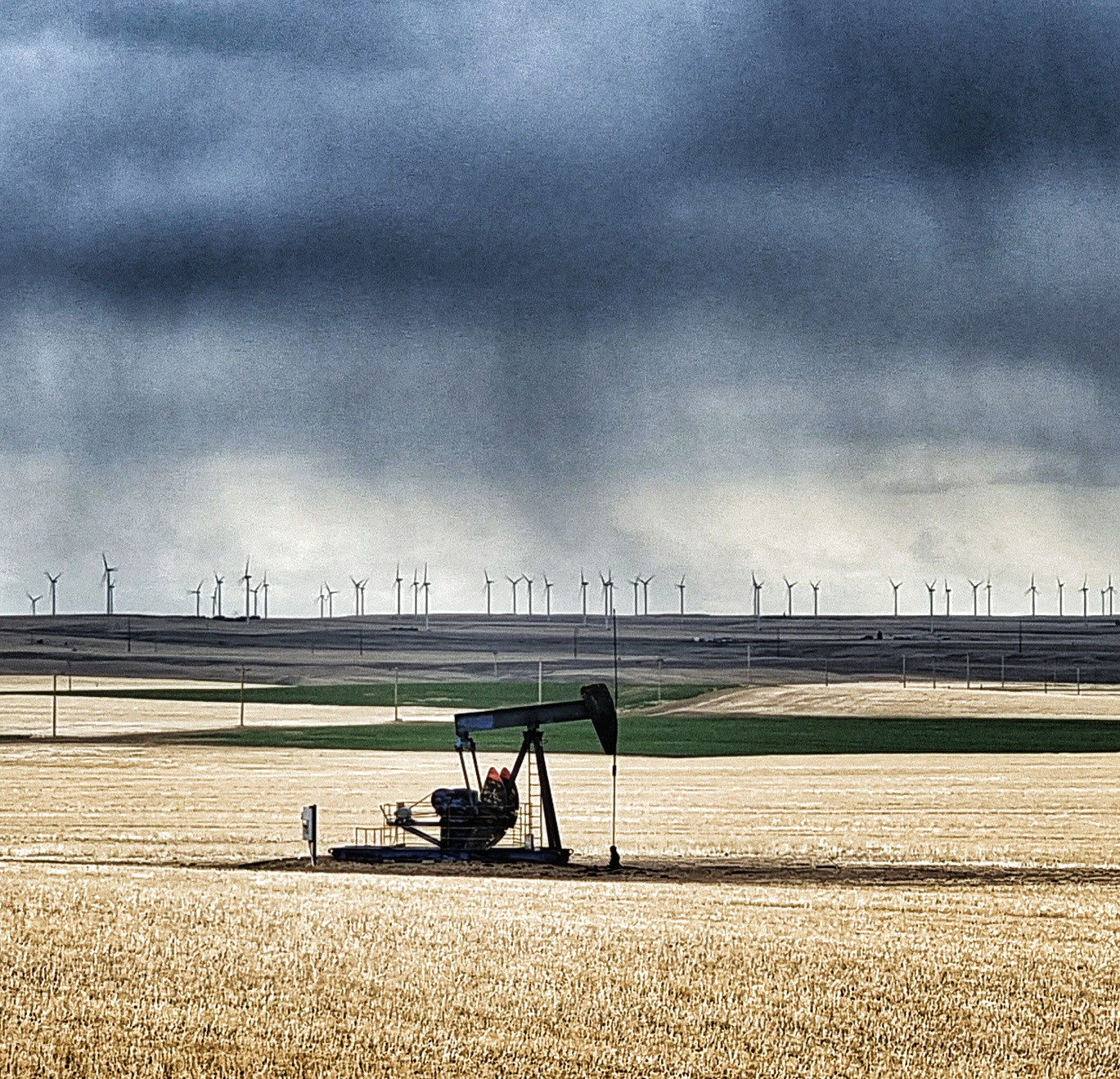
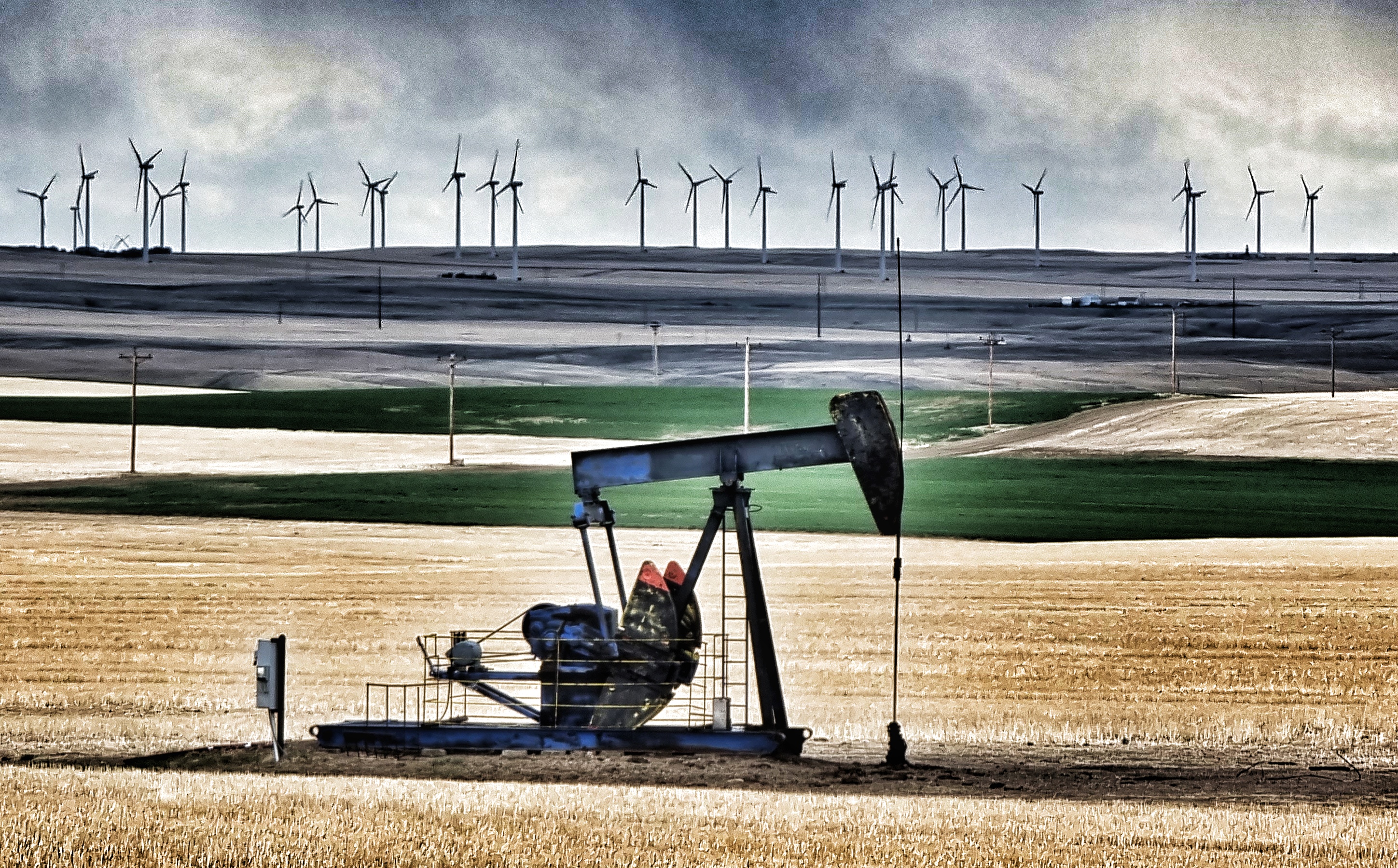
Turning to our right there were showers falling on the present & the future of America’s energy needs – a nodding donkey drawing up oil from below, while another wind farm harvested nature’s raw power. It was clear the showers were very localised, as the mountains remained in view throughout the ride.
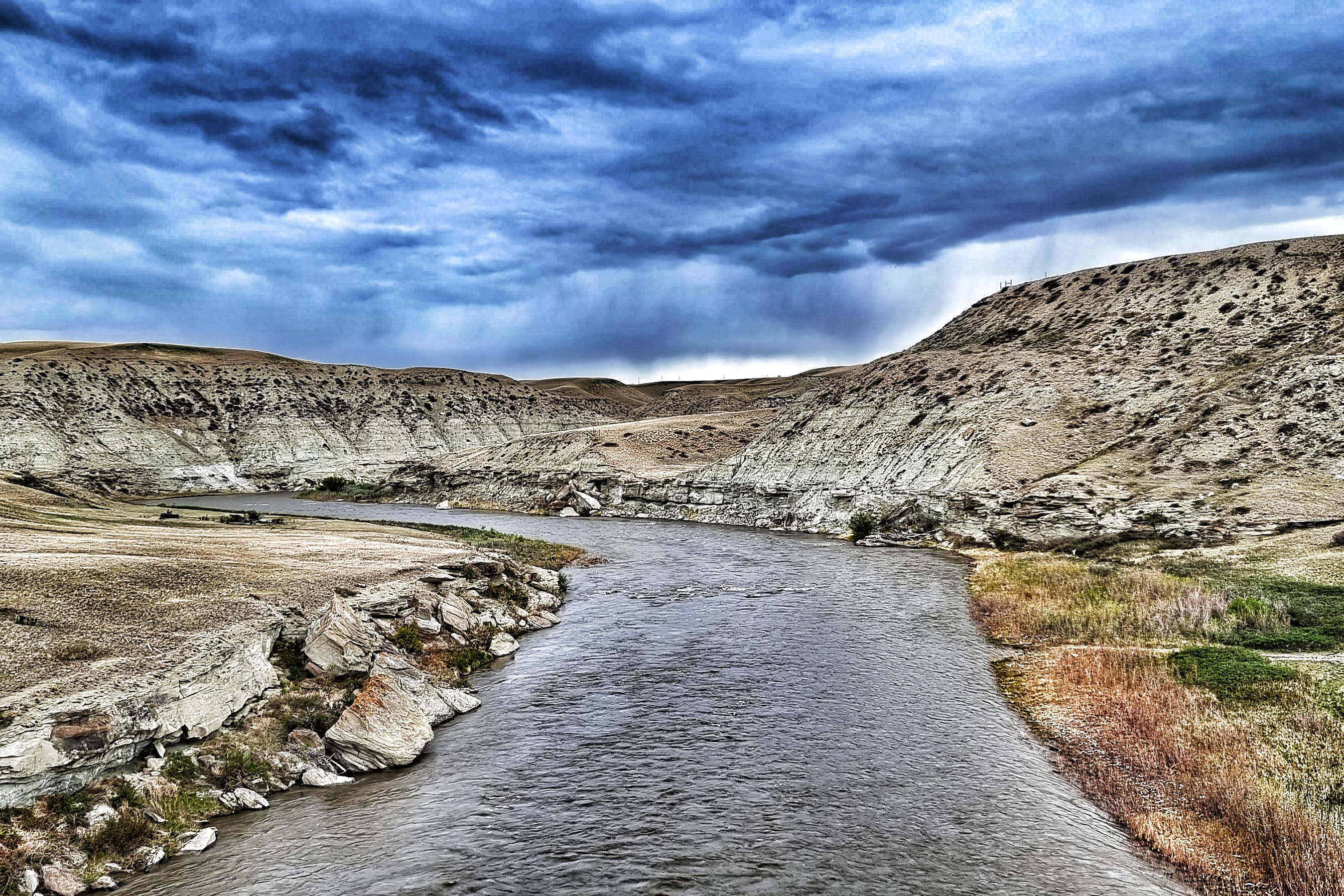
We stopped at a monument to the Two Medicine Fight Site, where the only violent encounter of the Lewis, Clark & Discovery Corps expedition took place in July 1806. There were differing accounts of what took place & why, however, what isn’t in doubt is that this was the first military conflict between US forces & a plains tribe. The site itself is on Blackfeet Nation land & requires permission to visit it. Crossing the Two Medicine river very little has changed in the intervening 200 years.

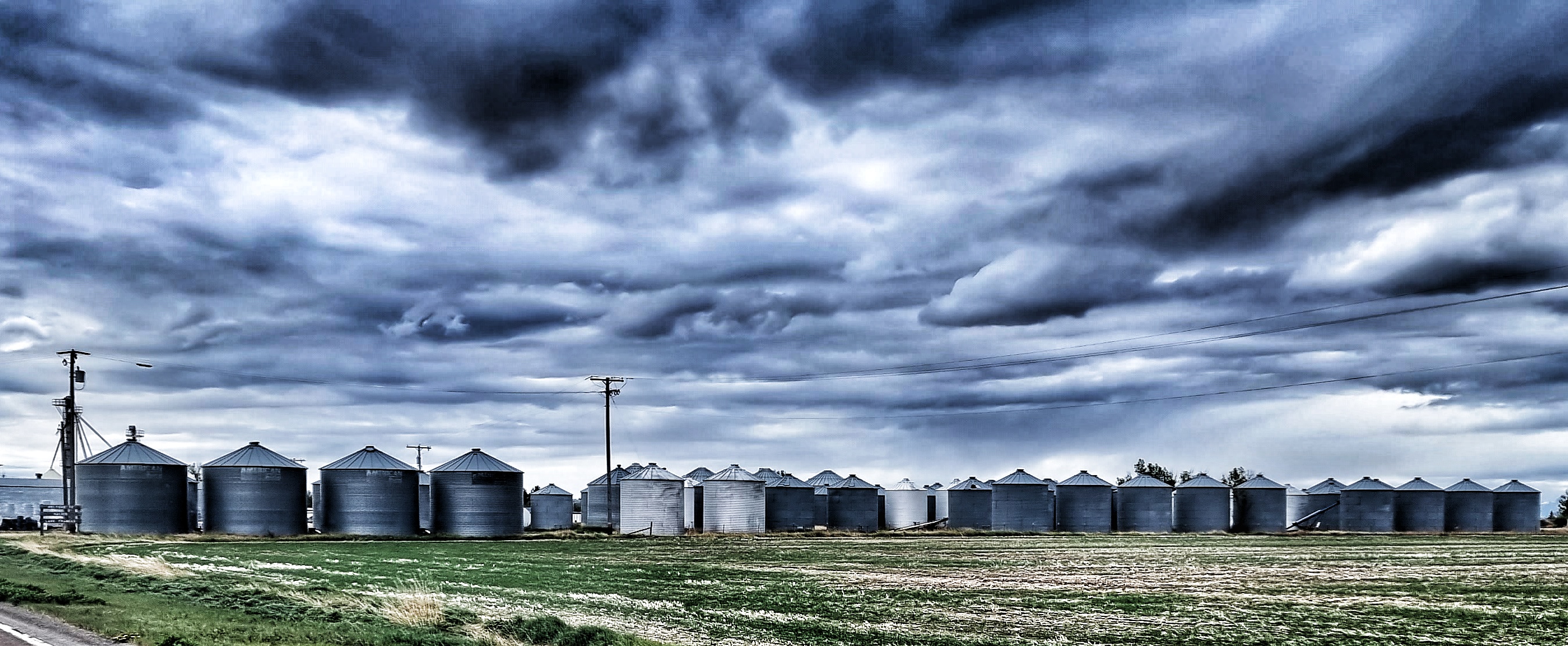
Just after crossing the river, we took a left hand turn & experienced the strength of the wind at first hand – unfortunately on our faces, not our tails! We also got our first look at the local “pepperpots” which store grain on individual farms before it gets collected & transferred to the larger co-operative facilities in local towns. After 13 miles of character building riding into a headwind we finally reached our coffee stop in Valier. Being a Sunday, we had to settle for a gas station coffee & Snickers, while we were finishing up, a professional rodeo team passed through.
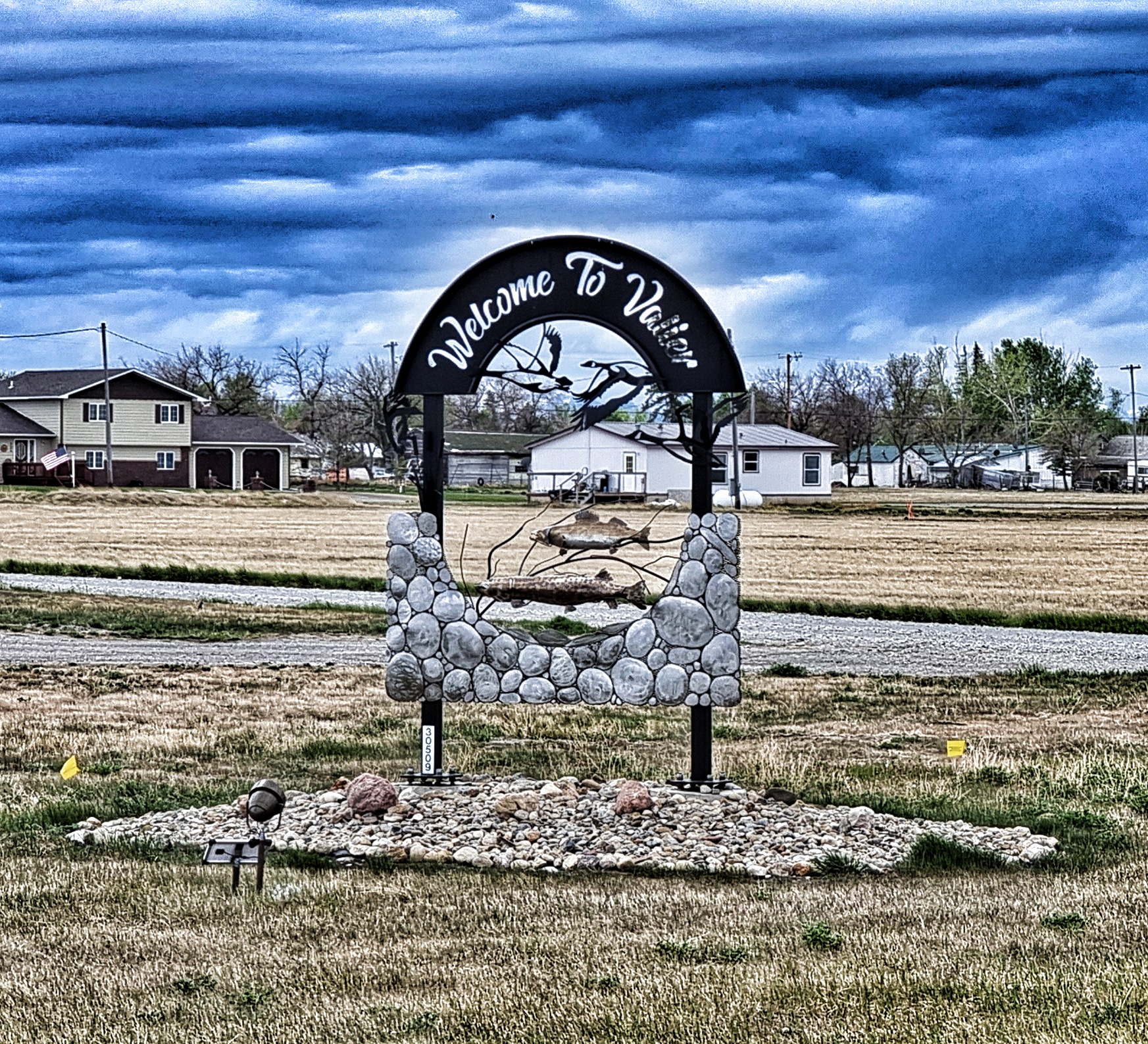
For the next 8 miles we again fought our way through a headwind – the toughest part is having your entire challenge laid out in front of you! At points we could see 3 or 4 miles into the distance & what the terrain was like. On the descents Sean would tuck in behind me & could just about match me for speed as the laws of gravity took hold. Finally after one last, long climb the ordeal was over & we took a right turn to pick up a tailwind again!
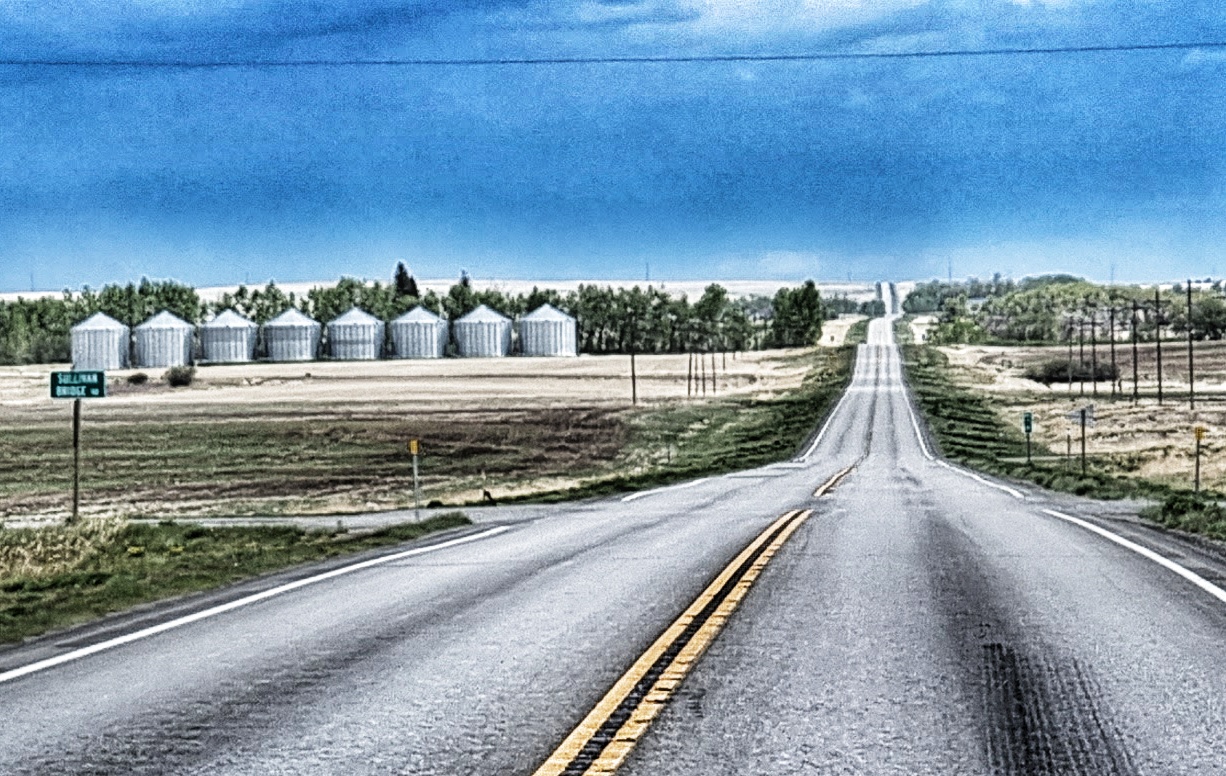
We recognised our good fortune, as we’d avoided the rain all day. All that remained was to enjoy the tailwind for the last 5 miles as it blew us into Conrad, our base for the next 2 nights.
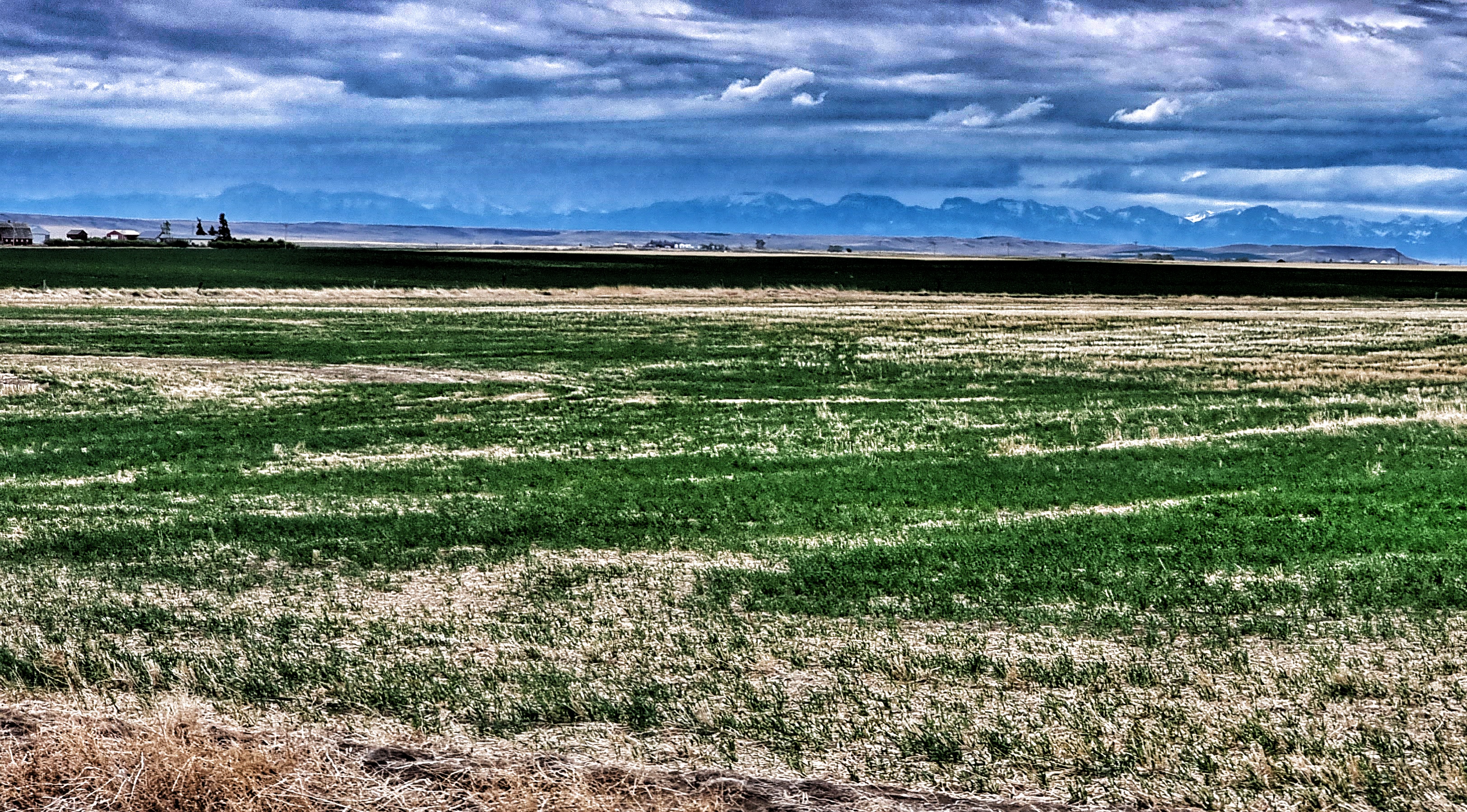
Stage Stats – 53 miles, 1,909 feet of climbing. Undulating terrain with the pain of a headwind & the joy of a tailwind at various points.

Monday 30th May – Rest Day

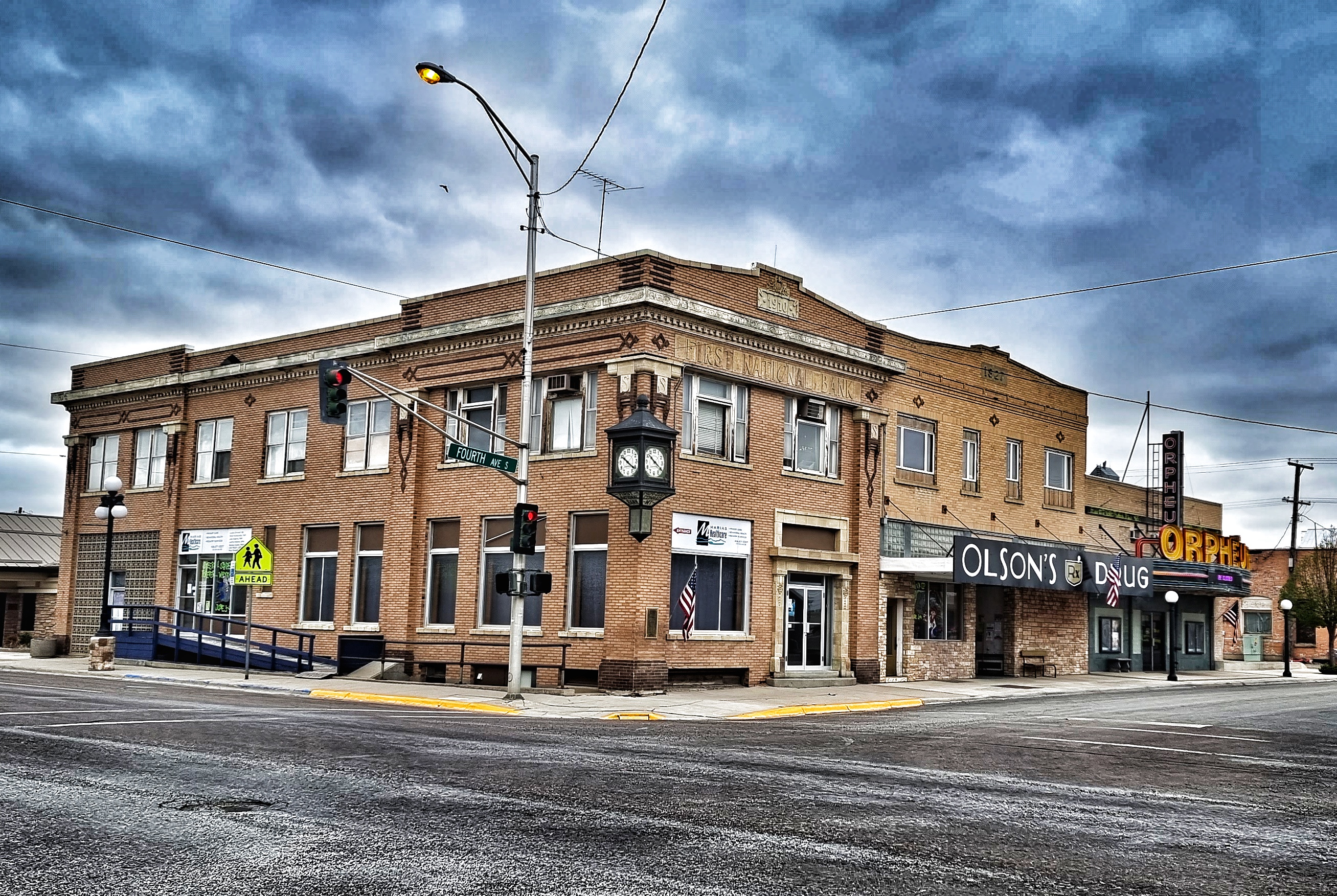
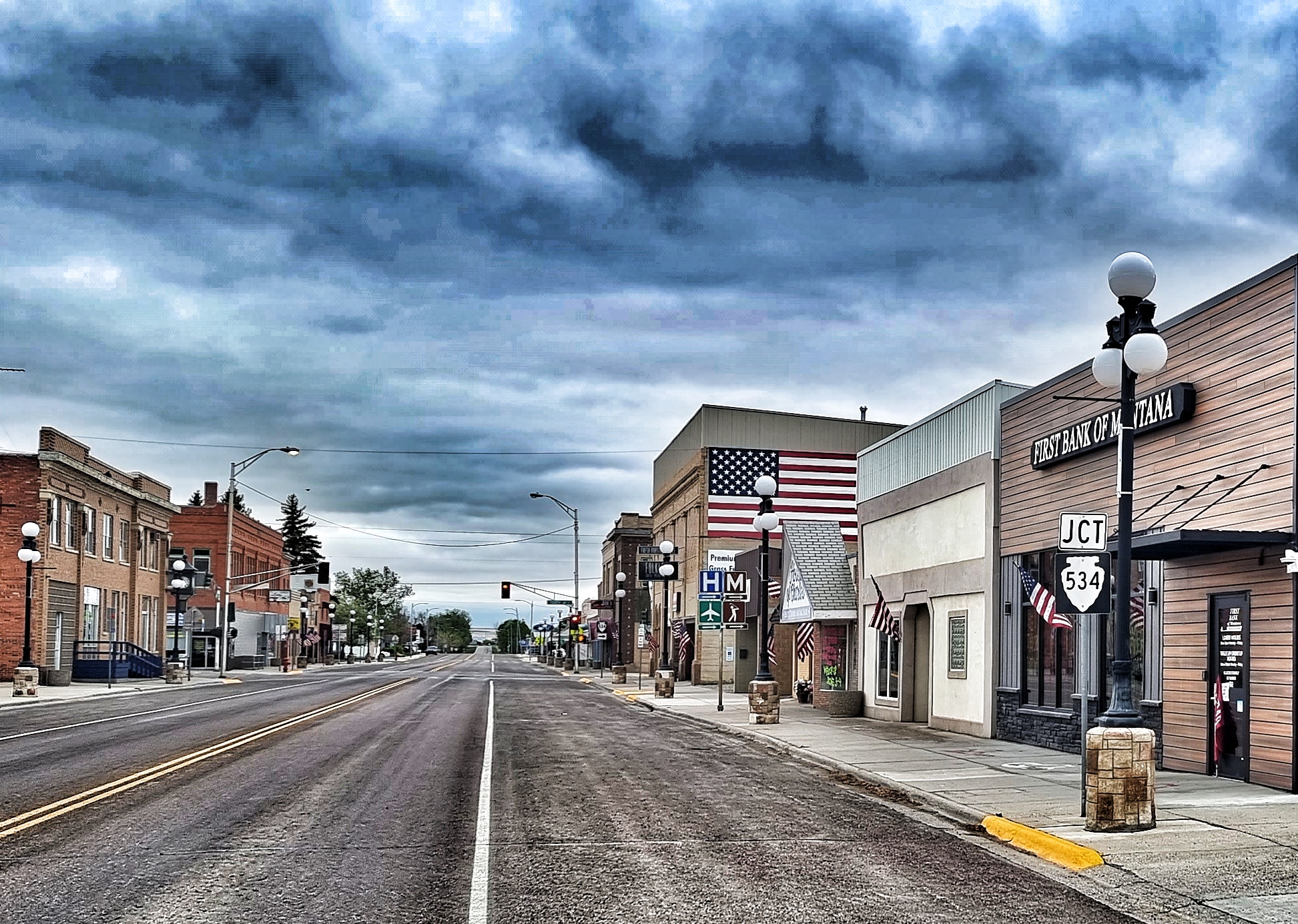
Monday 30th May is Memorial Day in the USA & most of Conrad was closed to enjoy the Bank Holiday. We took the opportunity to take a stroll along Main Street & then return via Front Street which bordered the railroad. Walking along Main Street, the first thing we noticed was that almost every building had a Stars & Stripes flag flying. As we reached 4th Street I spotted an old map of Conrad that had been drawn on chipboard in 1986 & mounted on the wall. The town has spent a significant amount of effort retaining the 1950’s vibe & it was a look that worked.
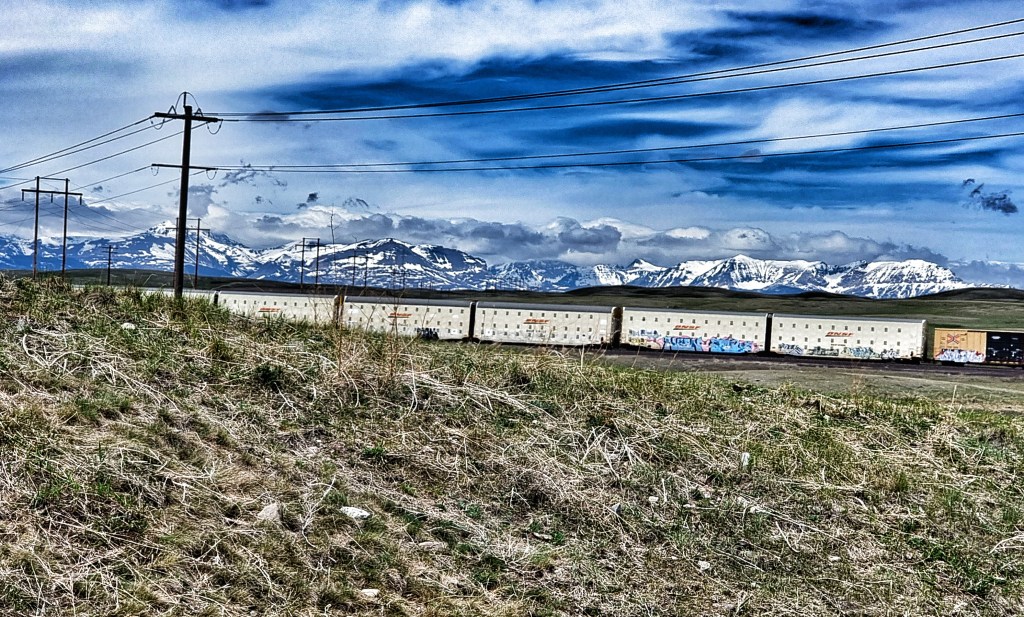
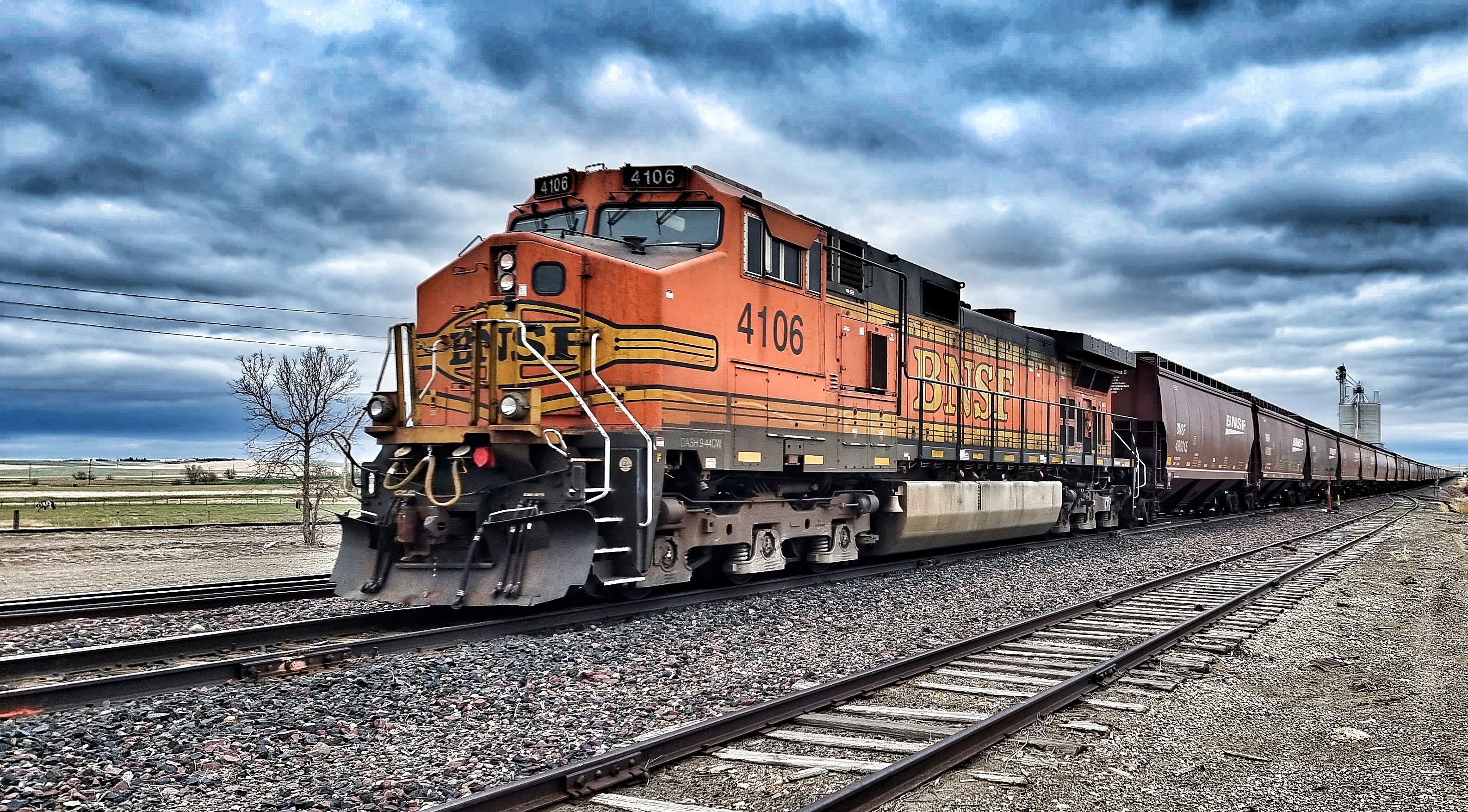
We turned onto Front Street just as a freight town was passing through town – I just had time to get myself in position & then take a few photos as it continued on its way – it took about 5 minutes until the rear engine (4106) passed . I also managed to shoot a small piece of video & was very surprised by how much the carriages actually sway as they are pulled / pushed by the engines at the front & rear of the train.

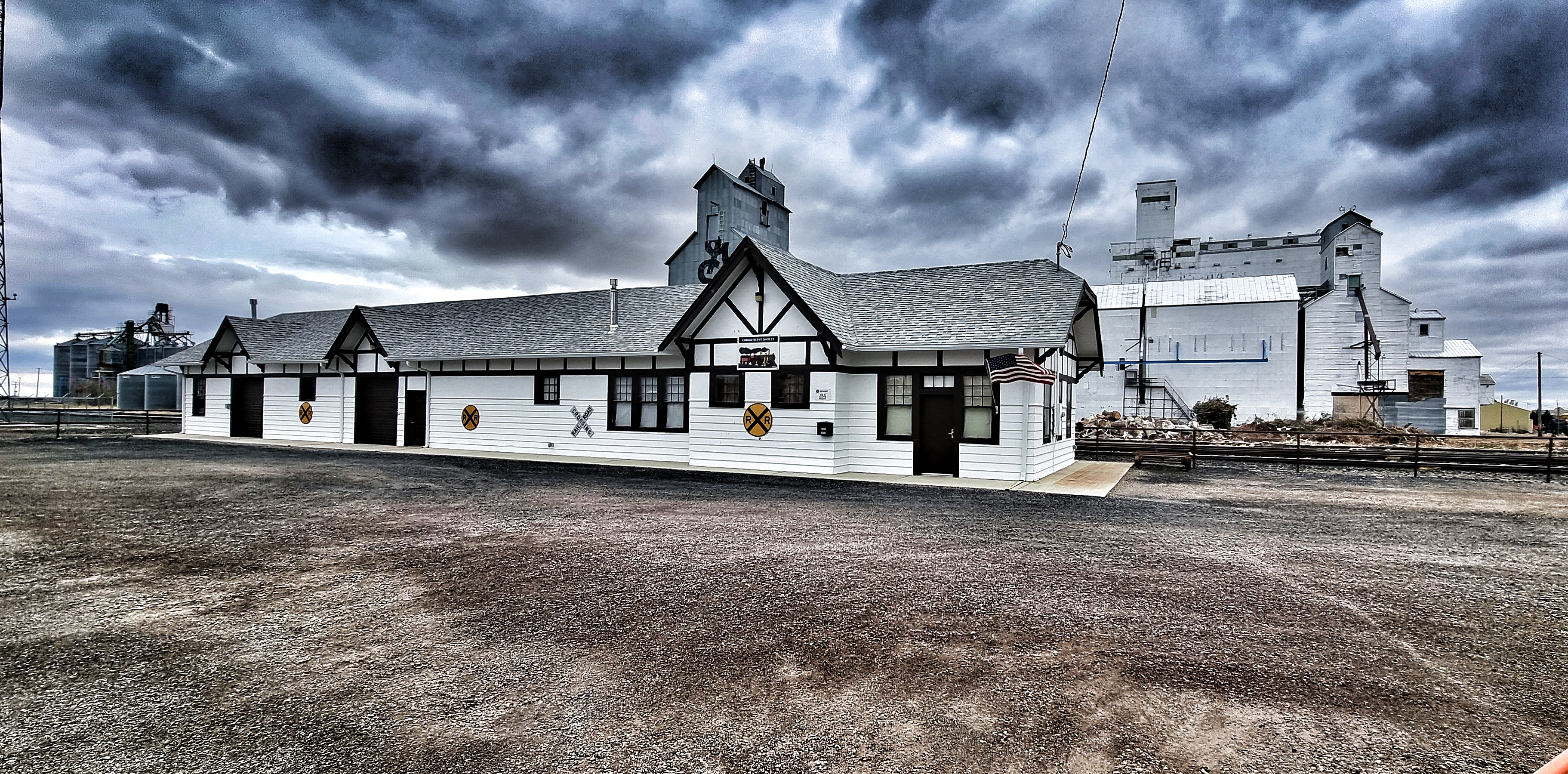
On the opposite side of the tracks was Columbia Grain Central & Mountain View Co-Op, where grain from all the surrounding farms is delivered & from there it’s transported out by railroad. These are huge warehouses & it certainly got me wondering what it must be like around town when harvest season is in full swing.

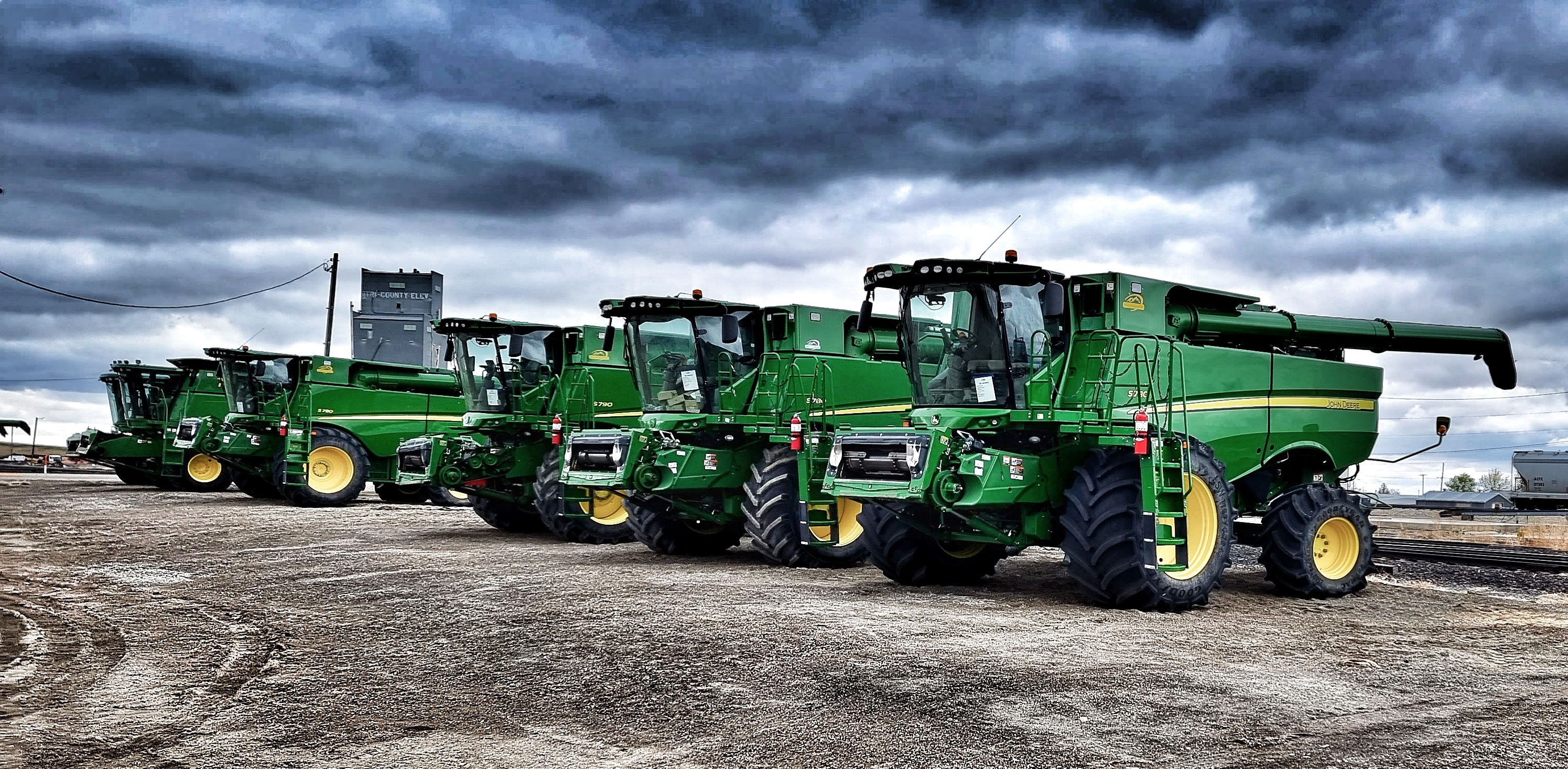
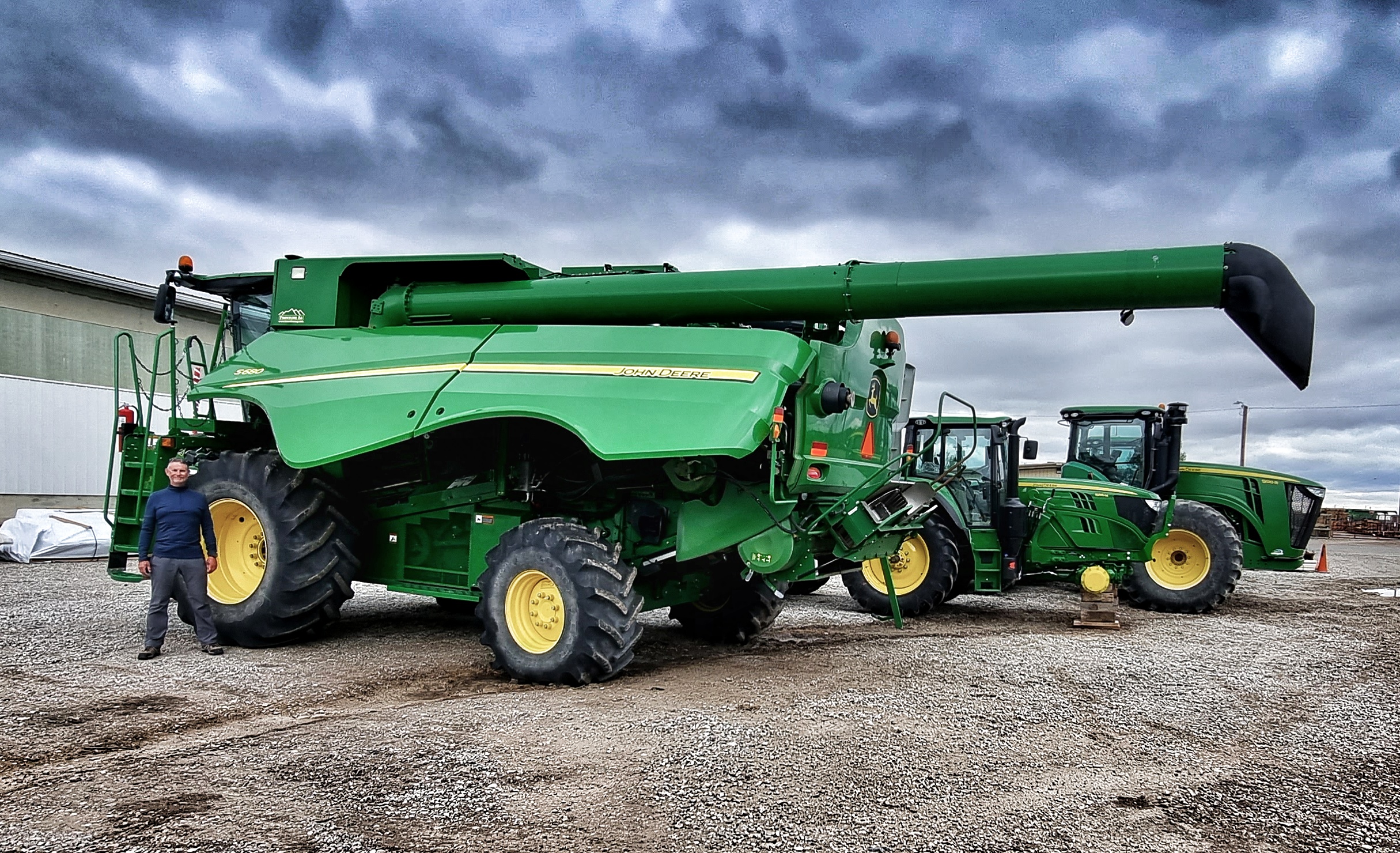
As we neared our motel there was an old John Deere tractor on display behind the dealership -it was too good an opportunity for me to miss, so I jumped onboard in a flash! There were also a few harvesting machines there too & the front wheels were as tall as me. These really are monster bits of kit!

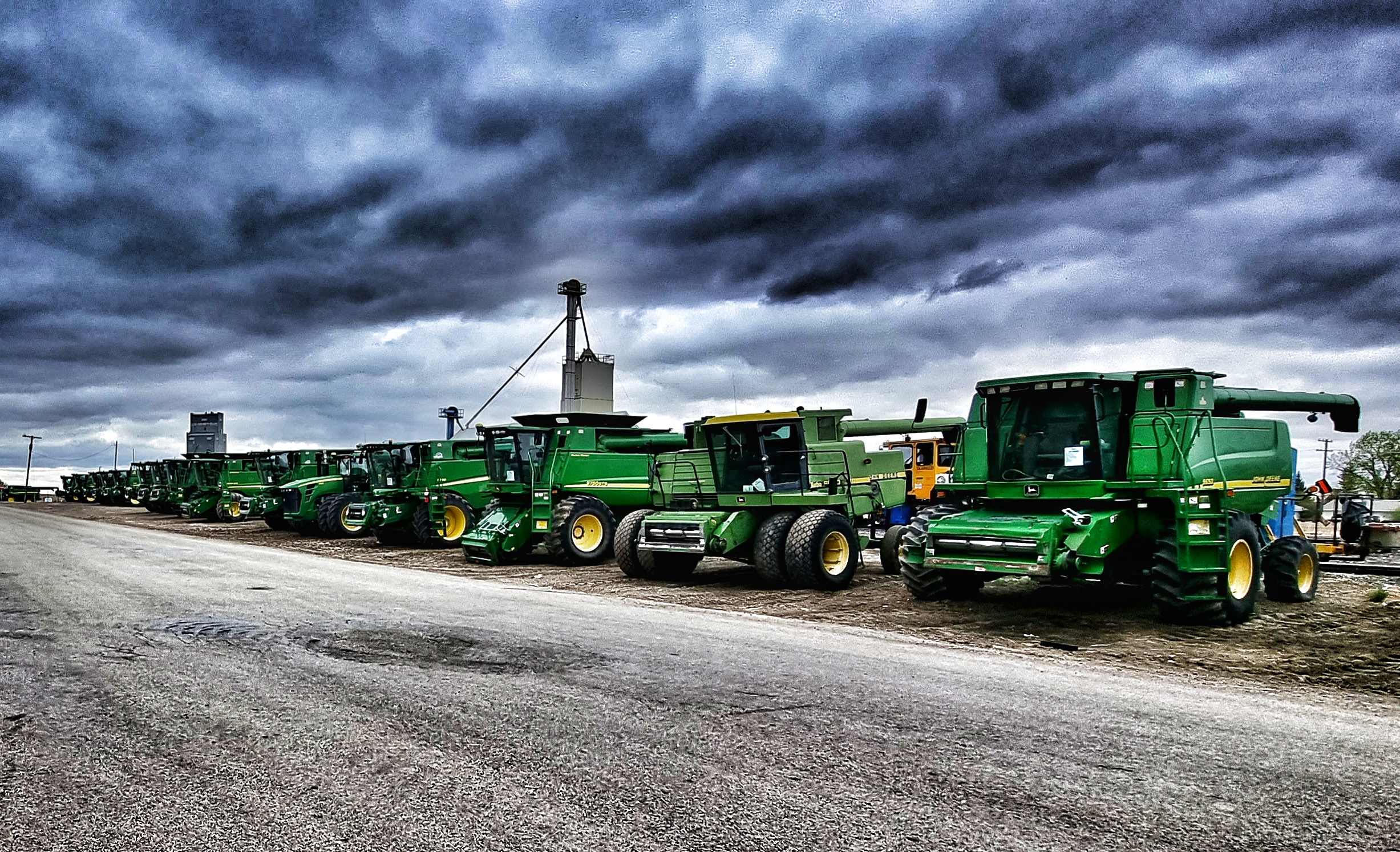
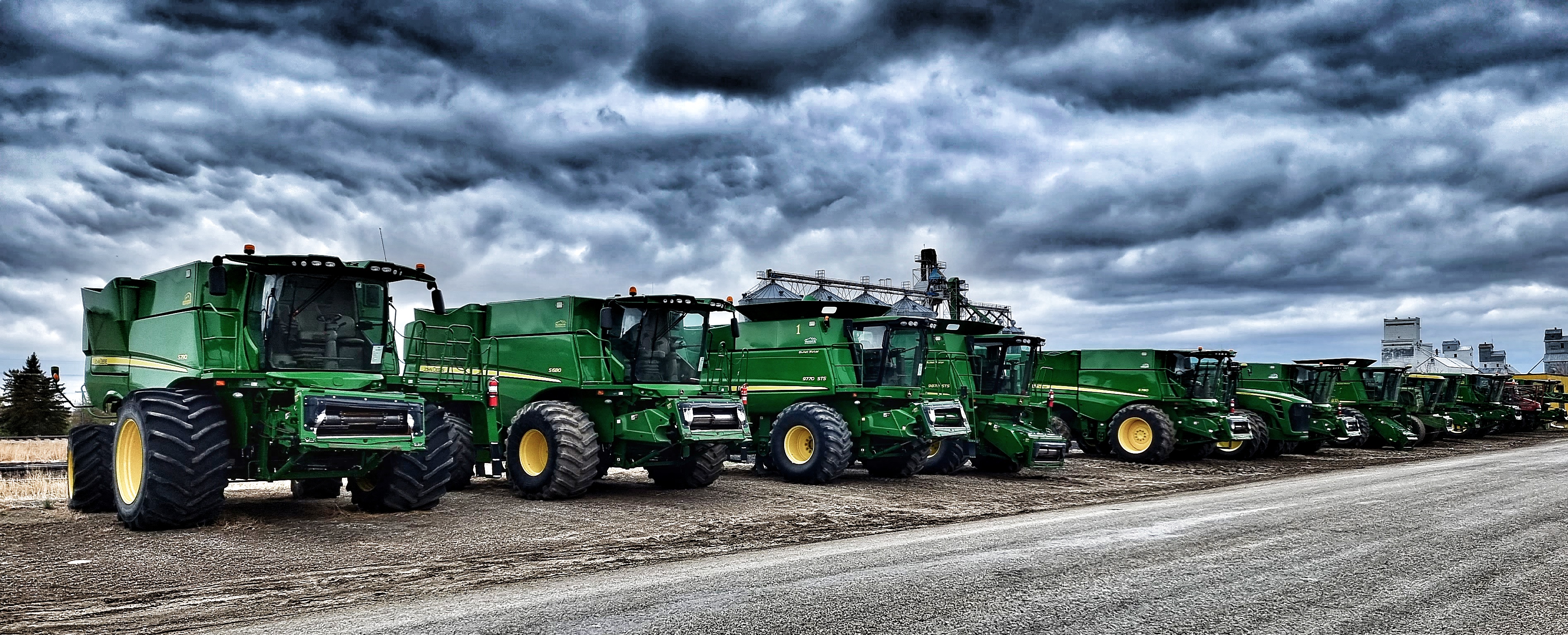
The dealership itself had a vast array of different farm machinery, I dread to think how much all the items on the forecourt would cost! Hopefully we’ll all be able to spot a John Deere machine from 100 yards from its distinctive colour scheme!
We always try to find something a little different to do on our rest days. There’s quite a bit of admin to do as well, but reading about how I plan a route, book a hotel & write my journal / blog isn’t going to be very interesting!!!
Glacier National Park to East Glacier Village

Thursday 26th & Friday 27th May

Thursday 26th May (pm) – Glacier National Park (Stage 21 – continued)

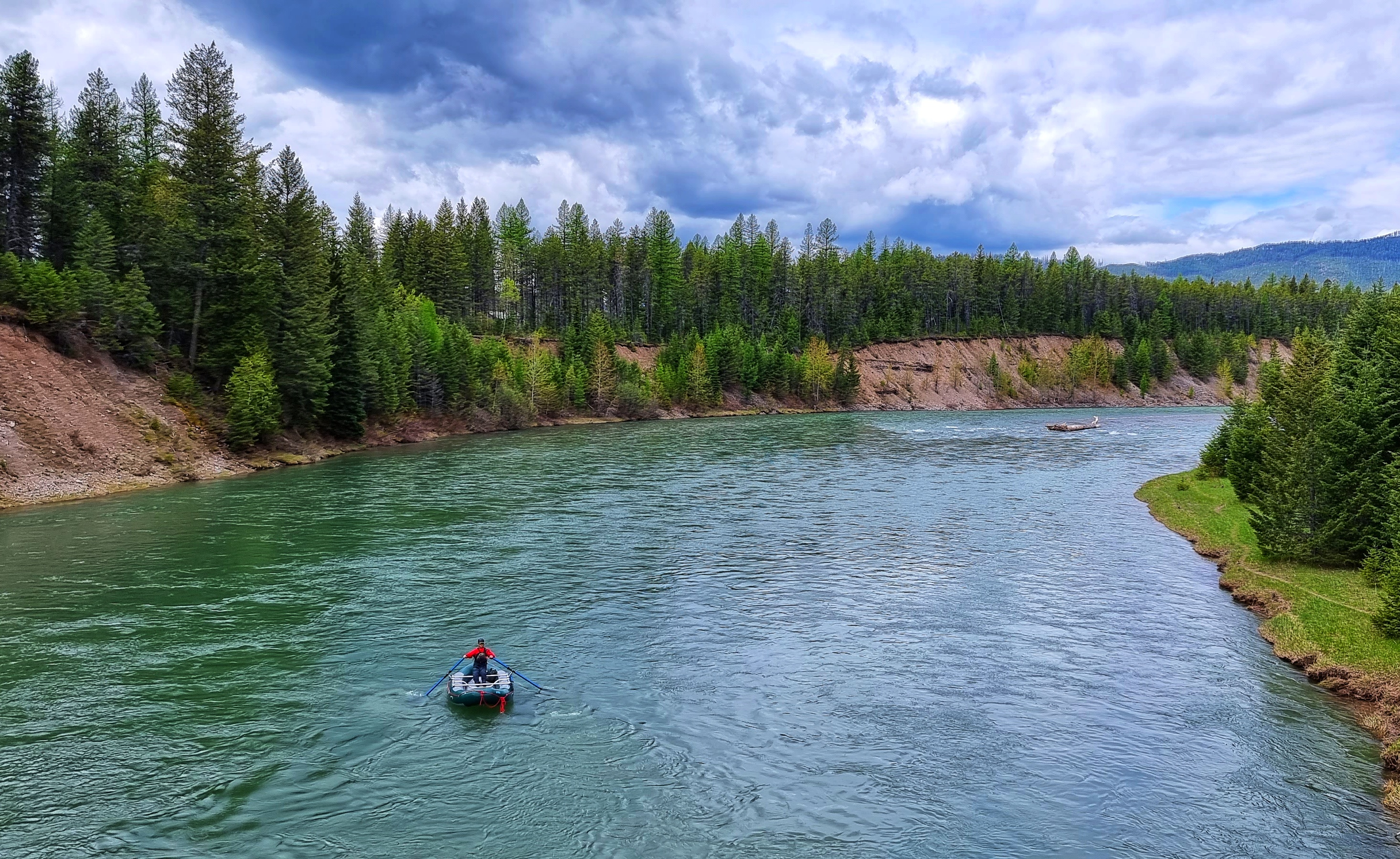
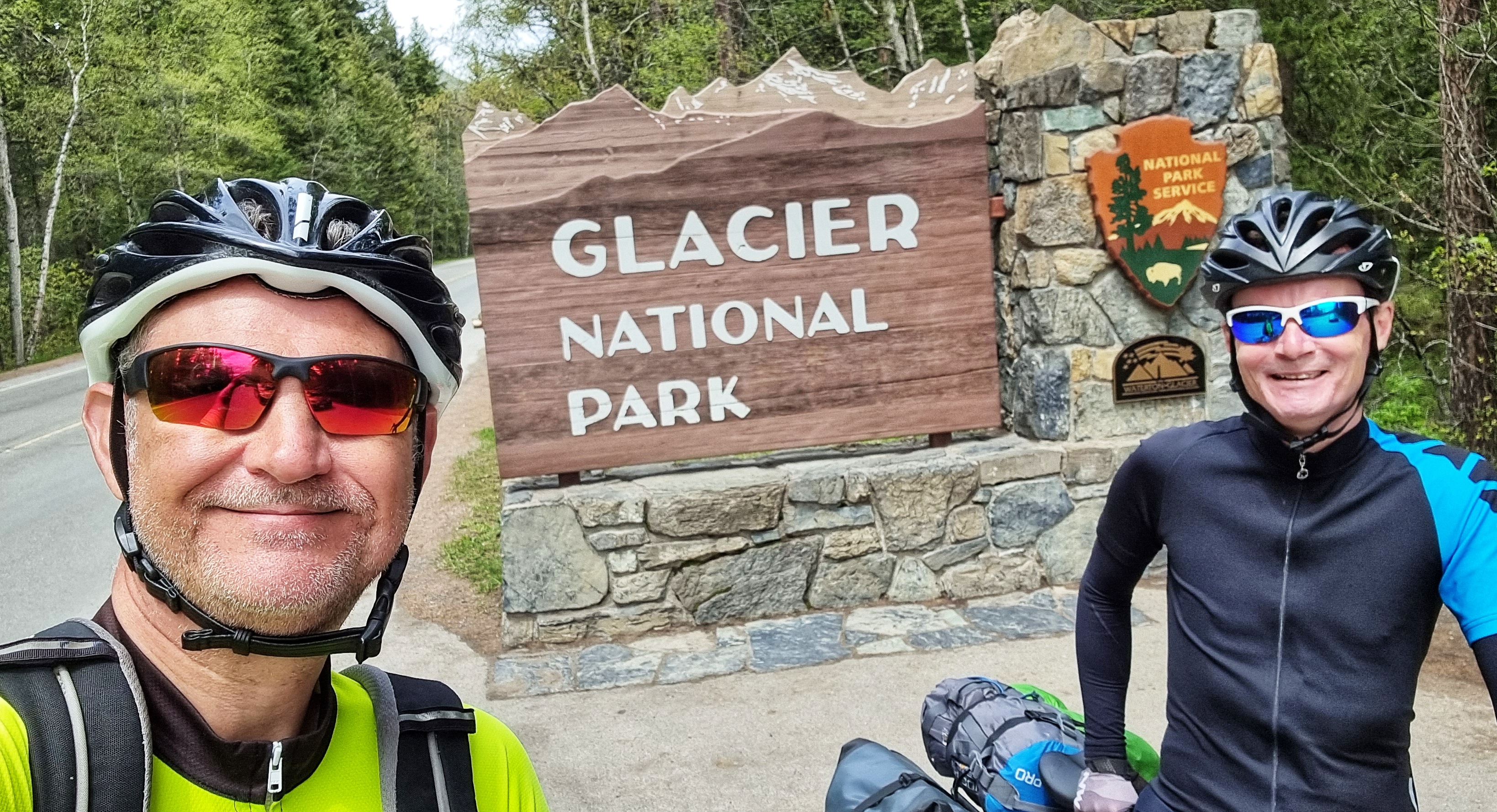
As we entered Glacier National Park (GNP) via the West Entrance, we stopped & took a quick snap as a permanent reminder of our visit. Crossing the Middle Fork Flathead River, we spotted one of the many rafting boats that are advertised – it had just dropped off its passengers & the guide was on his way back to base camp further down the river. Before our adventure in GNP had begun in earnest, we saw at close quarters our first near death moment, as an adult deer bolted across the road in front of two SUV’s that were travelling in opposite directions. A frightening moment for all concerned.

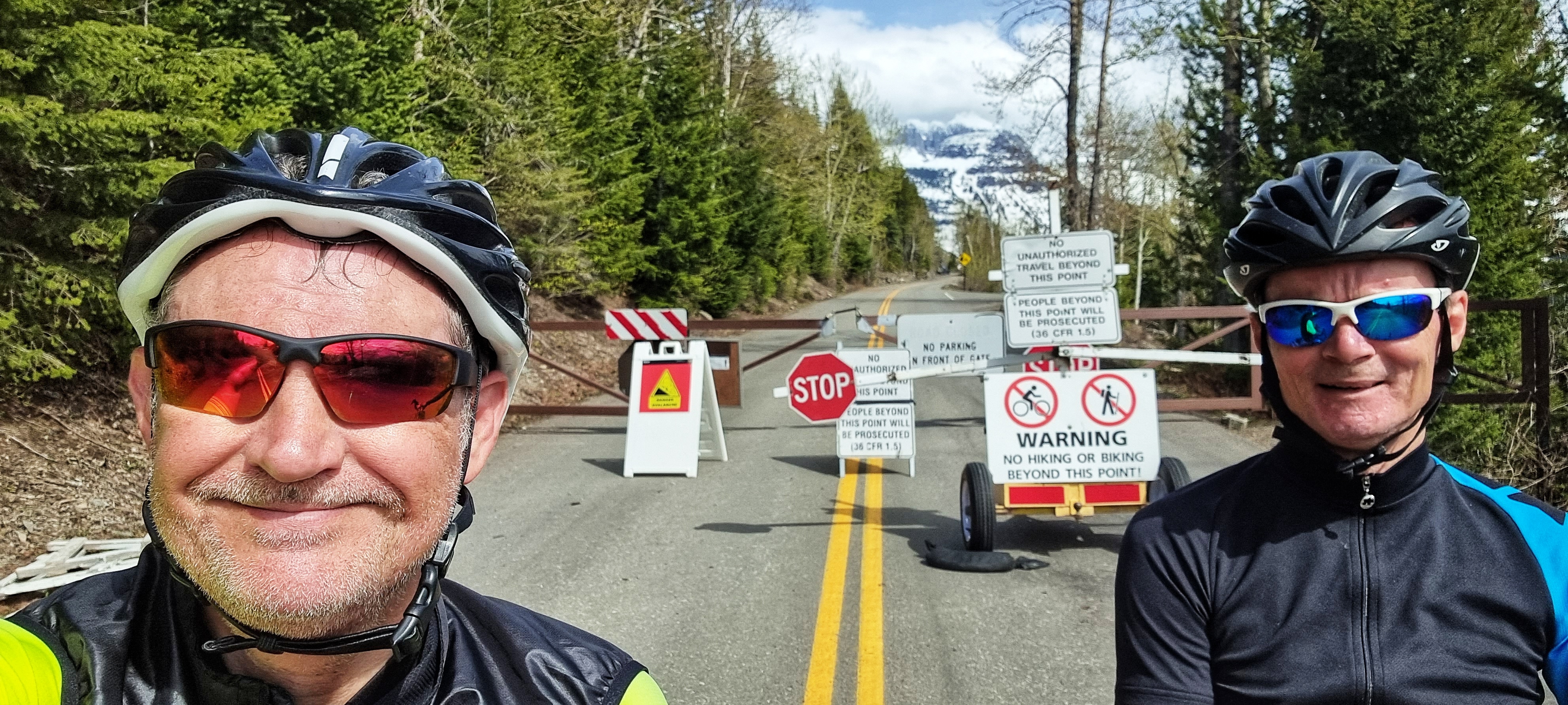
We arrived at the Ranger Station & each bought an America The Beautiful annual pass which gives us access to all the National Parks we plan to visit on our adventure. The Ranger who served us was a genuinely enthusiastic advocate of GNP & answered all my questions about how far up the Going To The Sun Road (GTTSR) motorists & cyclists could travel at the moment & when the Pass may be open. The answers to both questions appear later!

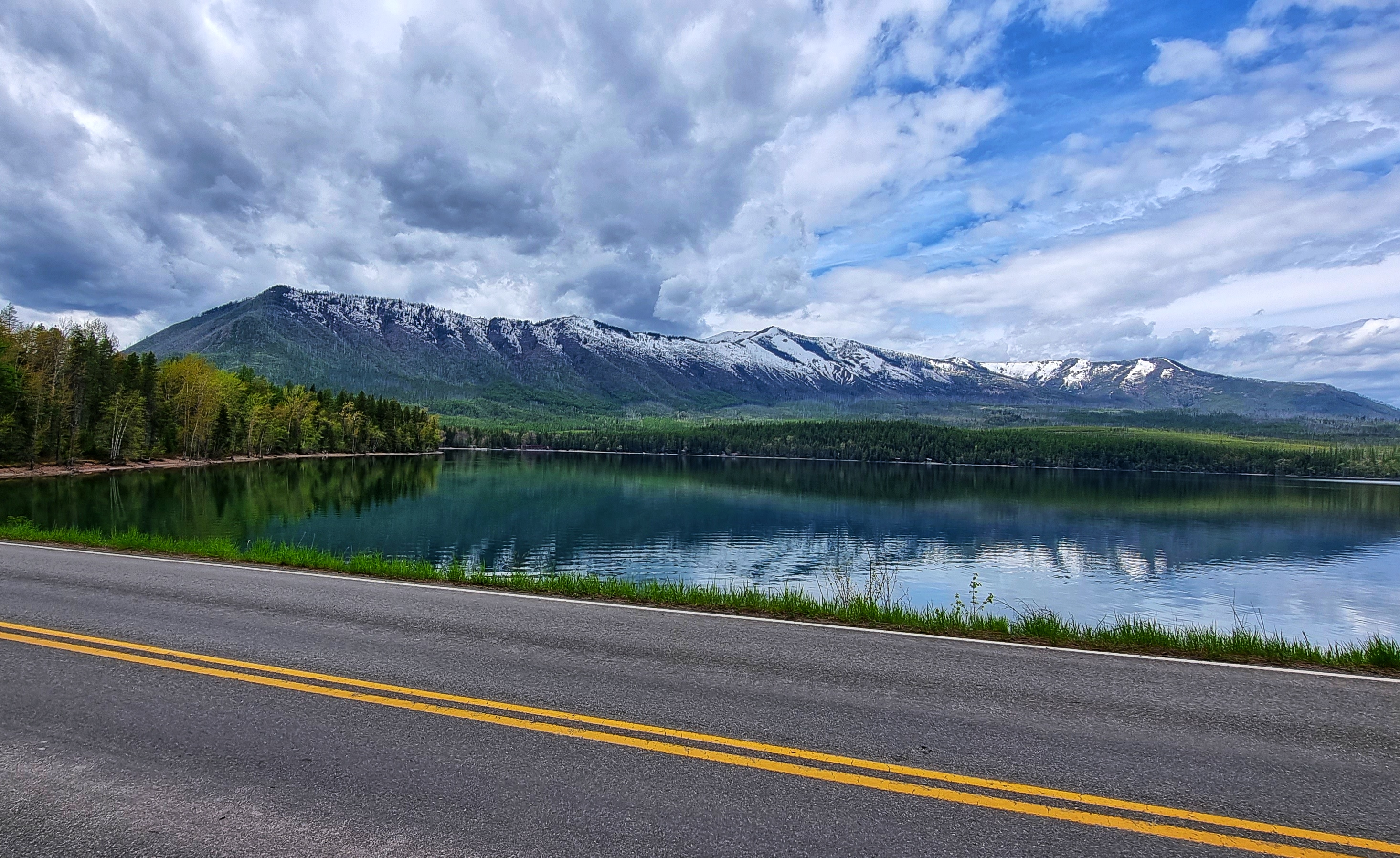
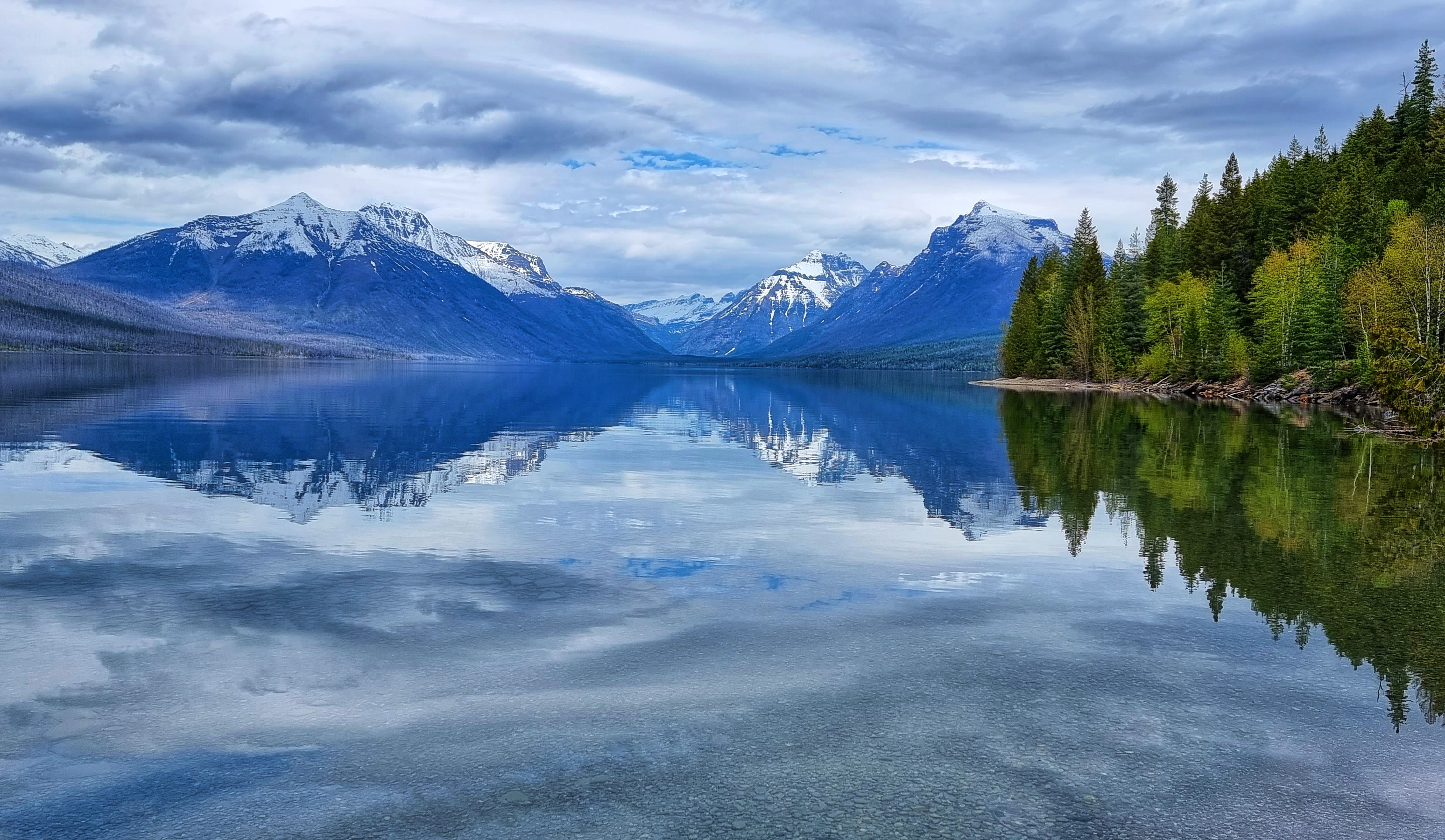
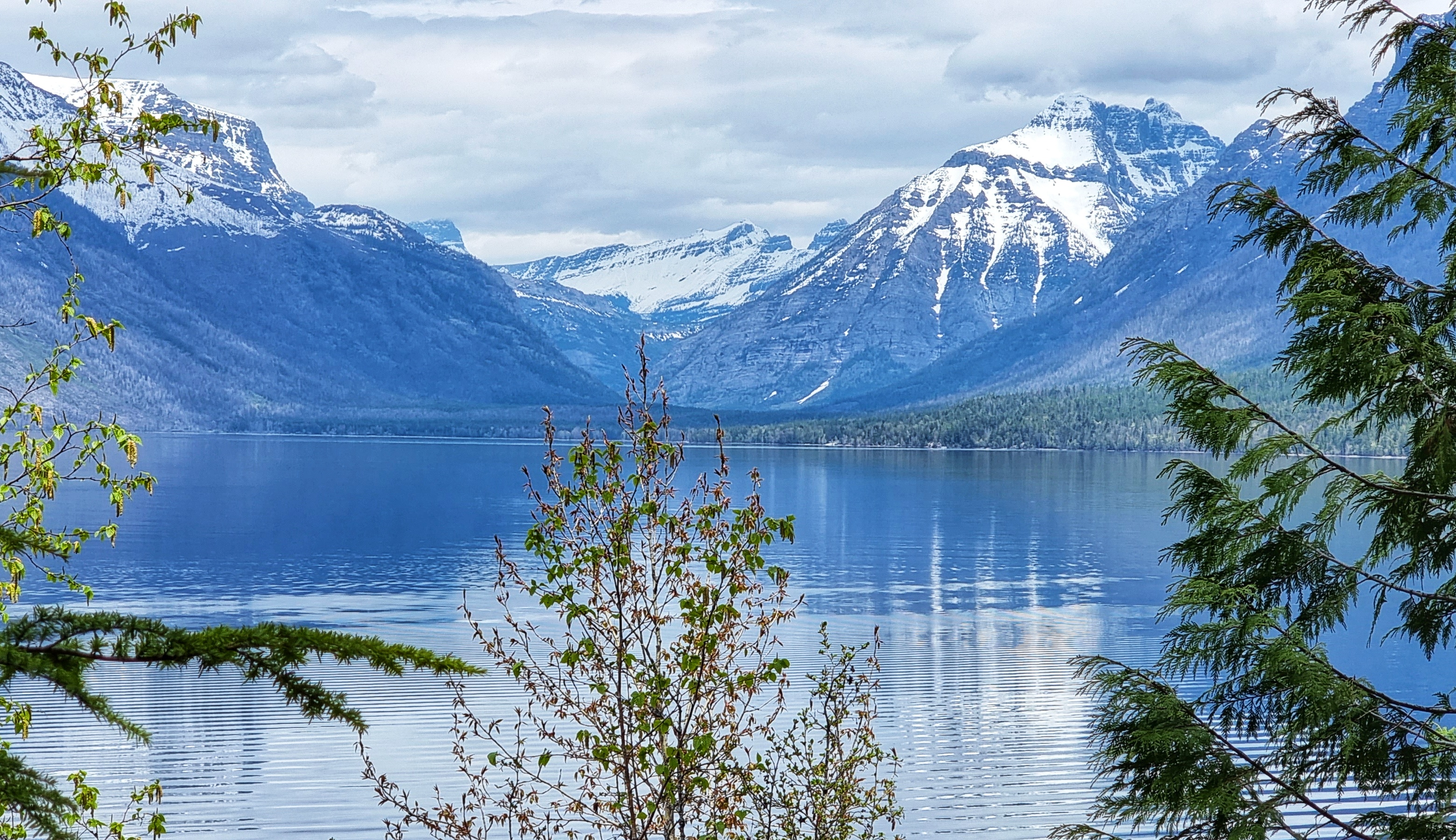
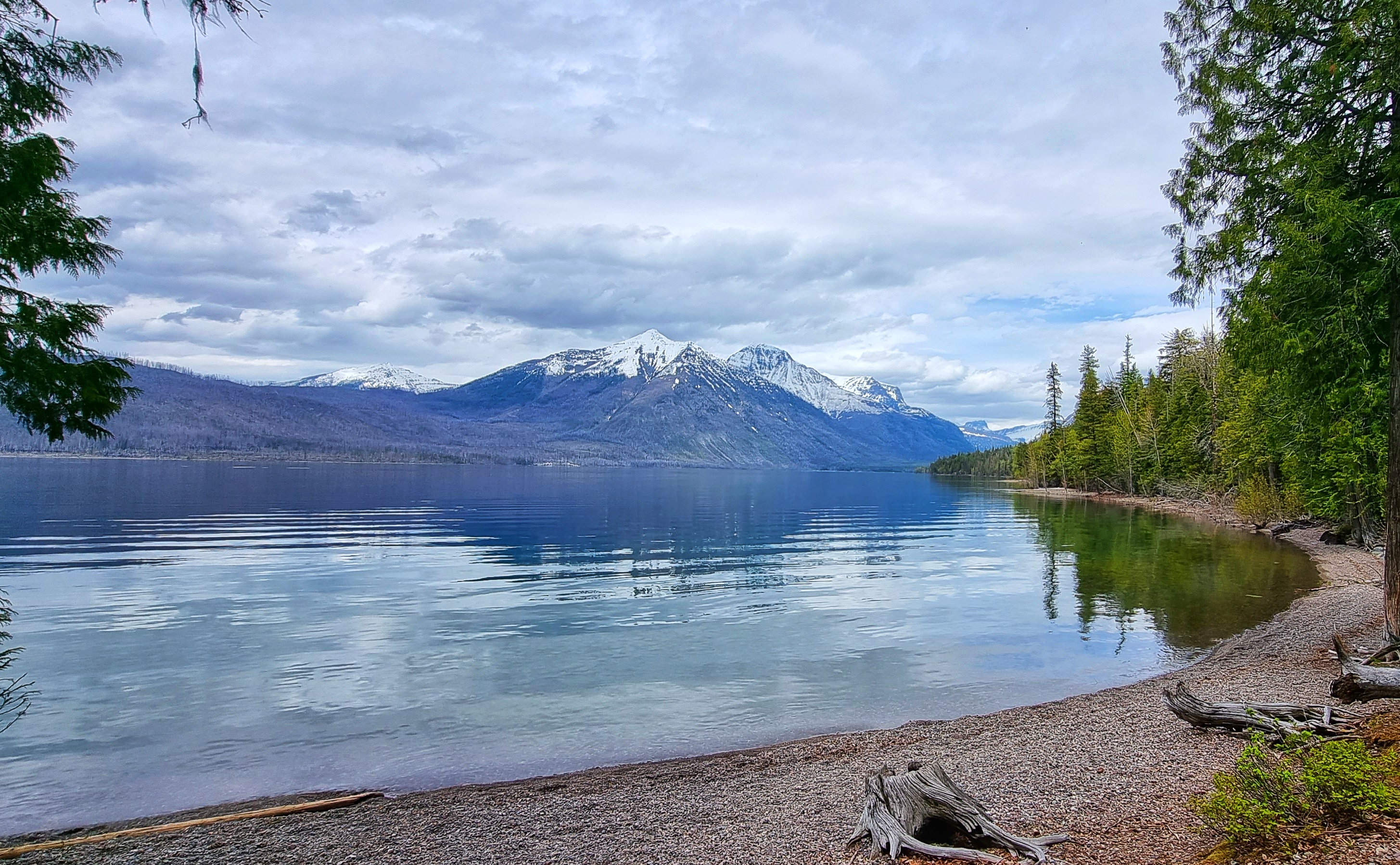
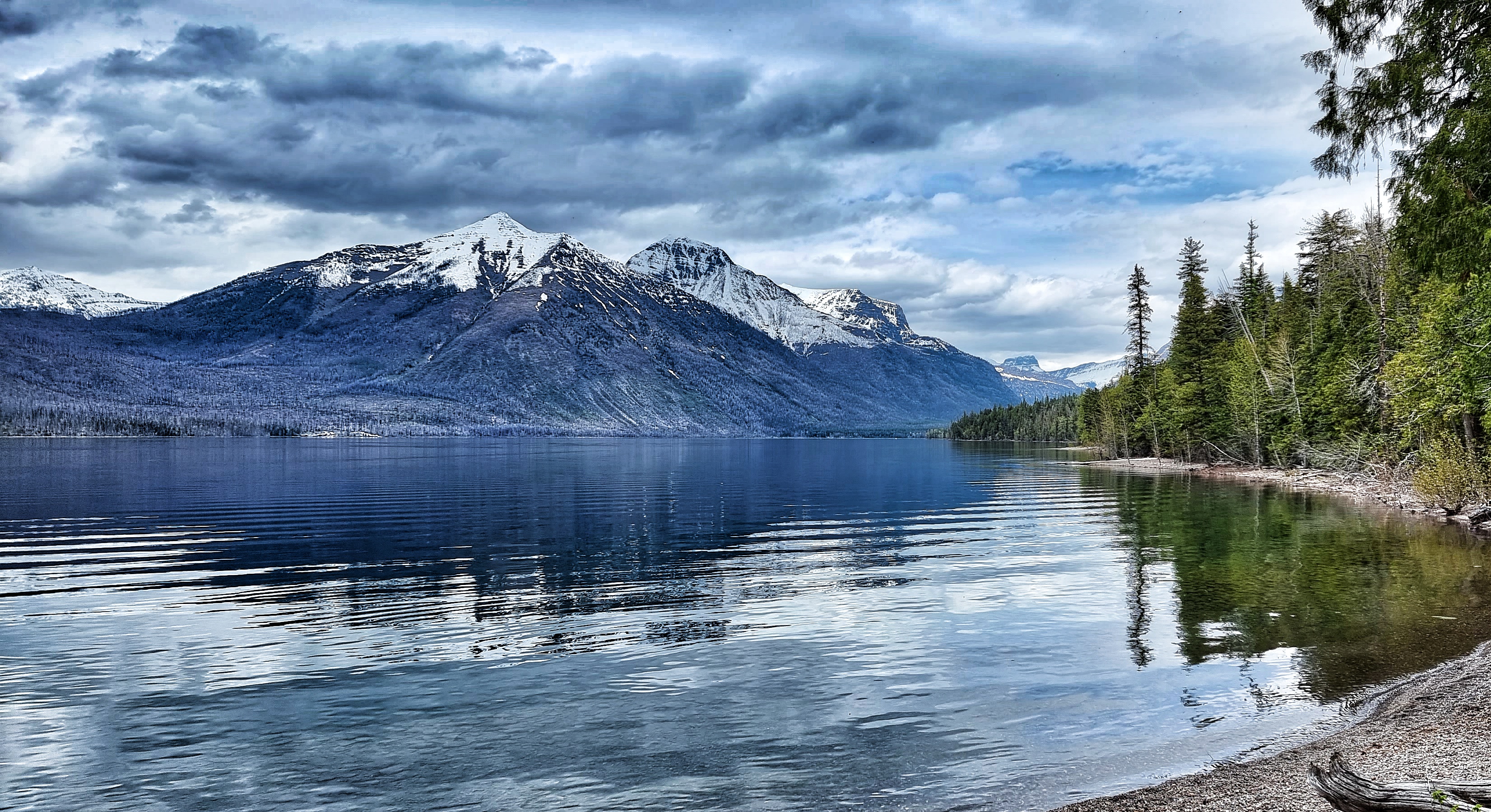
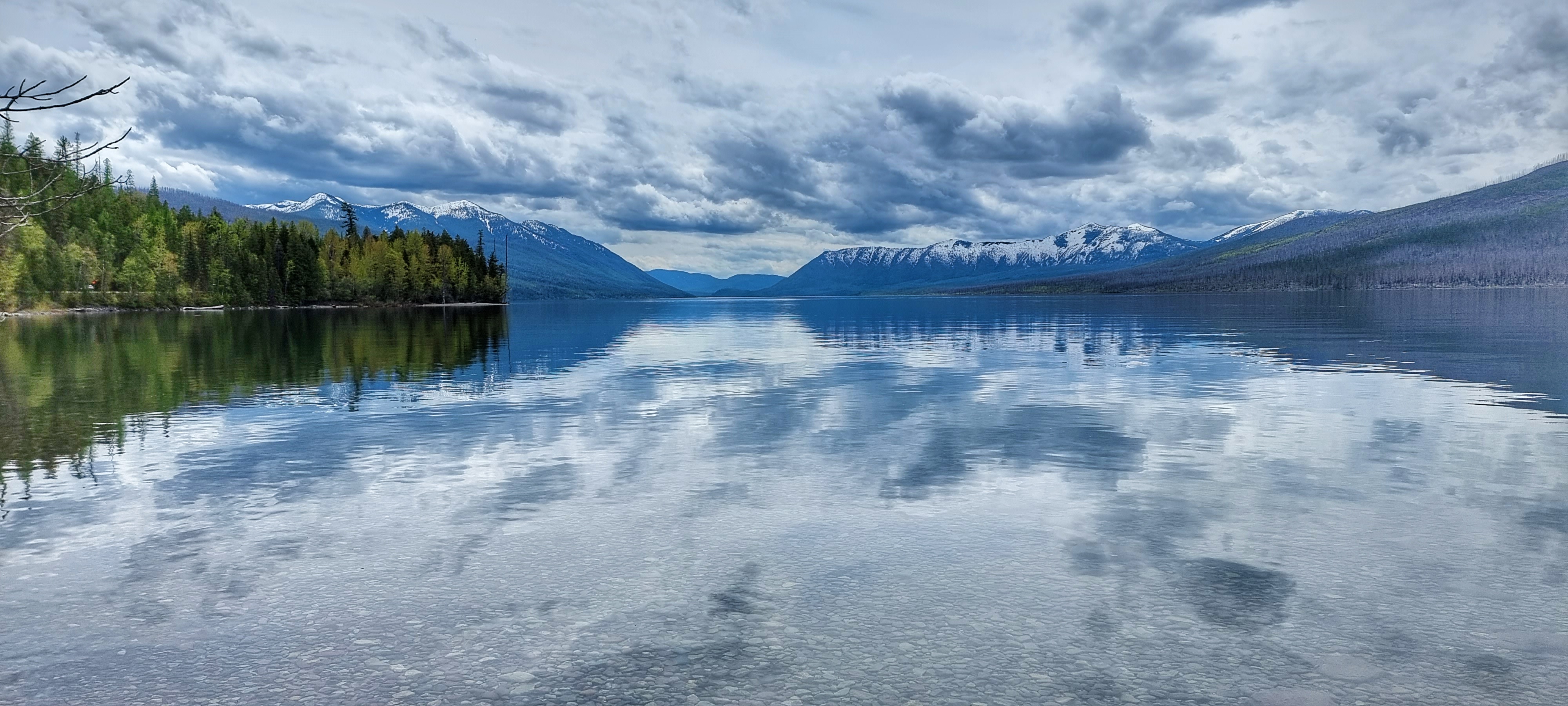
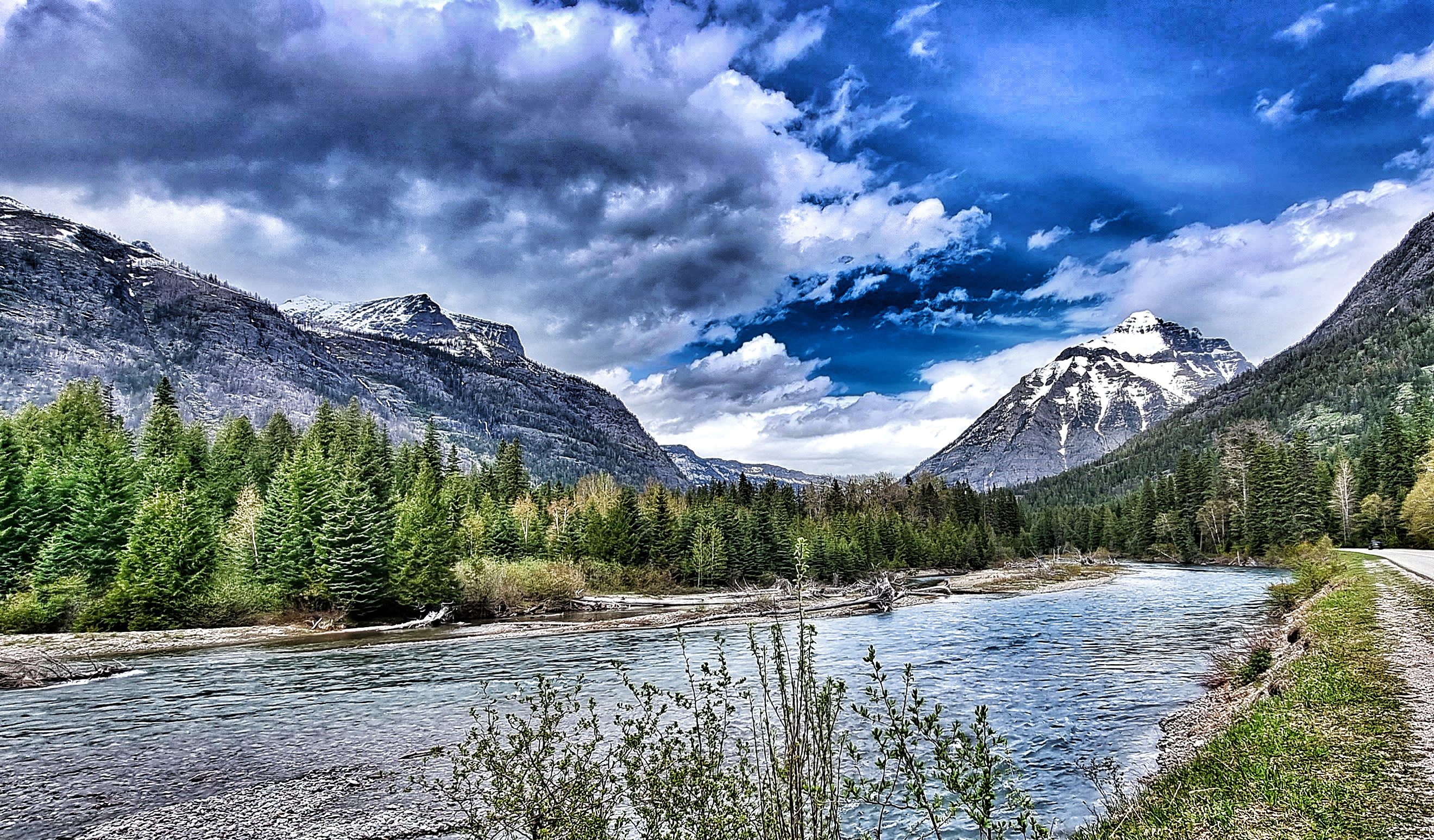
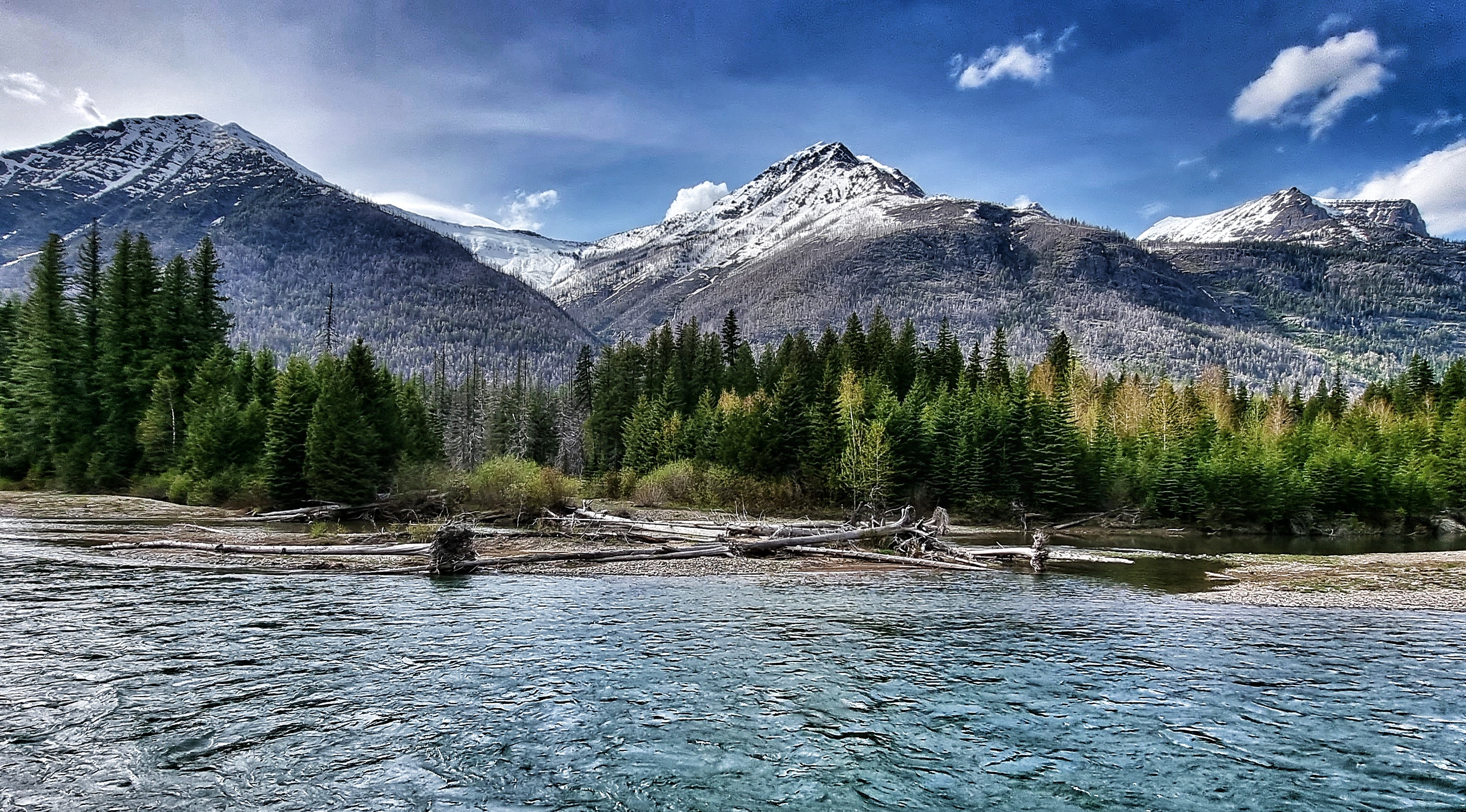
We took the right fork at Apgar which followed the GTTSR, taking us along the edge of Lake McDonald – we’d been told the scenery & vistas were something to behold, but I was still completely taken aback as we got our first views of the snow-capped mountains. The blue skies with fluffy cloud cover & mirror-like lake added to the spectacle.

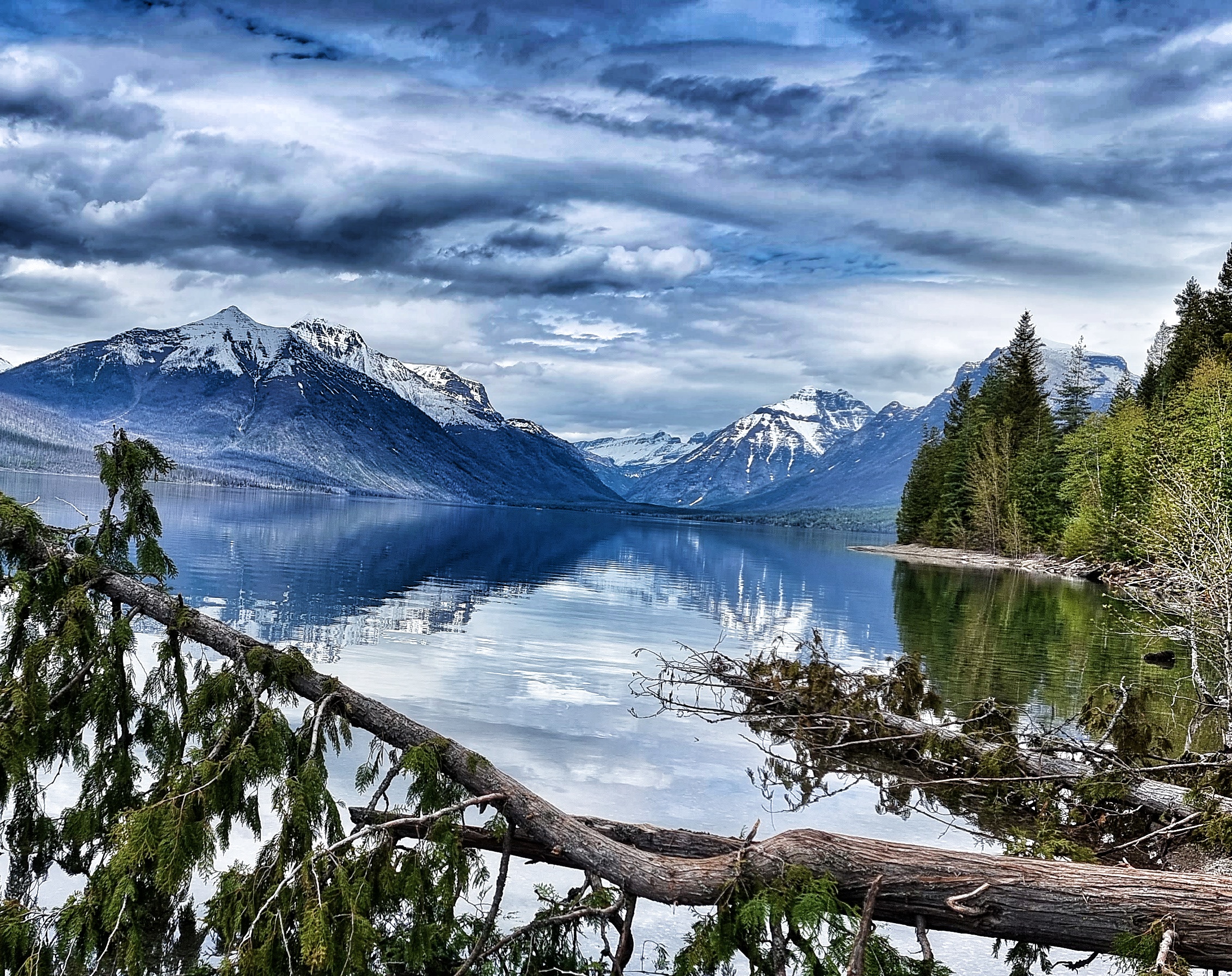
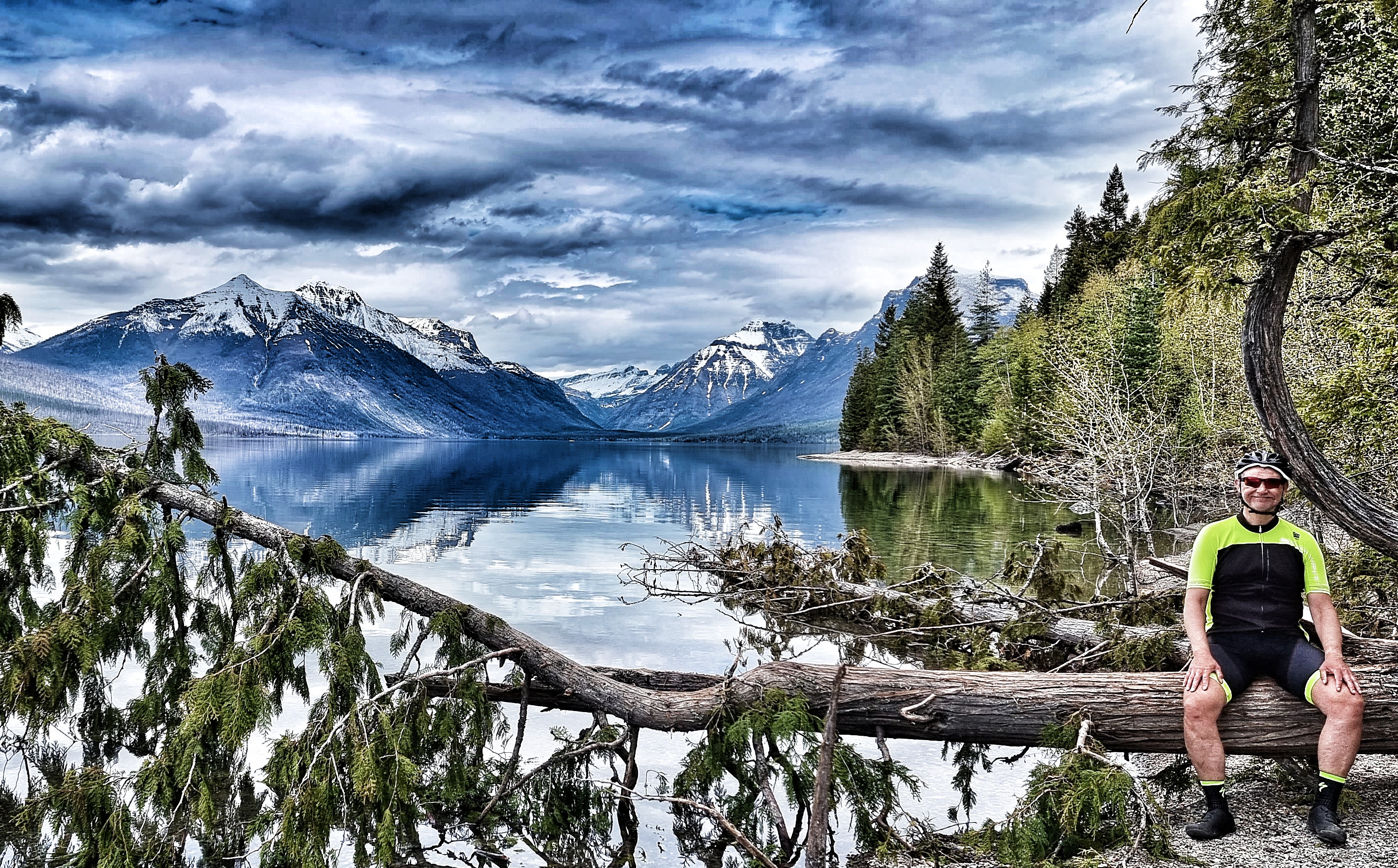
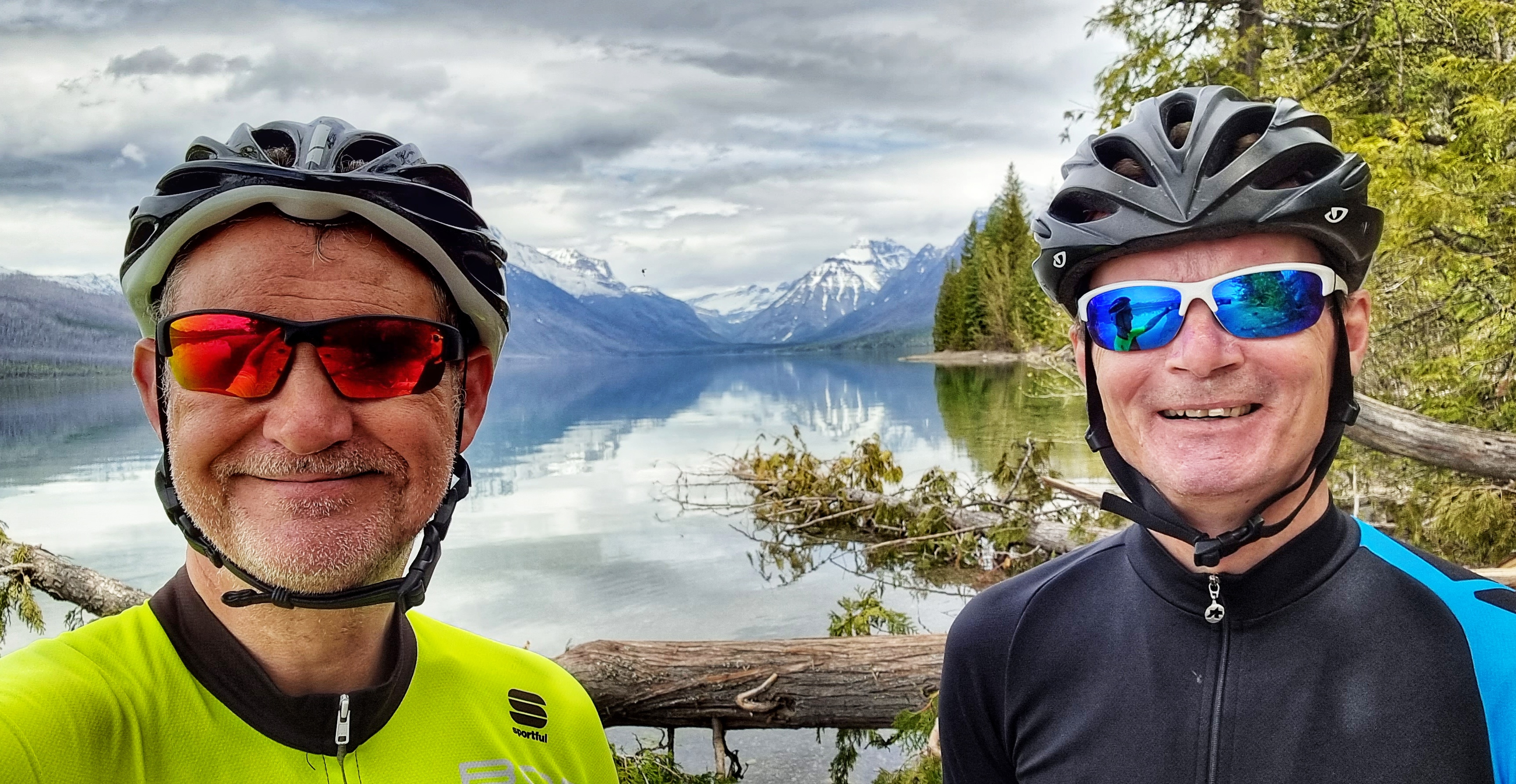
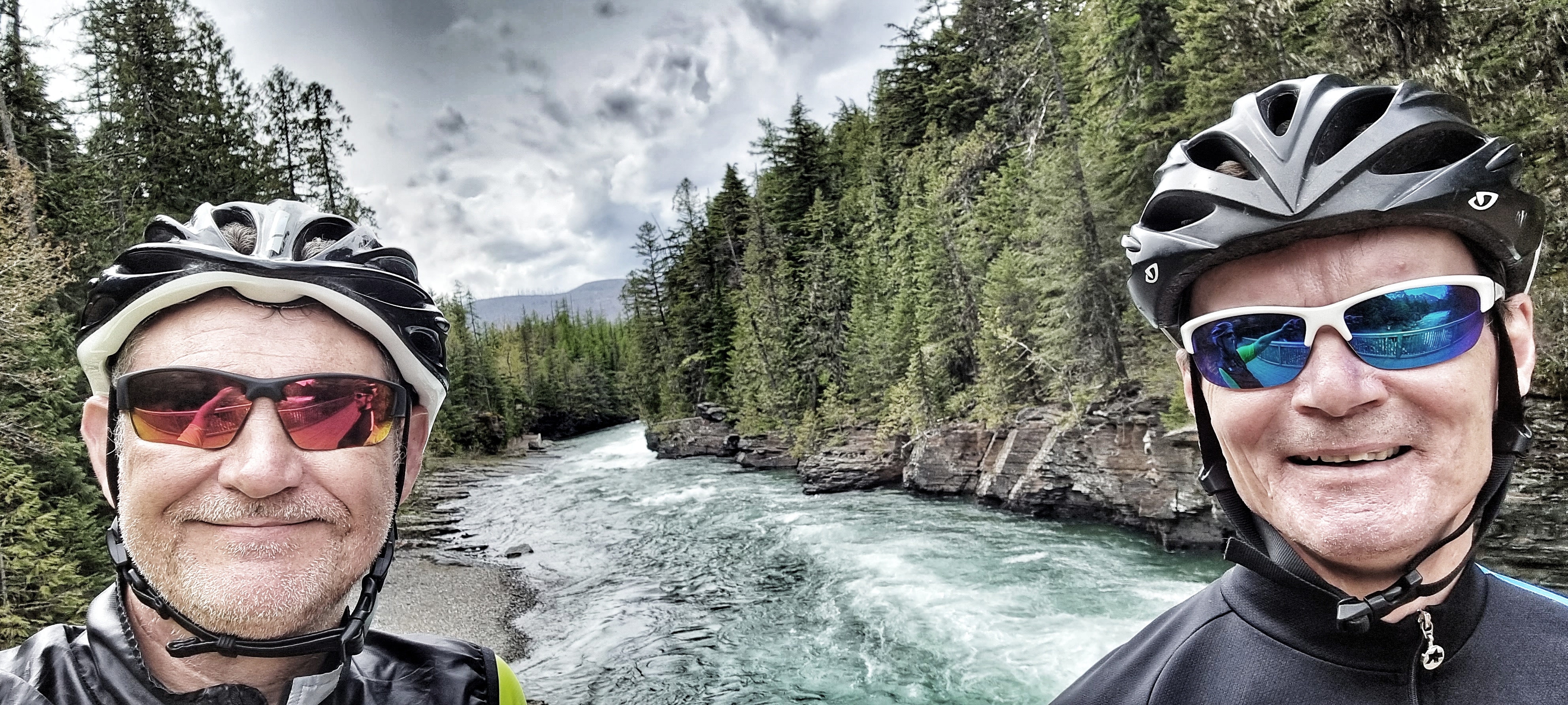
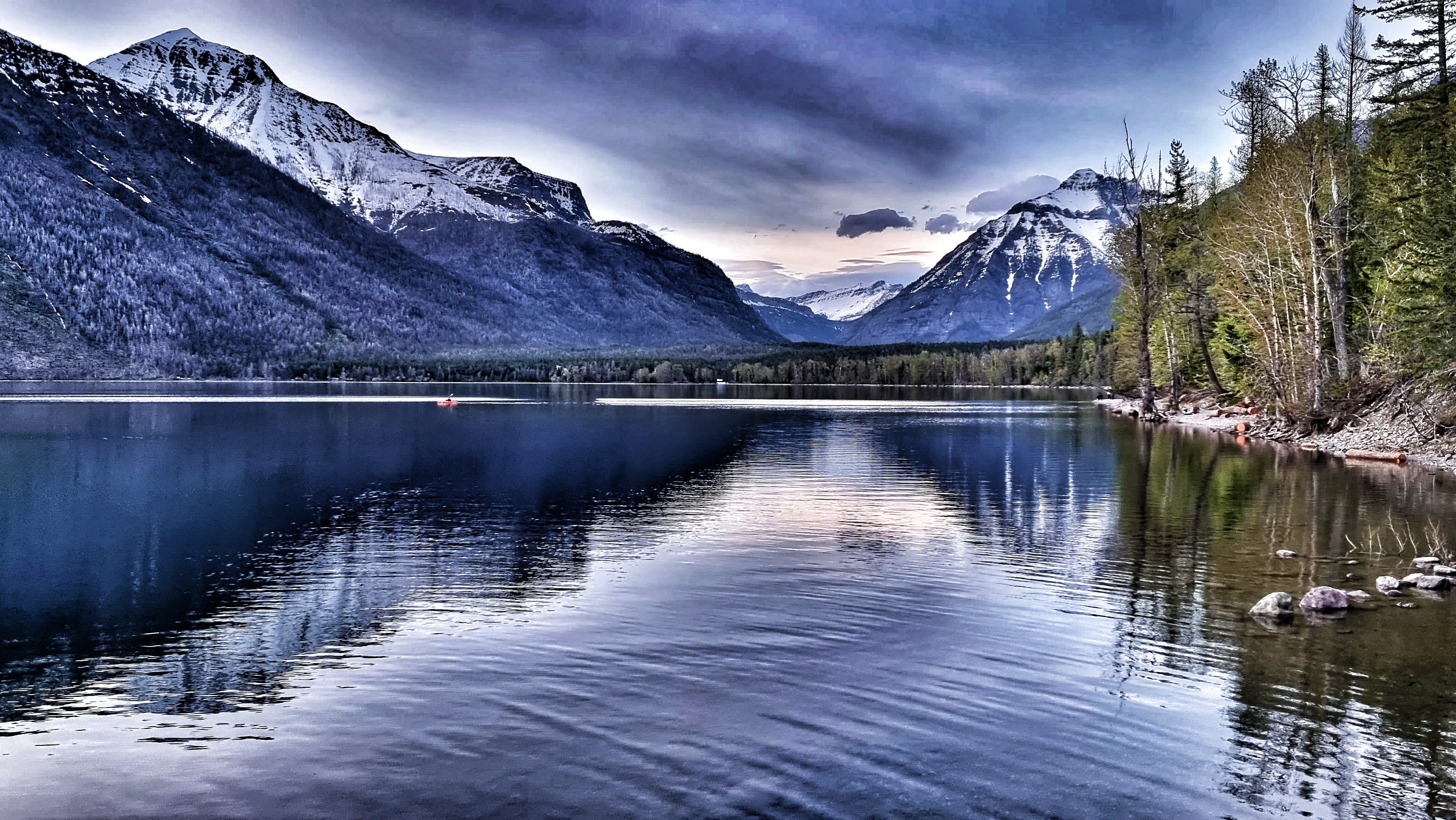
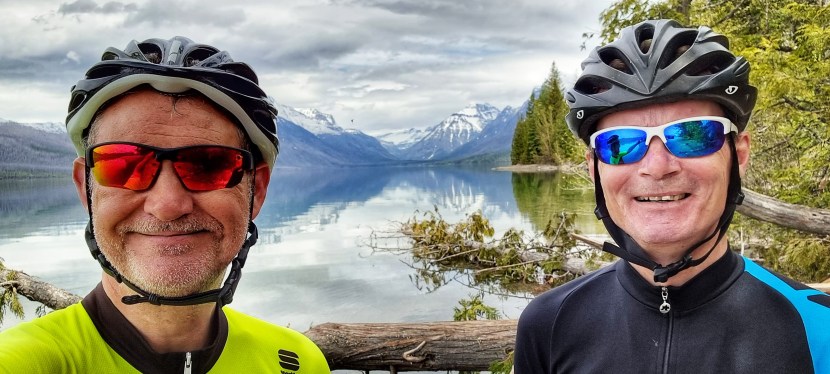
At the next viewpoint I had the opportunity to capture the breath-taking view looking up the lake towards Heavens Peak & Bishops Cap. Apologies for the ugly mugs that rather ruin the 2nd & 3rd photos!

The views changed at each of the viewpoints I stopped at – although these next photos were taken less than a mile from those above, the panoramas are quite different. Lake McDonald was created when a slow moving river of ice 2,000 feet thick moved down the valley. It scoured the rock & transported rubble at its edges. When the glacier receded about 10,000 years ago, it left behind rubble & rock that dammed the McDonald Creek – this is the end result, at 472 feet, it’s the deepest lake in GNP.

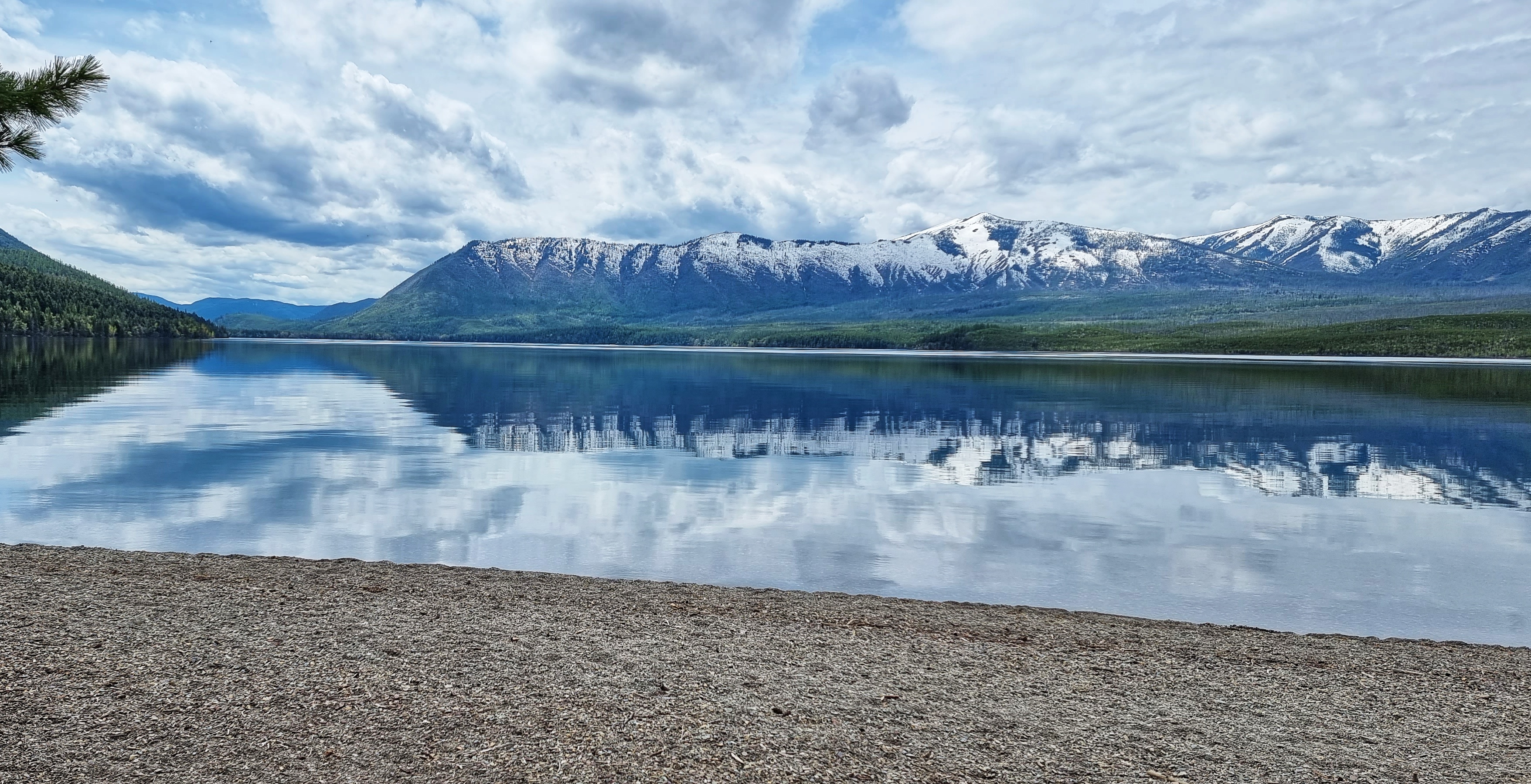
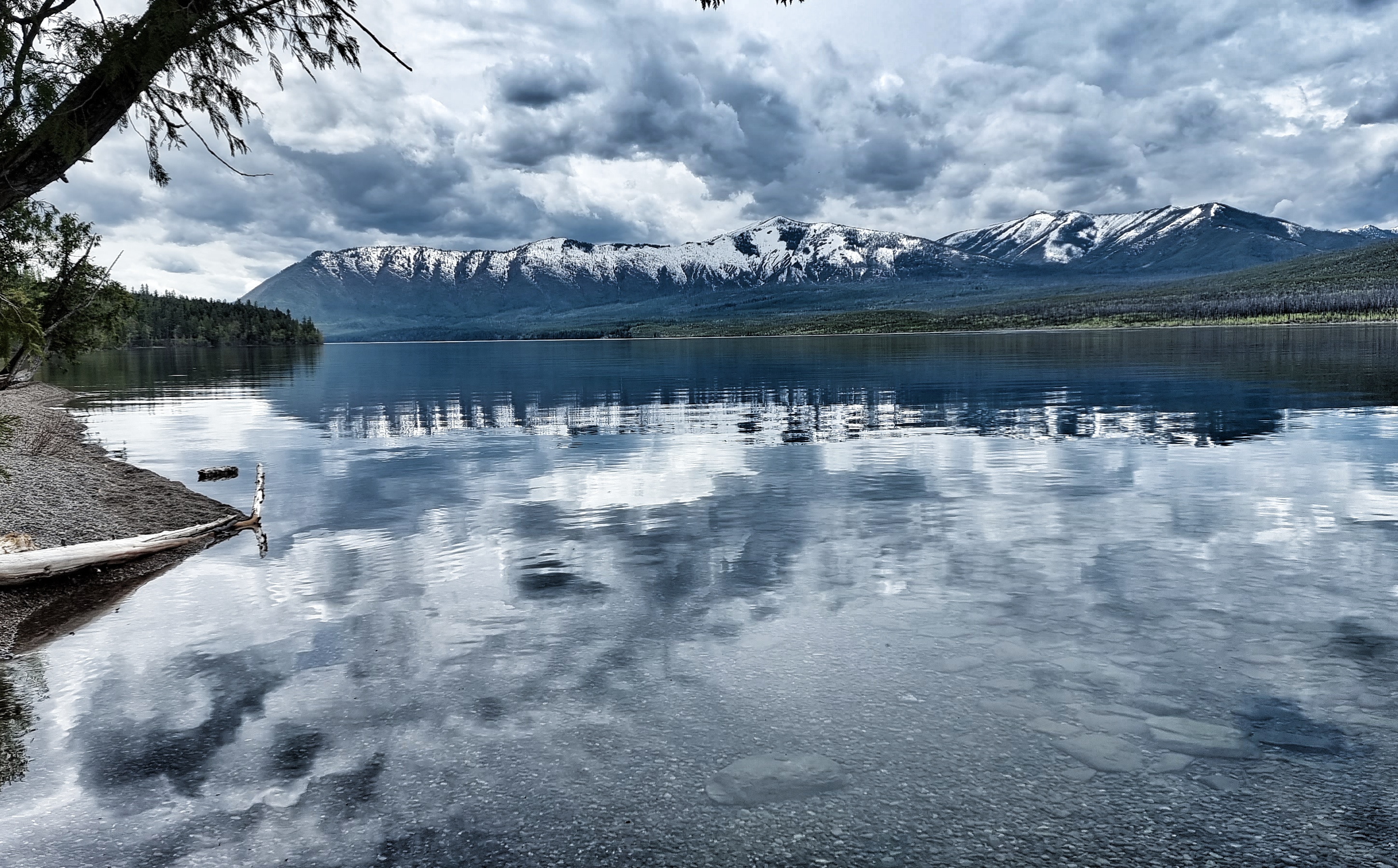
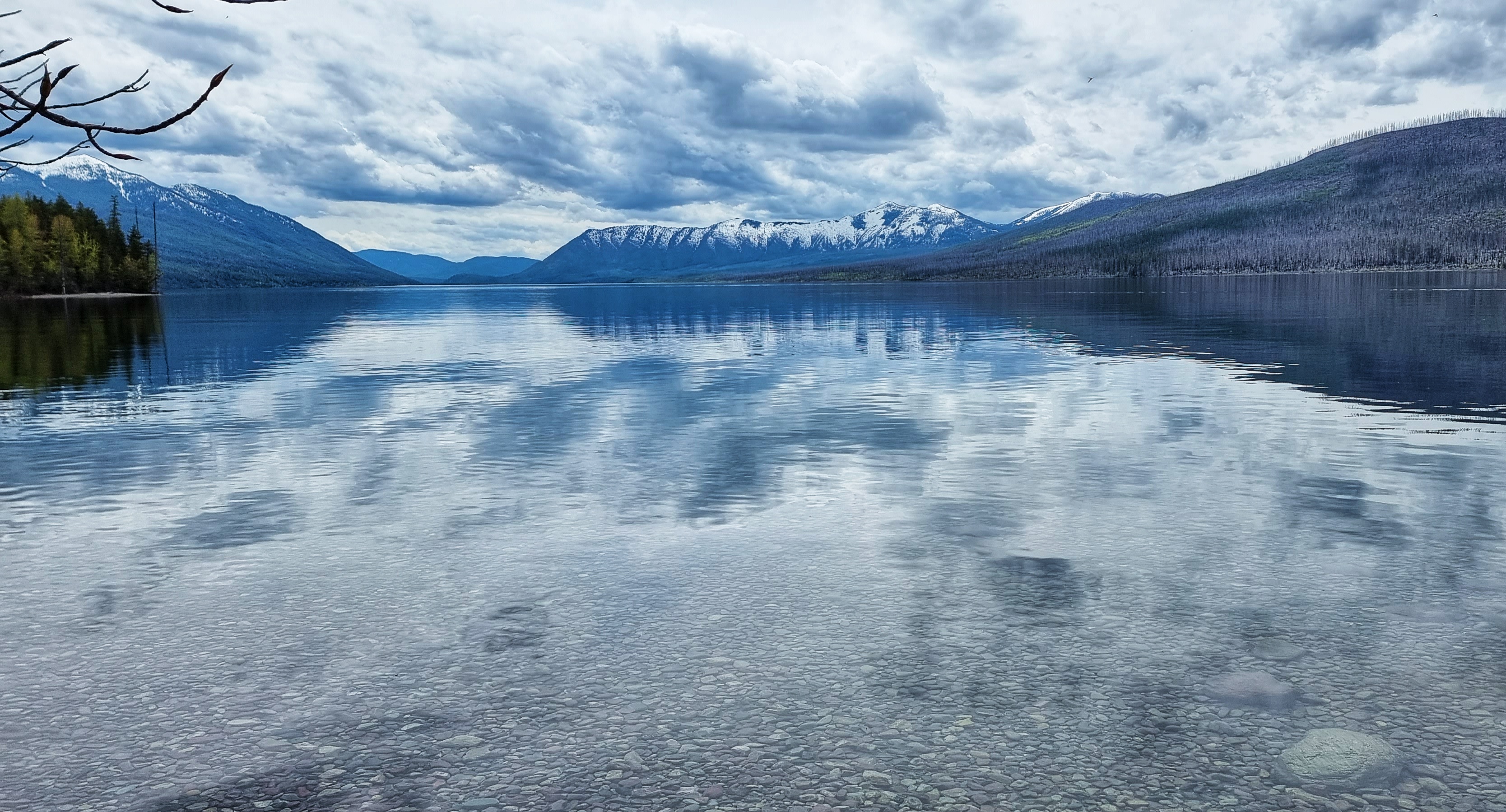
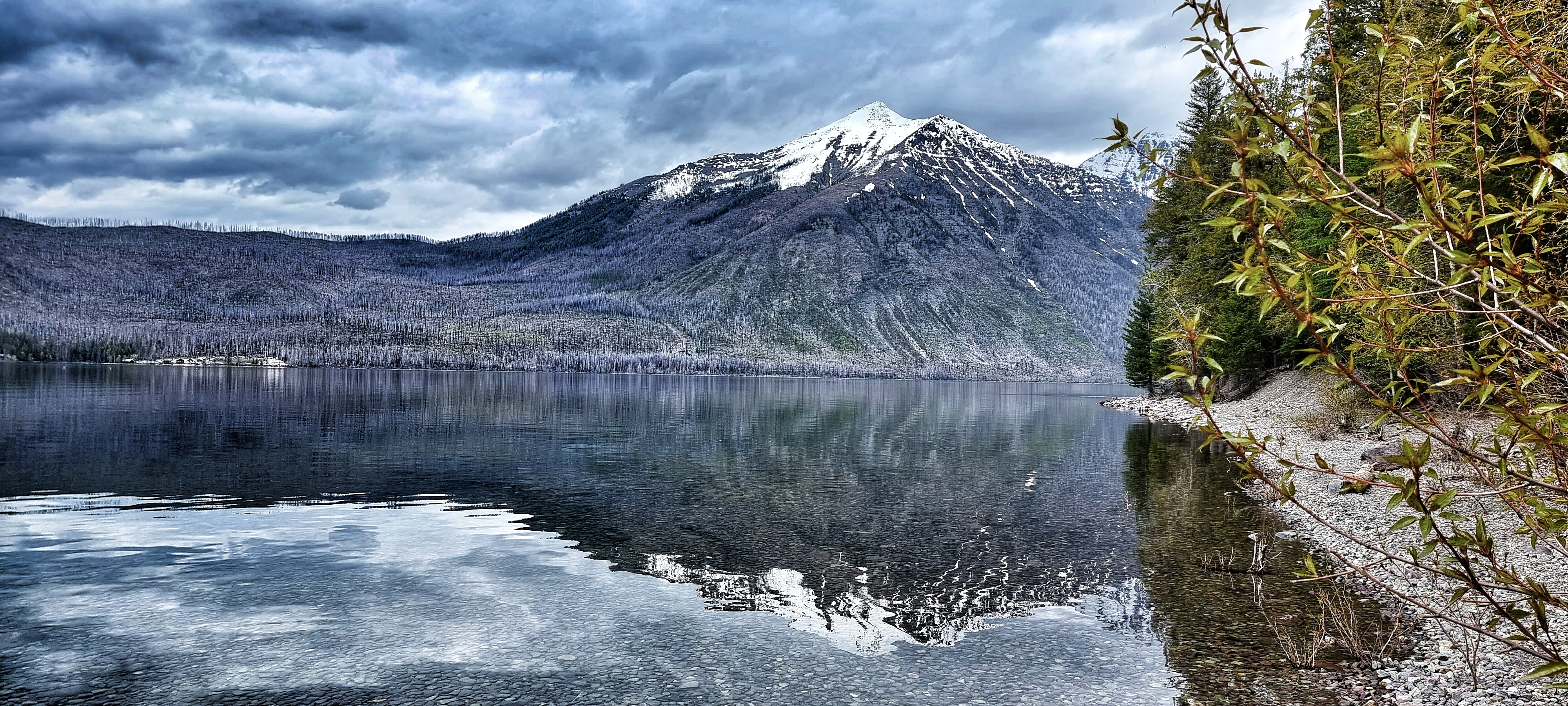
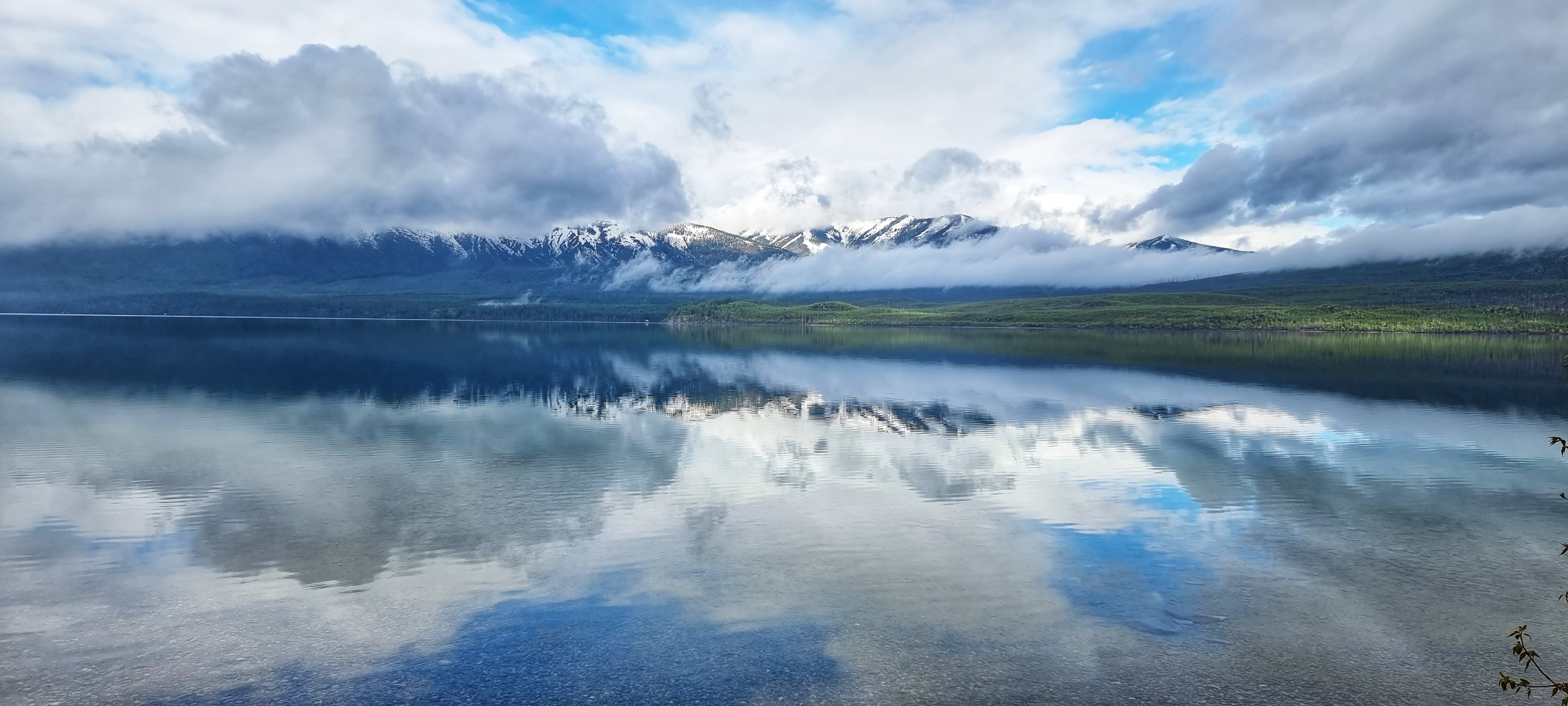
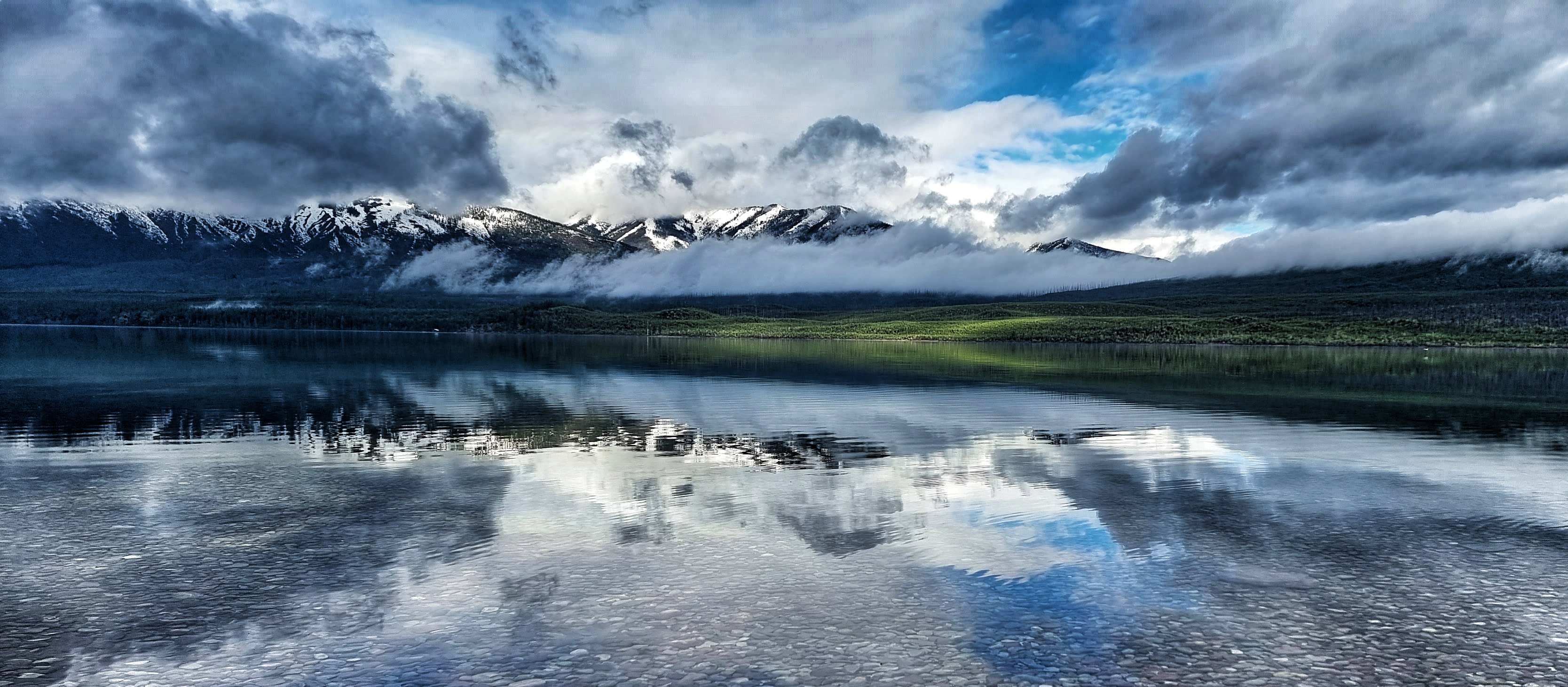
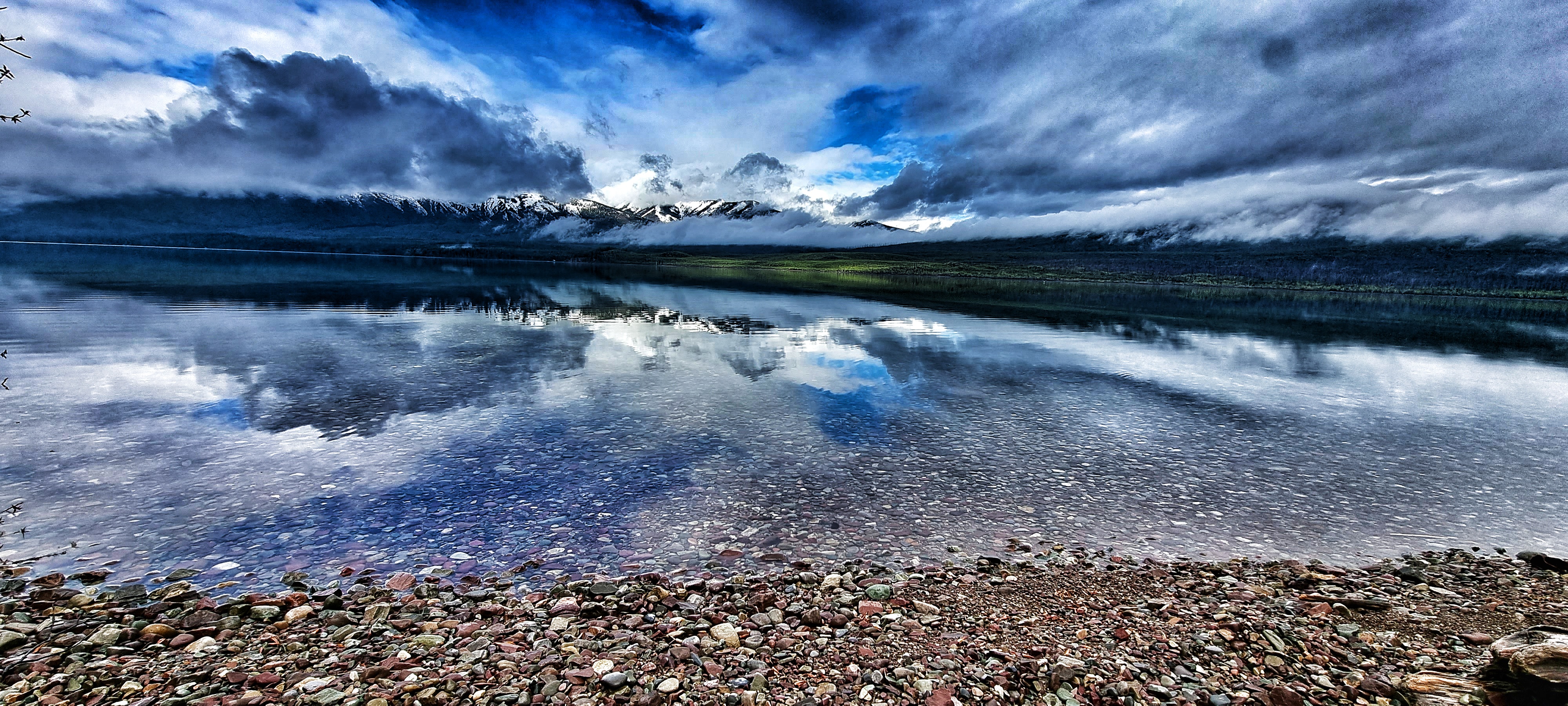
As we continued along the shoreline, there were lookouts where it was possible to get down to small pebble beaches. This low down, the lake almost acted as a mirror, reflecting the glorious views above it.

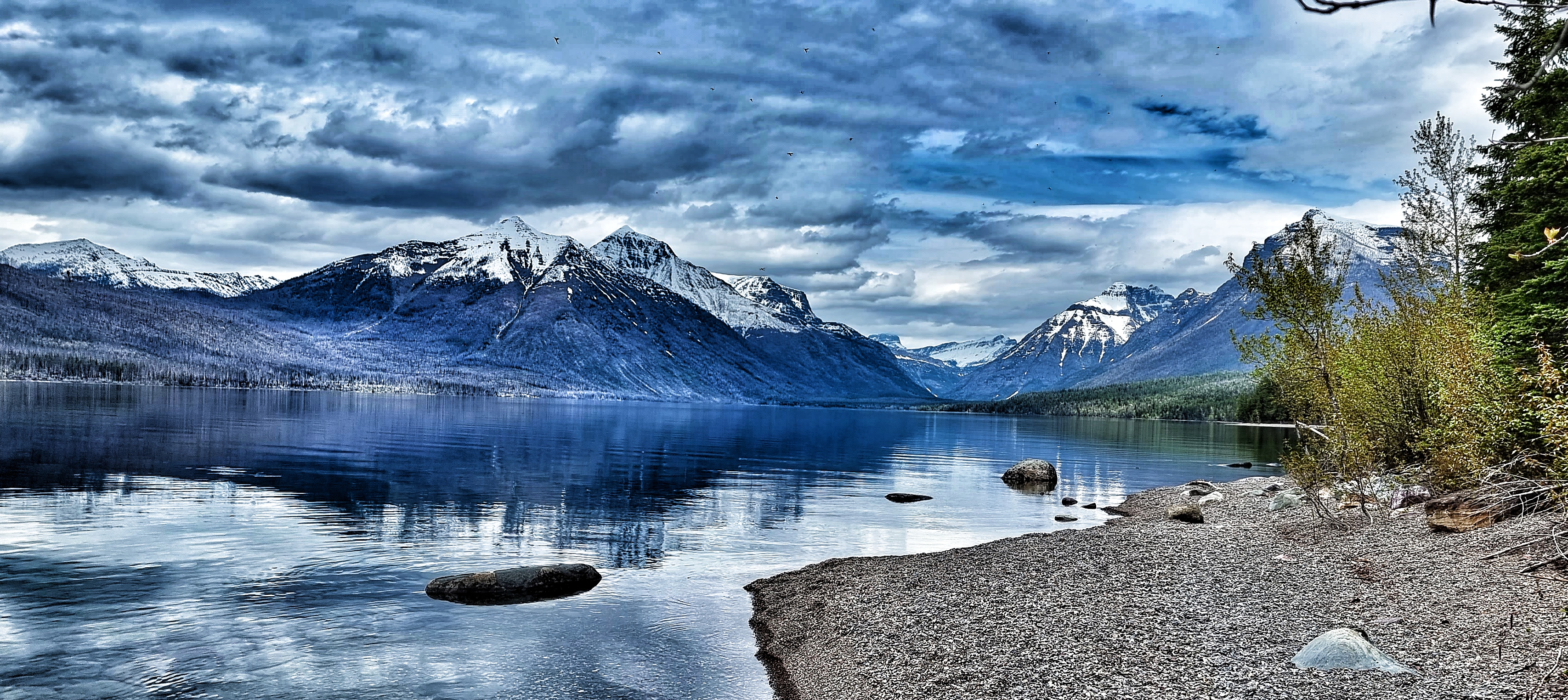
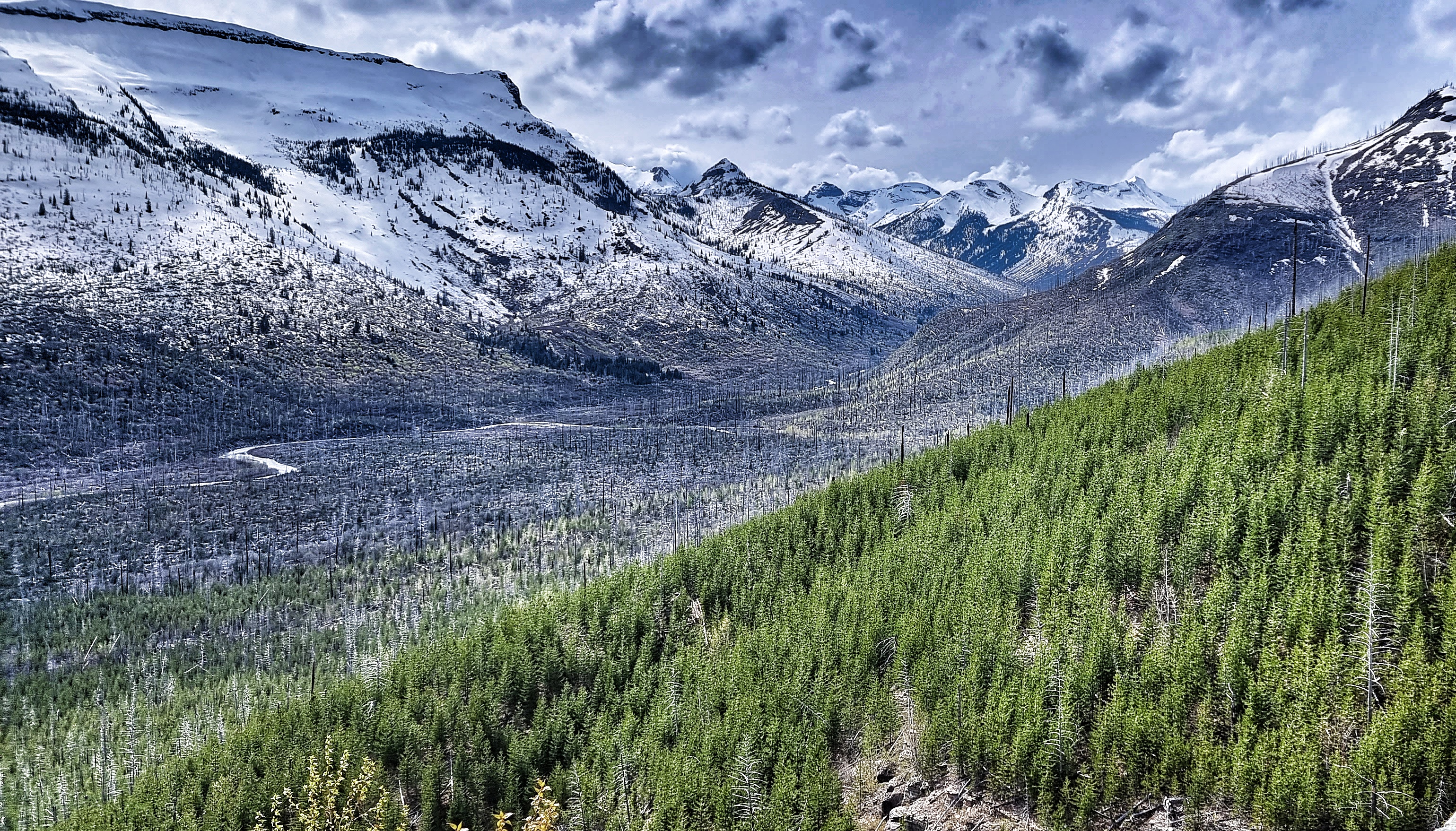
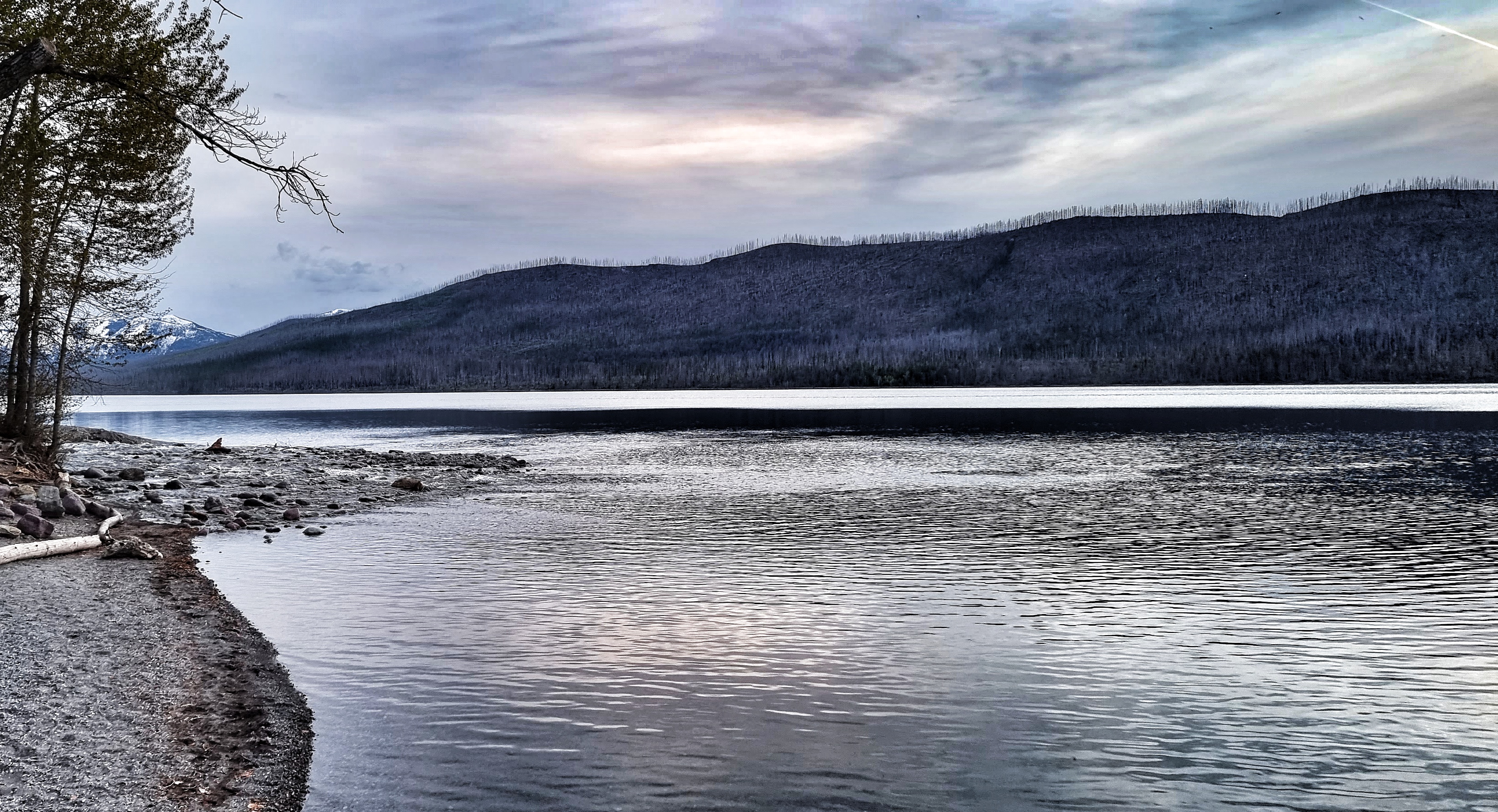
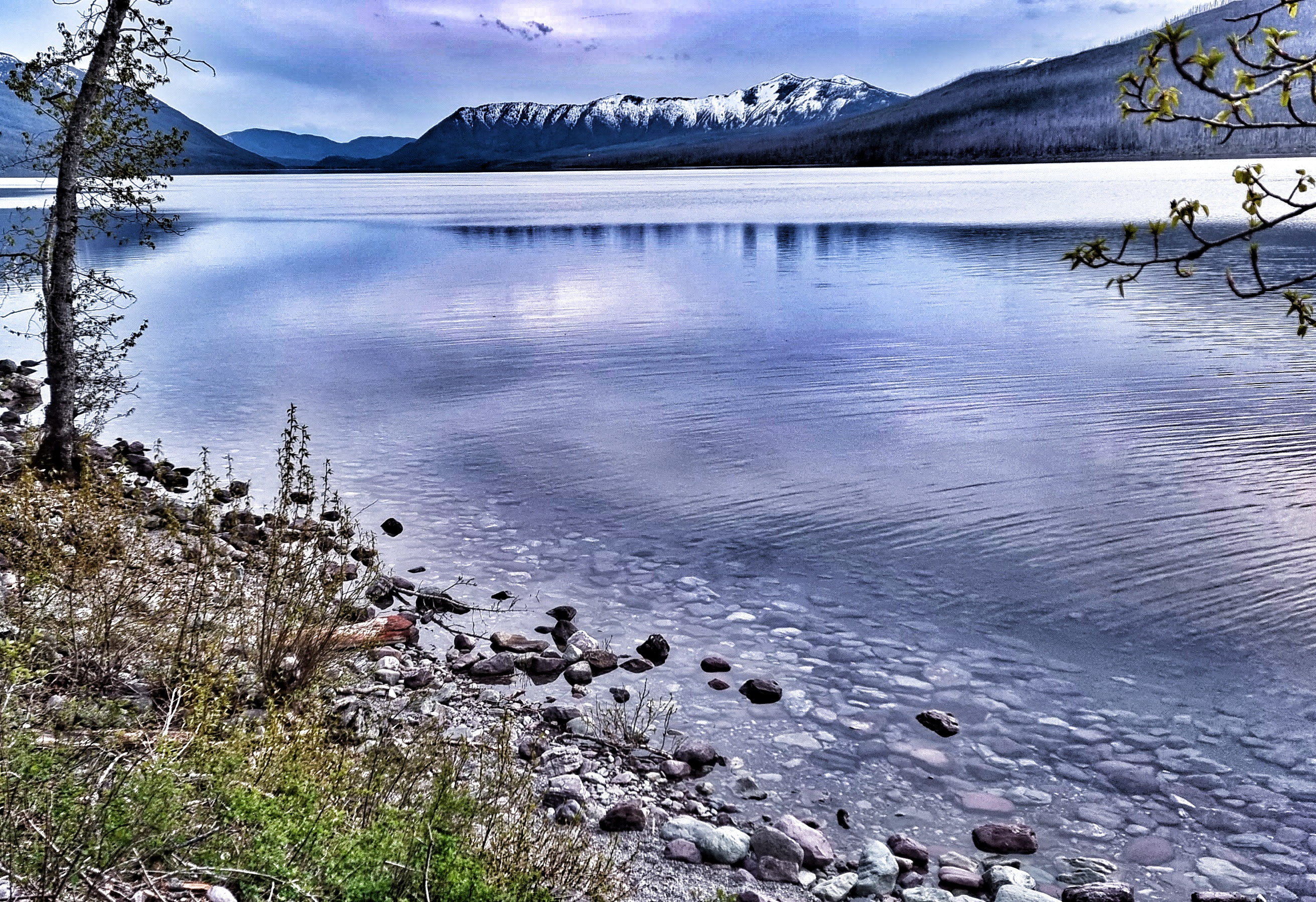
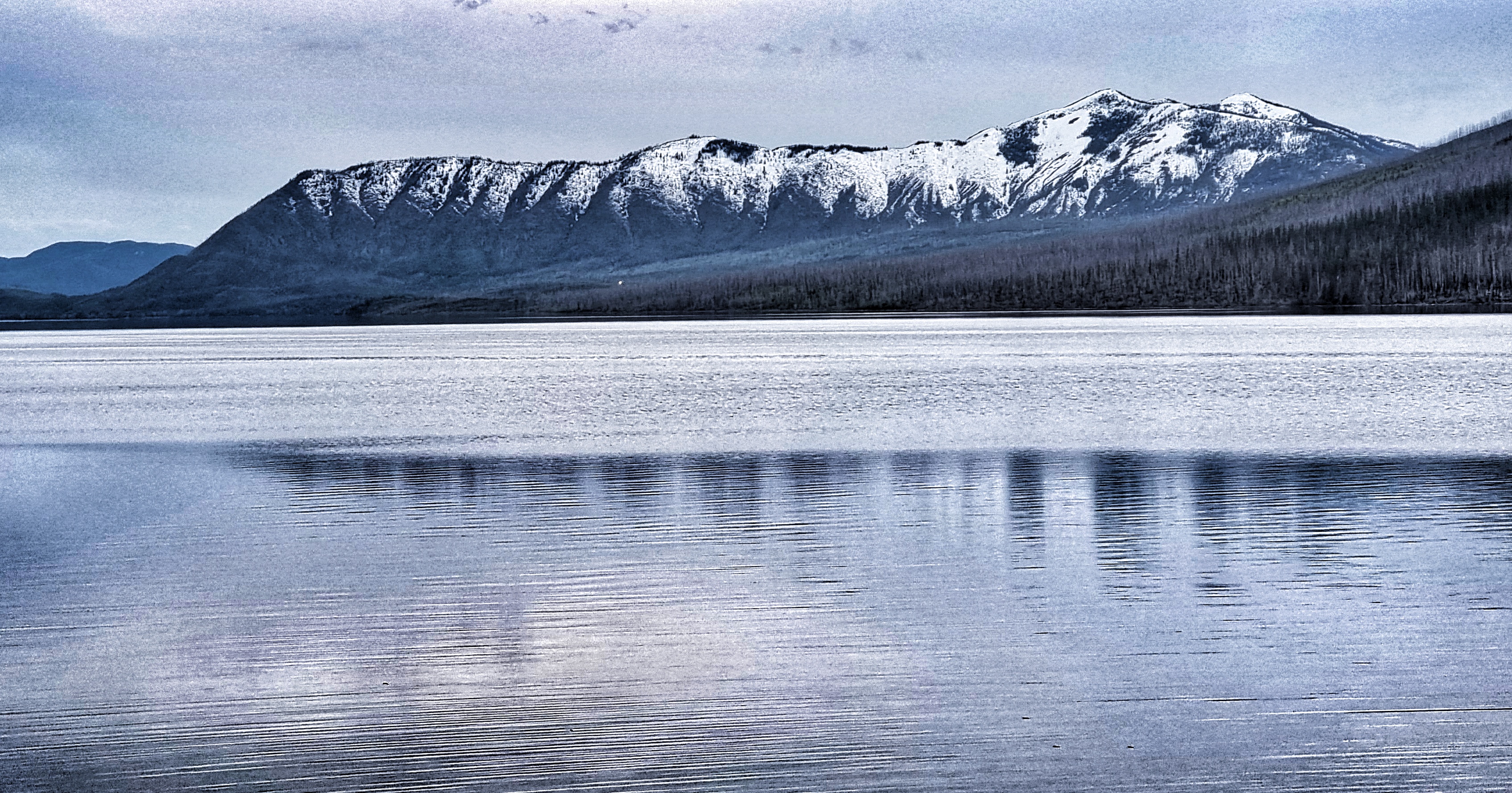
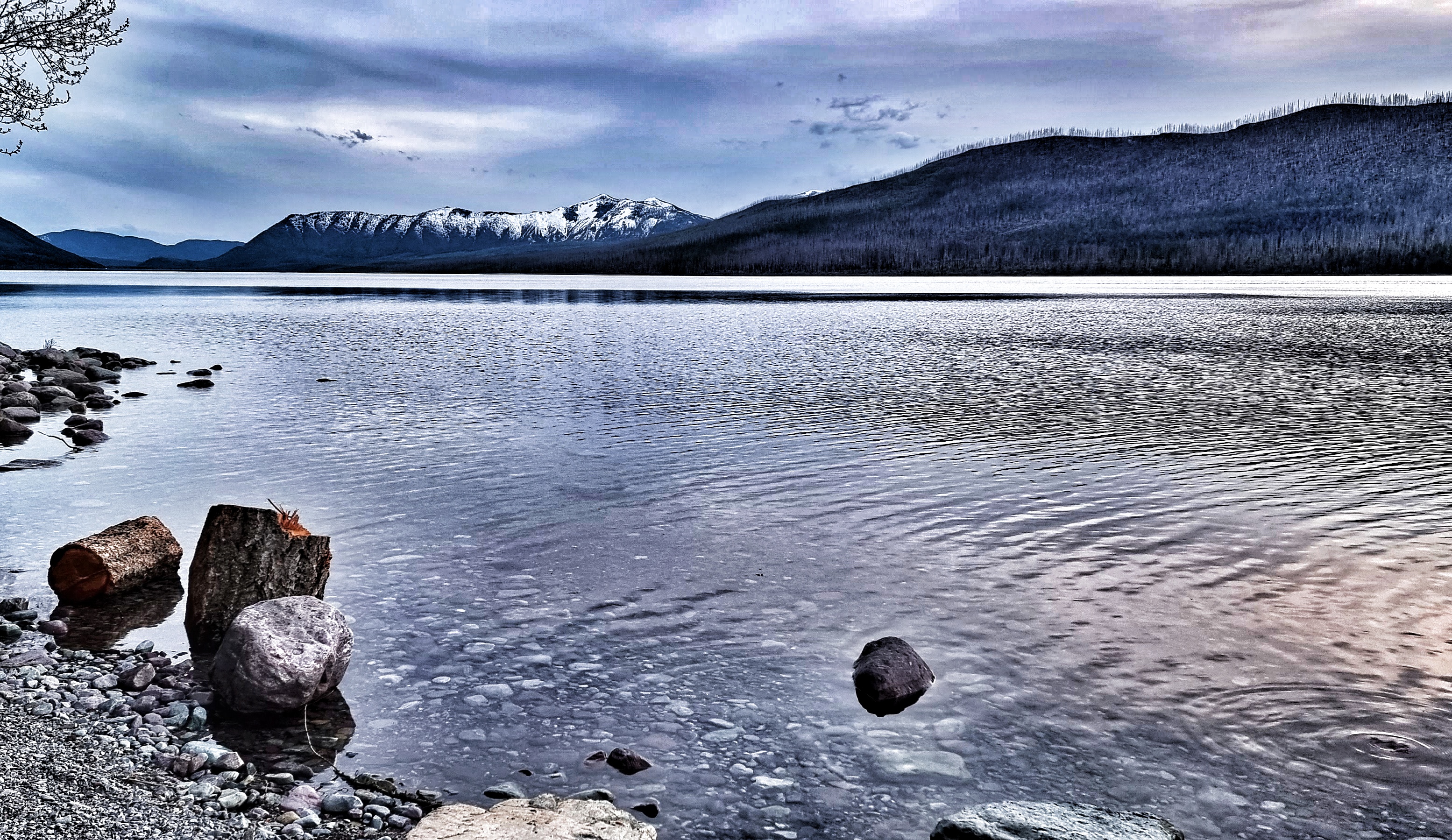
There was one beach that provided end to end views of Lake McDonald, as well as the surrounding mountains & burnt forest on the opposite bank. There are wild forest fires on a regular basis & they are left to run their course naturally – the most recent event in 2018 was caused by lightning, burned 14,522 acres of forest & destroyed 13 residences. This is all part of nature’s way of ensuring the ecology of GNP continues to flourish.

We passed one final lookout spot on the way to our motel at Motel McDonald Lake (not to be confused with Lake McDonald Lodge, which was right next door!). This gave a panoramic view down the 10 mile length of the lake. I learned that fish found in the lake are both native (such as the westslope cutthroat & bull trout, as well as the mountain whitefish) & non-native species added between 1912 & 1970 (lake trout, lake whitefish & kokanee).

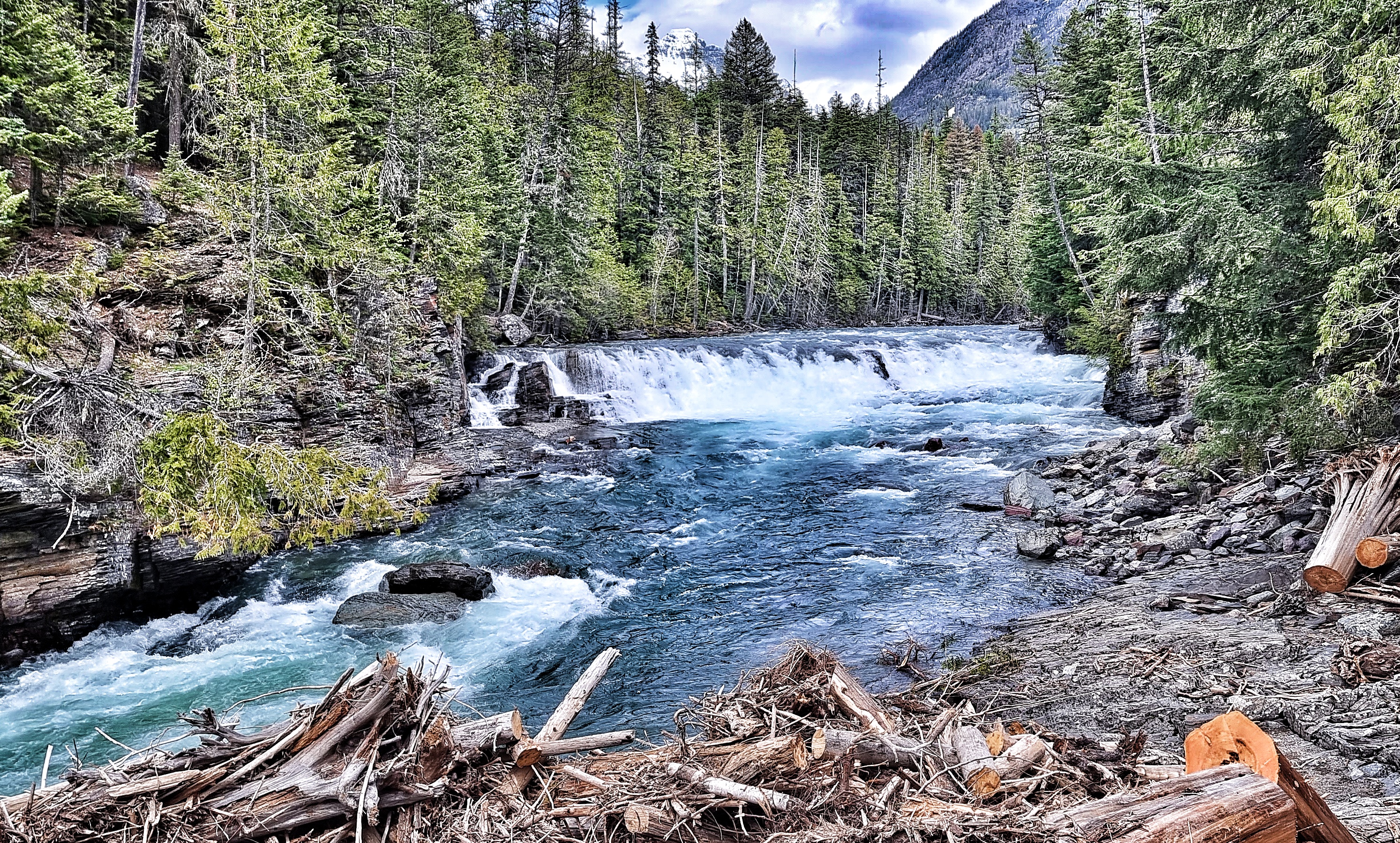
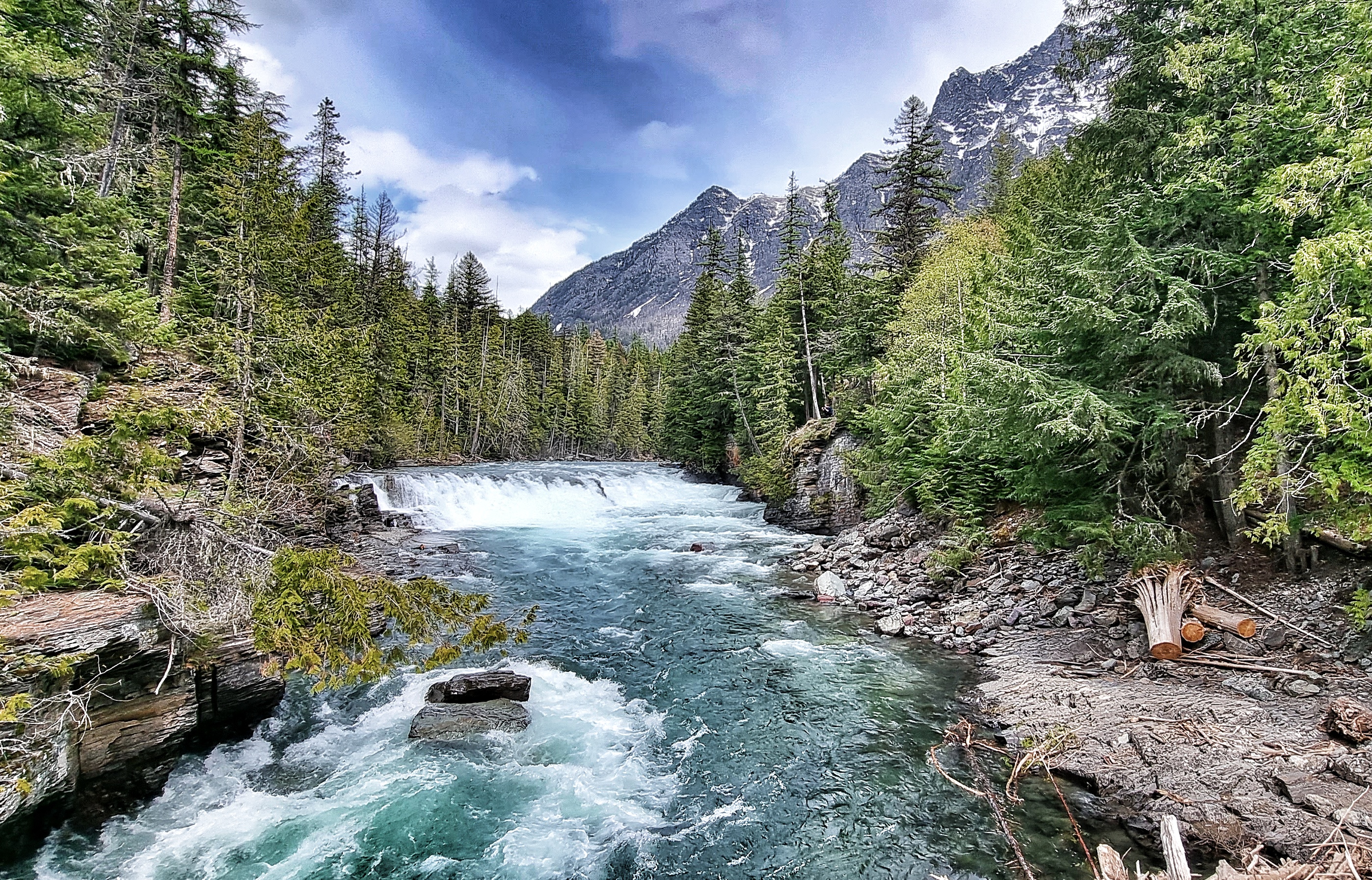
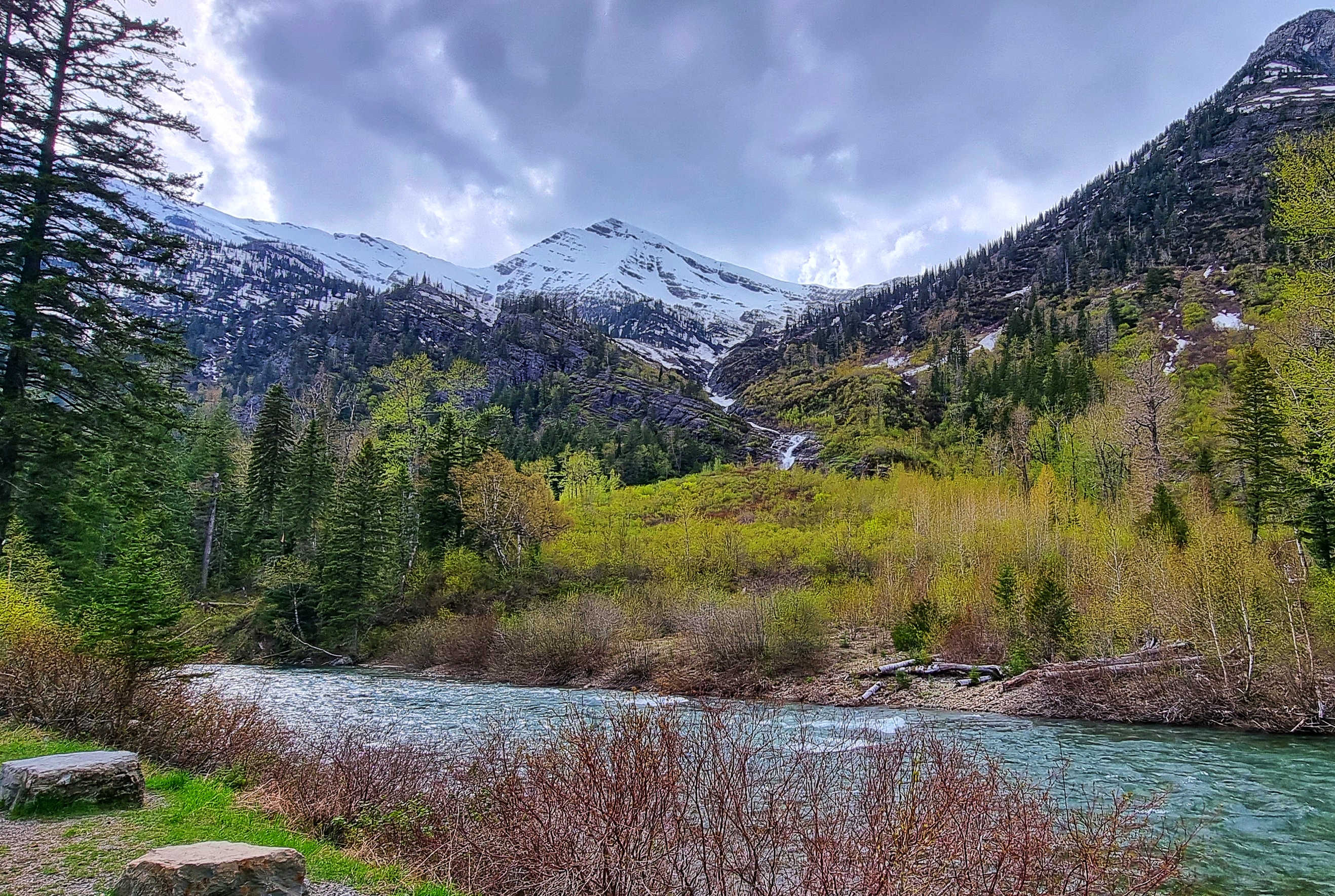
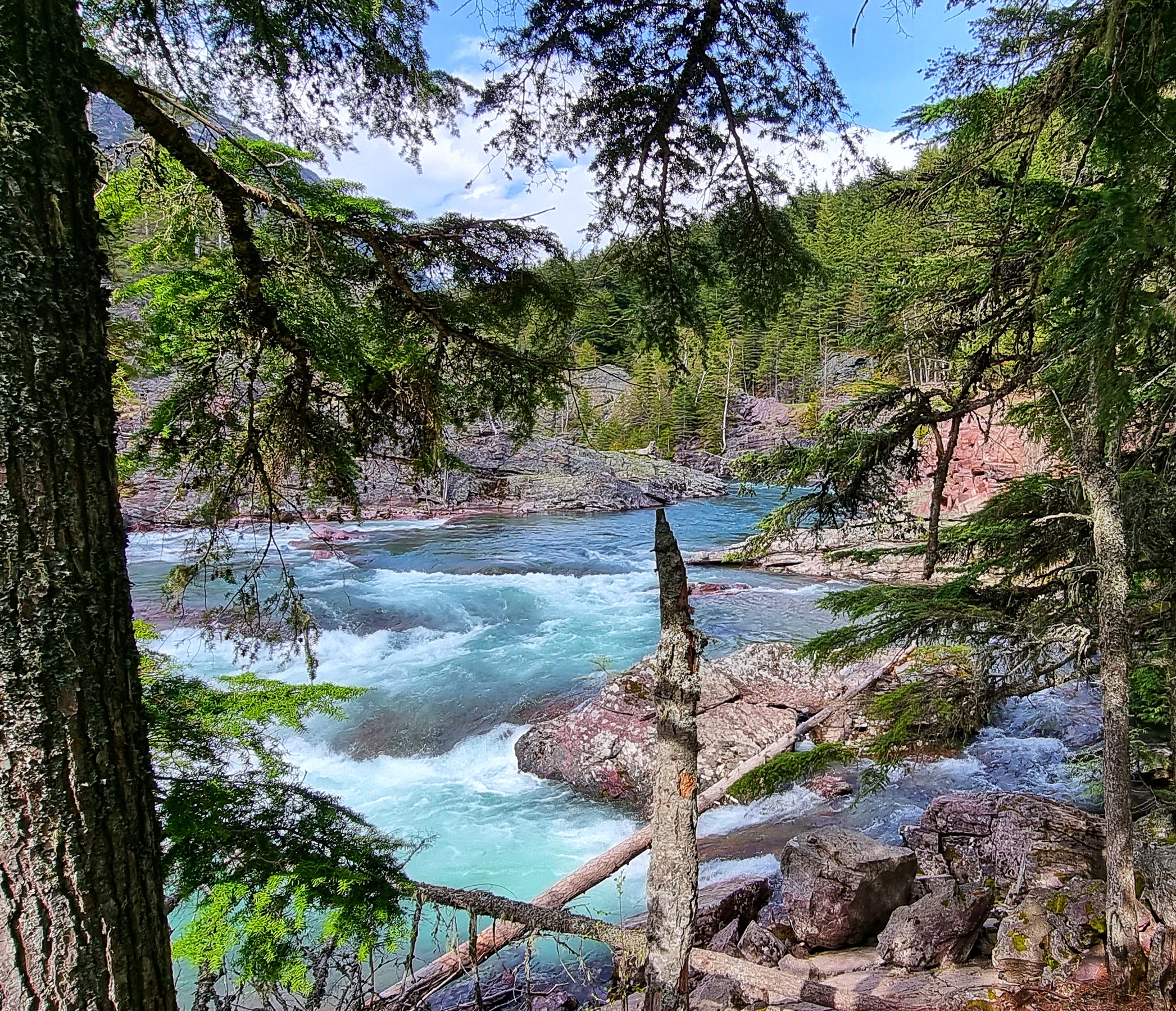
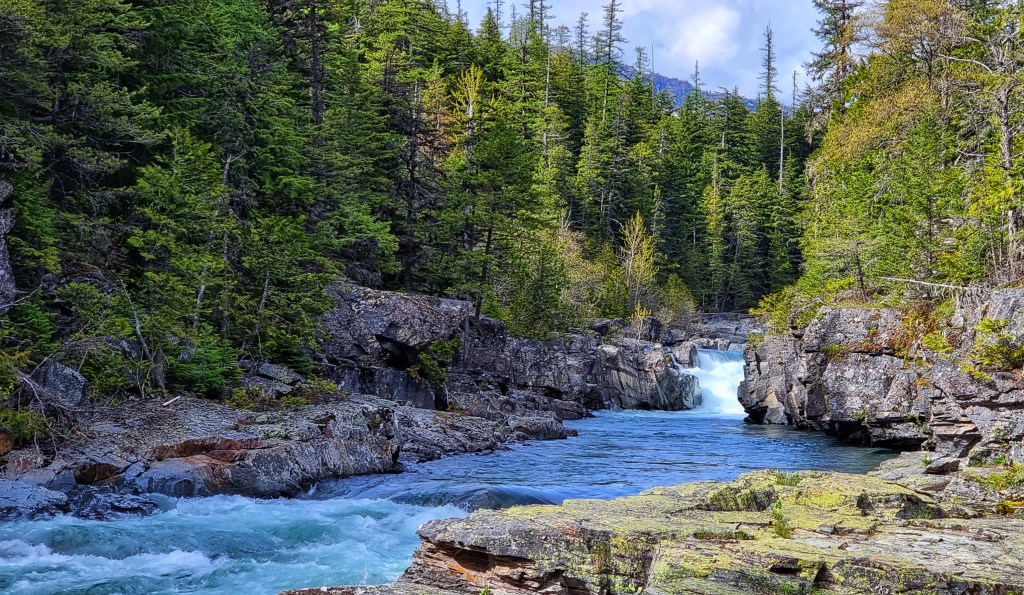
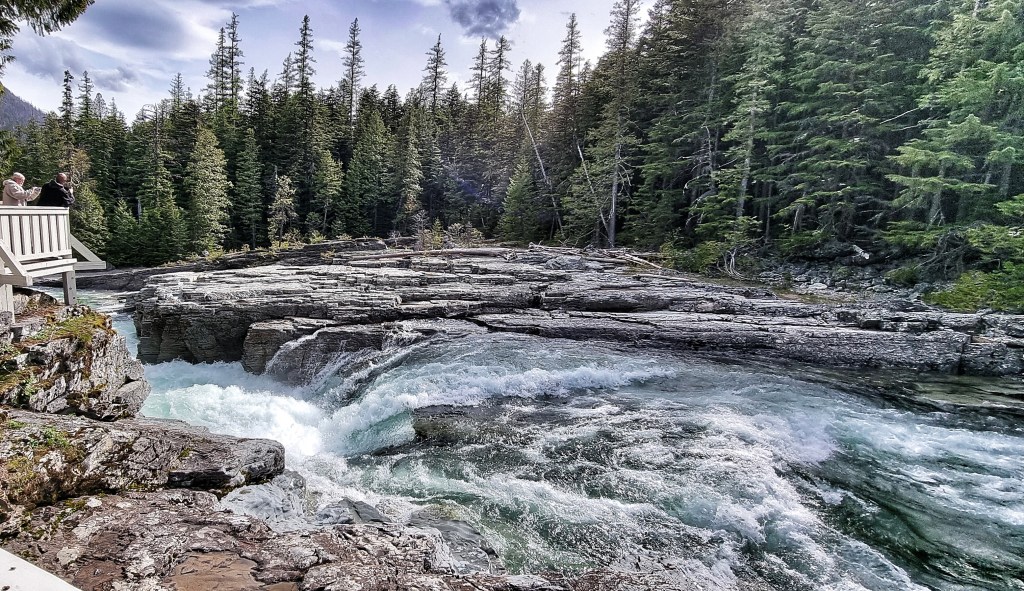
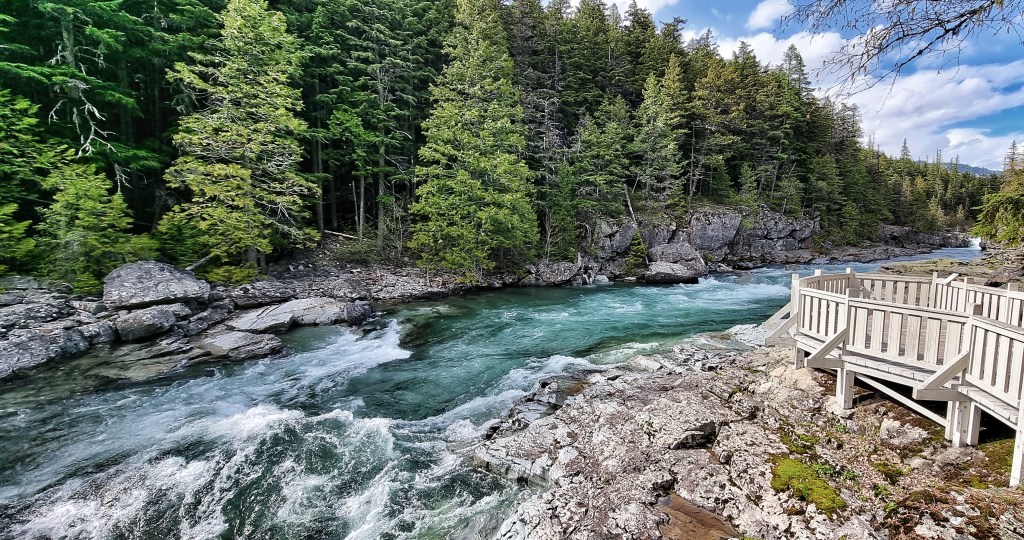
As we reached our hotel, we checked in & dropped off our panniers – the day’s adventure was nowhere near an end! We had plans to explore as much of the GTTSR as possible on our lightened steeds! From here we would be exploring the McDonald Creek valley rather than the lake. Our first stop was a narrow part of the river at John’s Lake Loop, with views up to the small, but fast flowing waterfall.

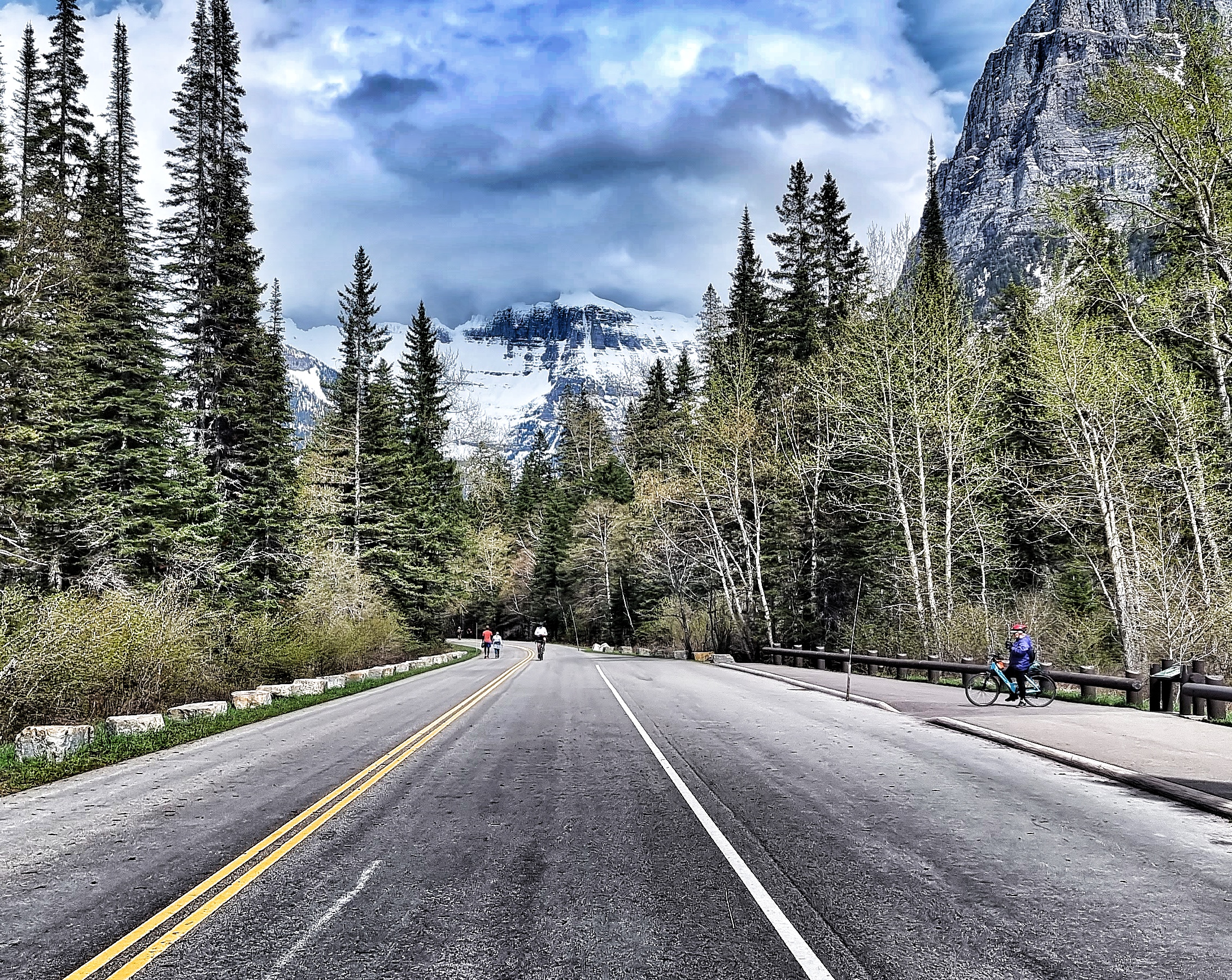
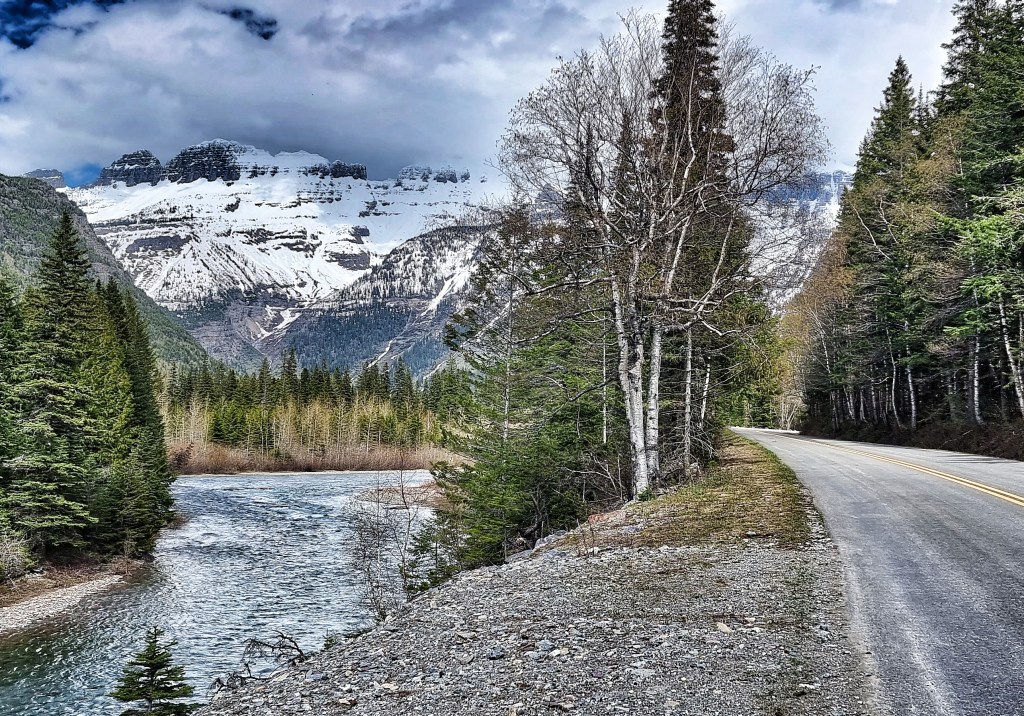
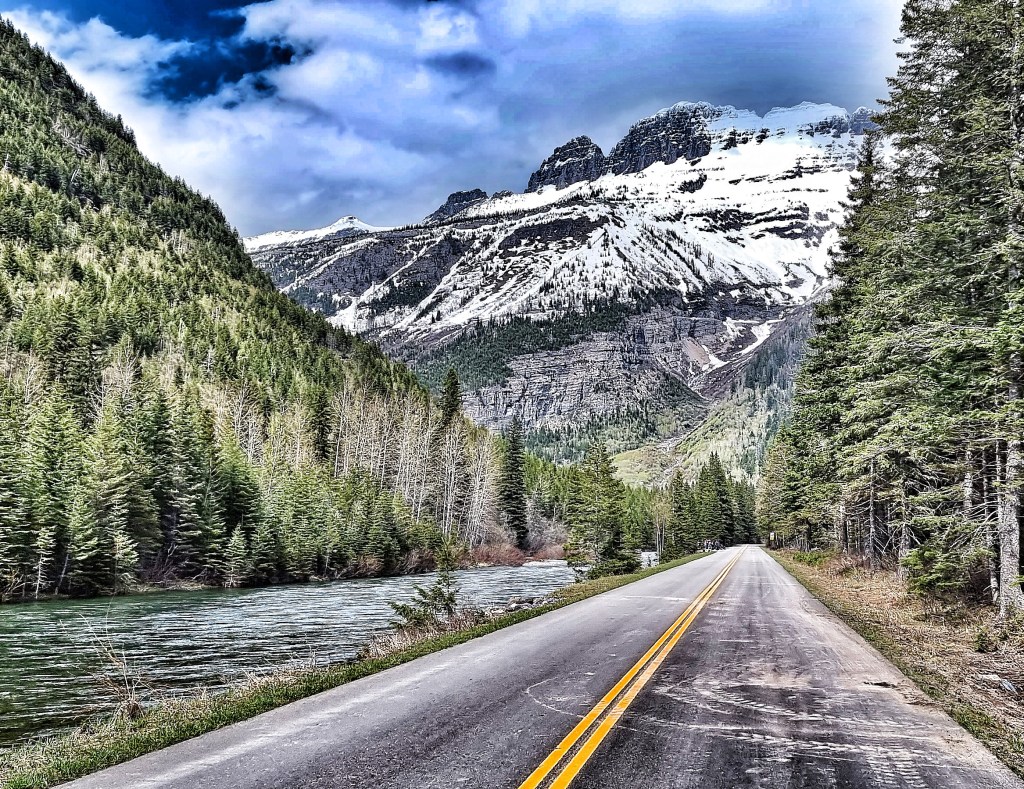
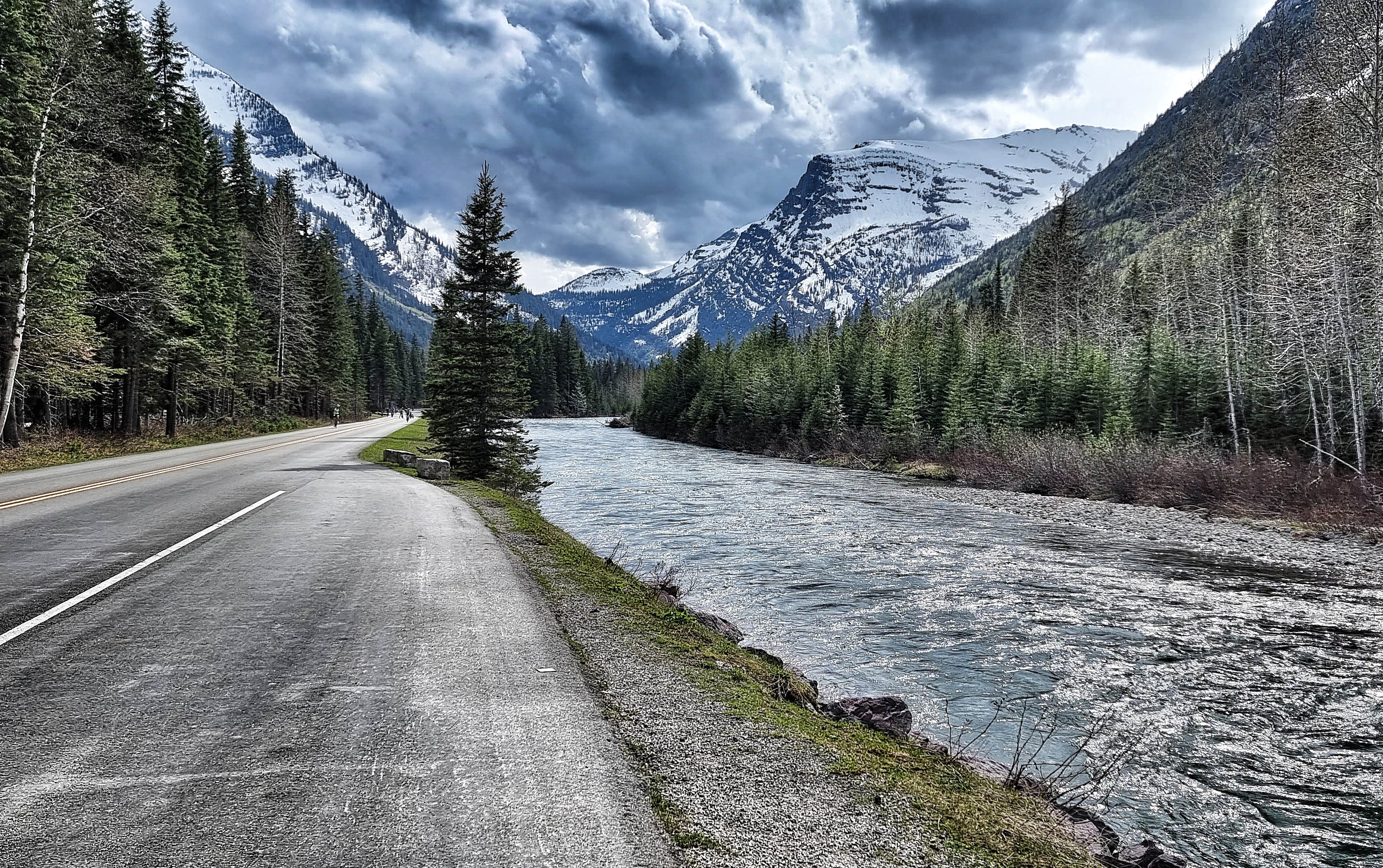
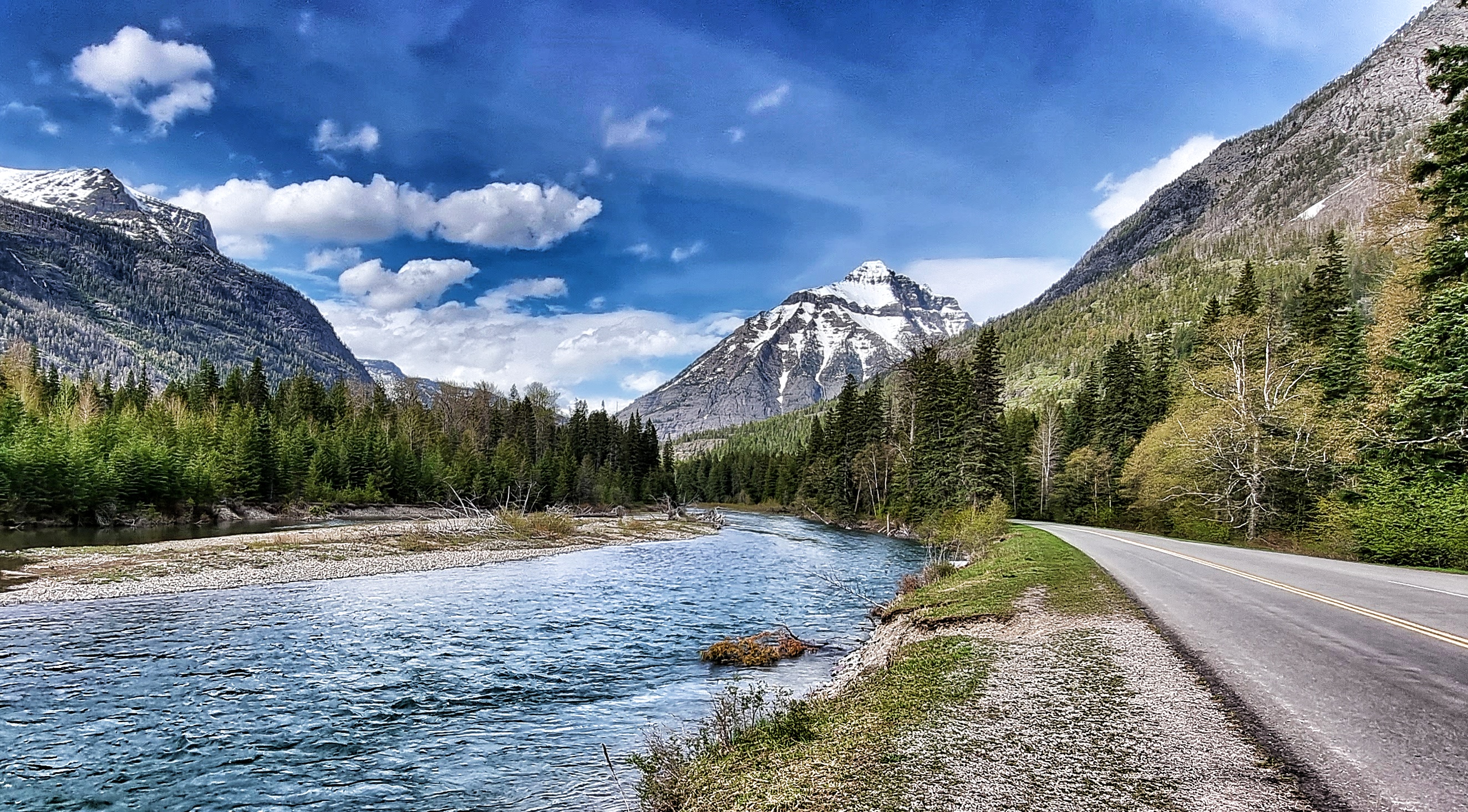
Heading up the valley, it broadened out briefly, giving hints of the climb to come & after less than 4 miles of riding we arrived at Avalanche Creek – at this point GTTSR is still closed to motorised traffic, so the road was now exclusively the playground of cyclists & hikers!! Within minutes we spotted a deer going about its business just yards from the road.

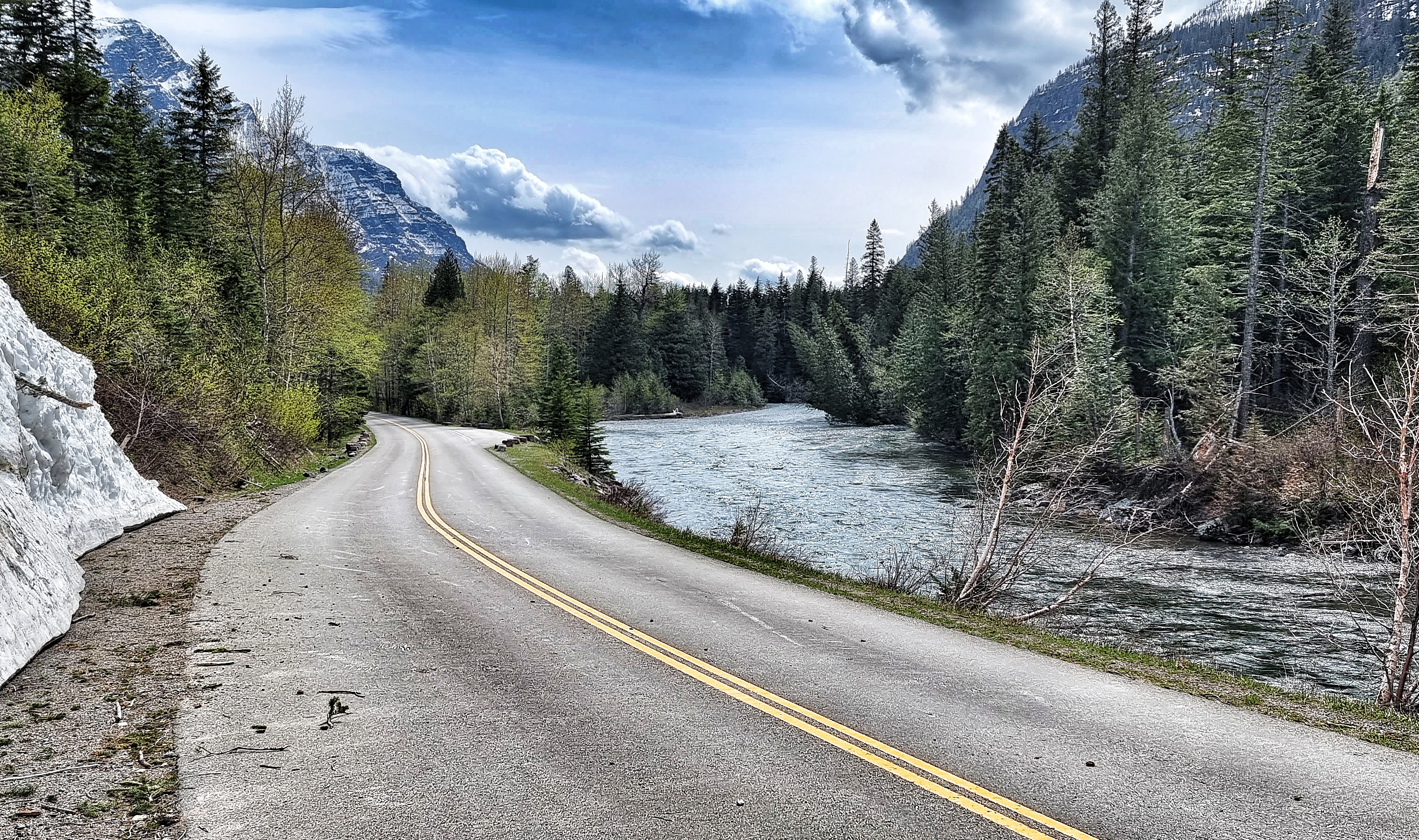
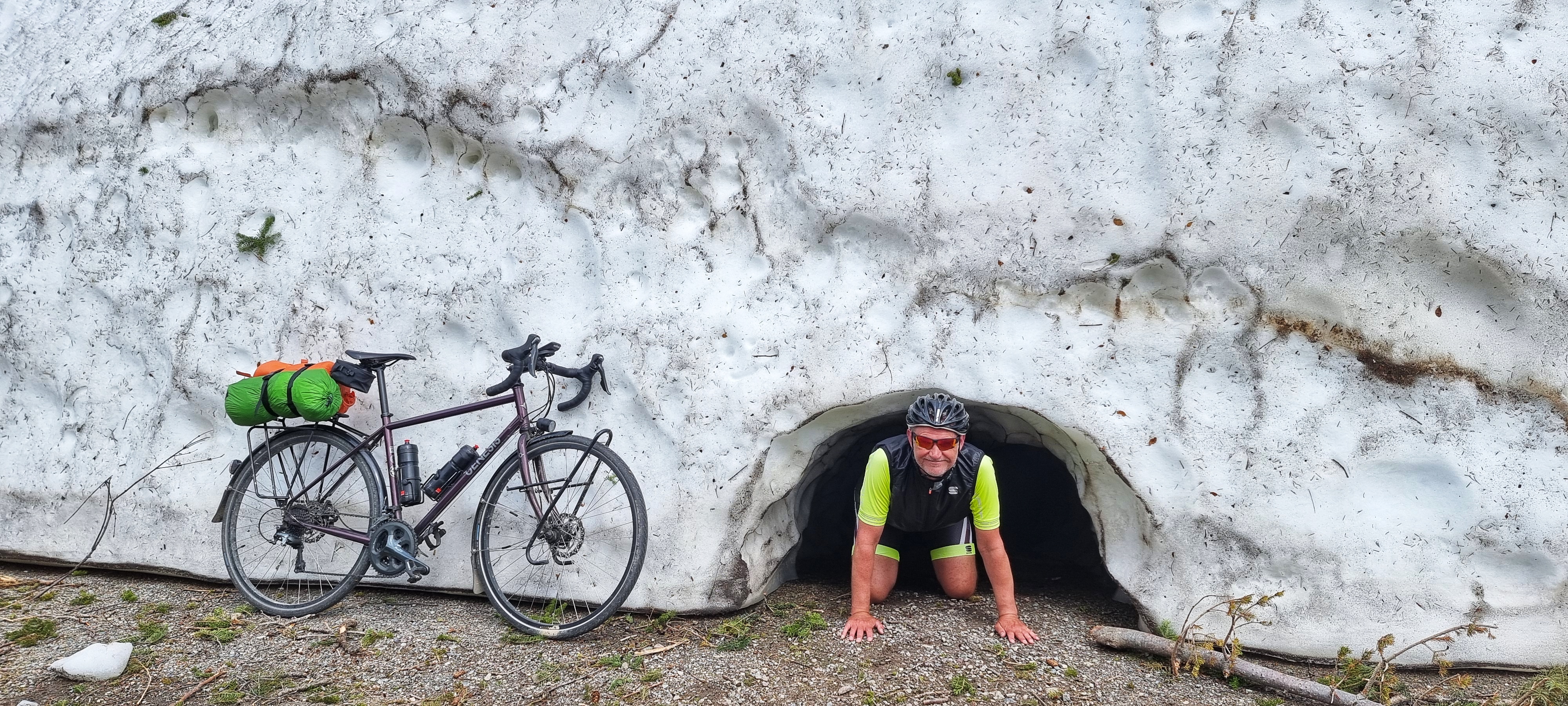
As we started climbing, snowbanks soon came into view as the road followed the twisting route of the river valley – some of the banks were slightly larger than others. I checked the snow cave for signs of wildlife before offering them a mouthful (or 2) of my prime rump!!

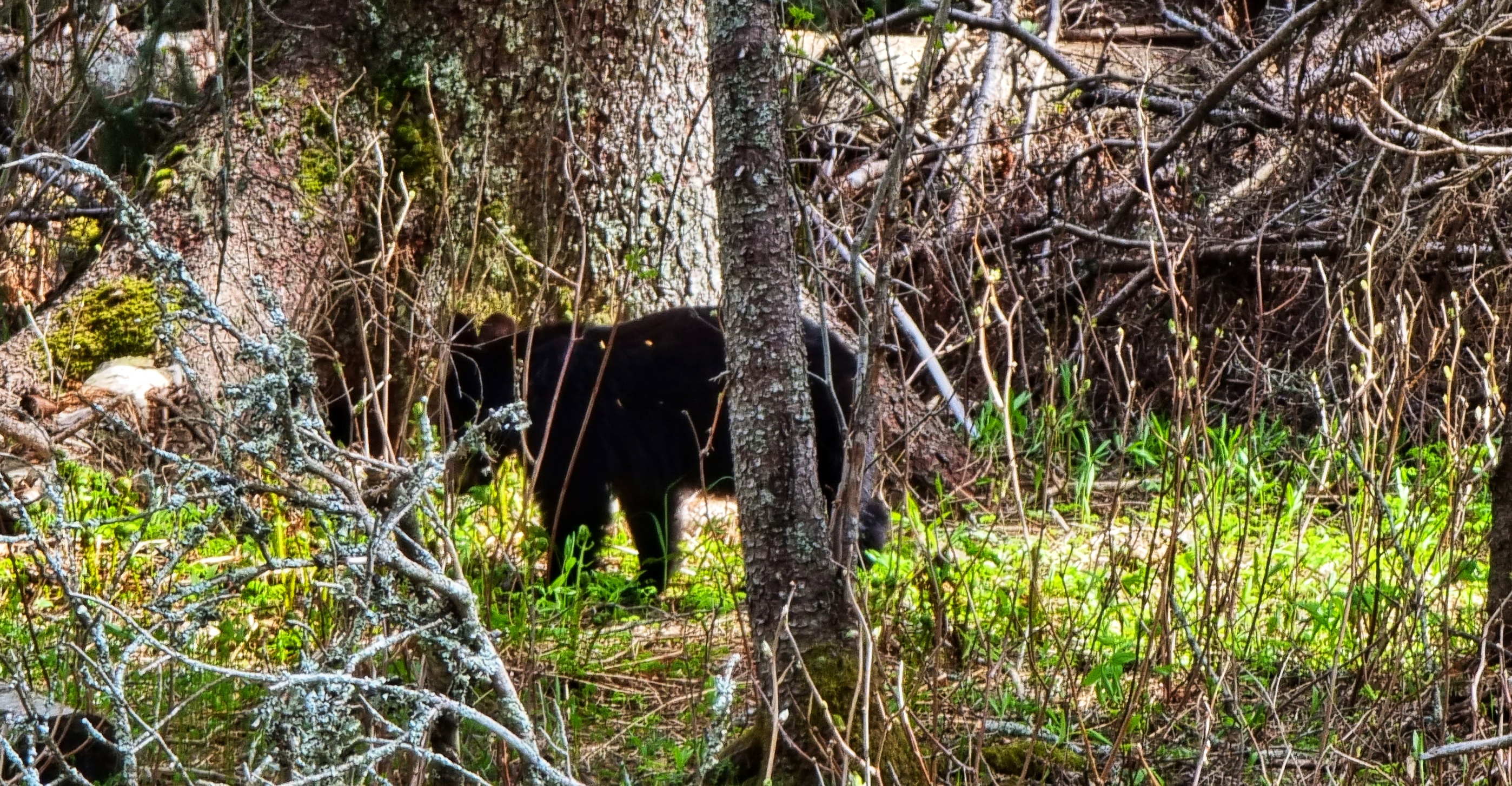
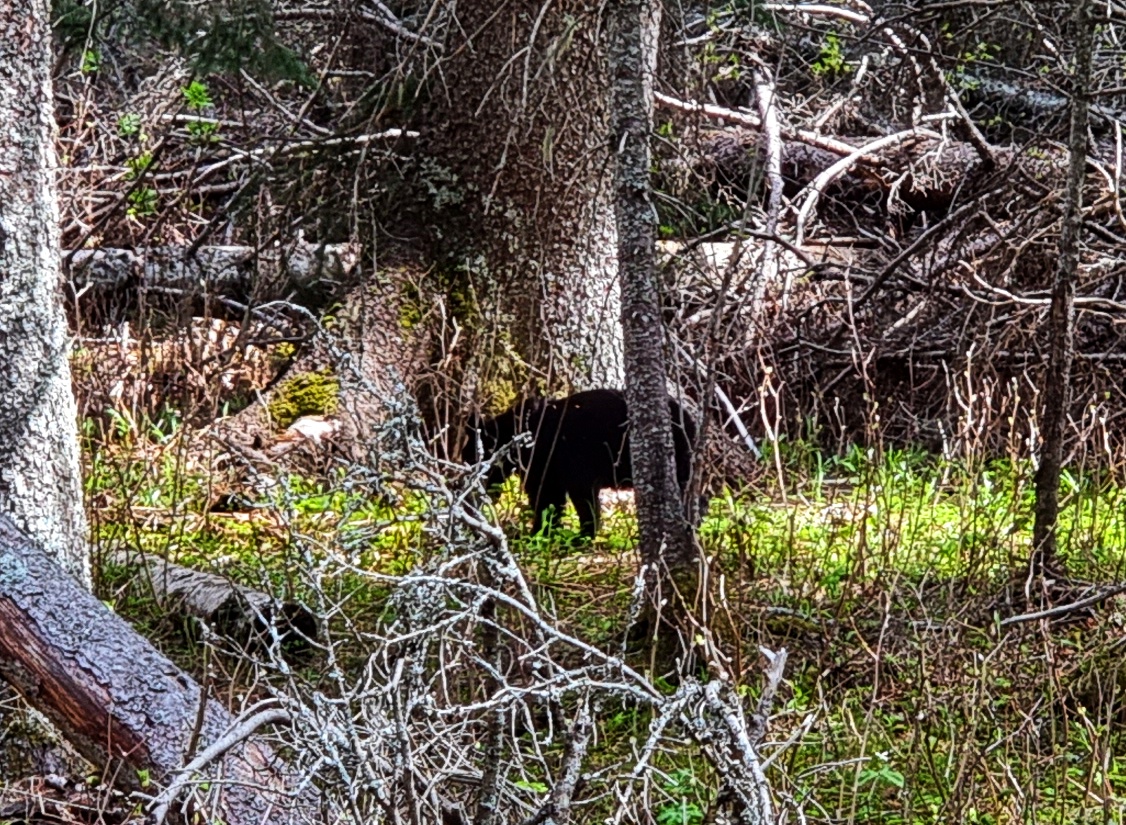
As we continued climbing we spotted some ramblers gazing intently into the forest. This could only mean one thing – a bear sighting!! It was a black bear cub, possibly a year old. There was no sign of mother bear (& we were looking hard for her, in case we needed to move on), hence my assumption of its age. Without a doubt this is the highlight of the trip so far!

We could just make out the path of the road above. It looked like the lower shelf was clear but the snow crews hadn’t yet made it to the higher shelf, as that looked to be covered in snow. The good news was we still had more road to explore!

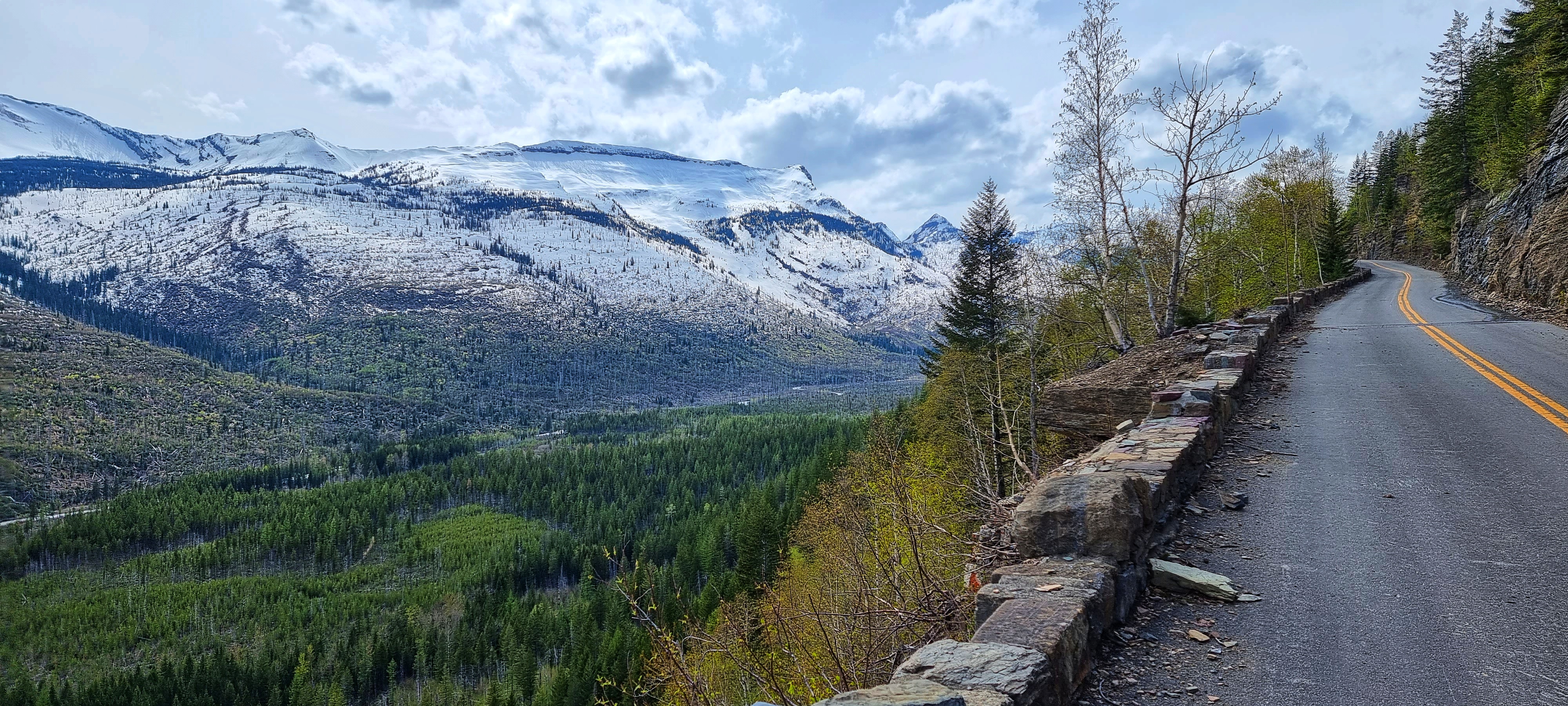
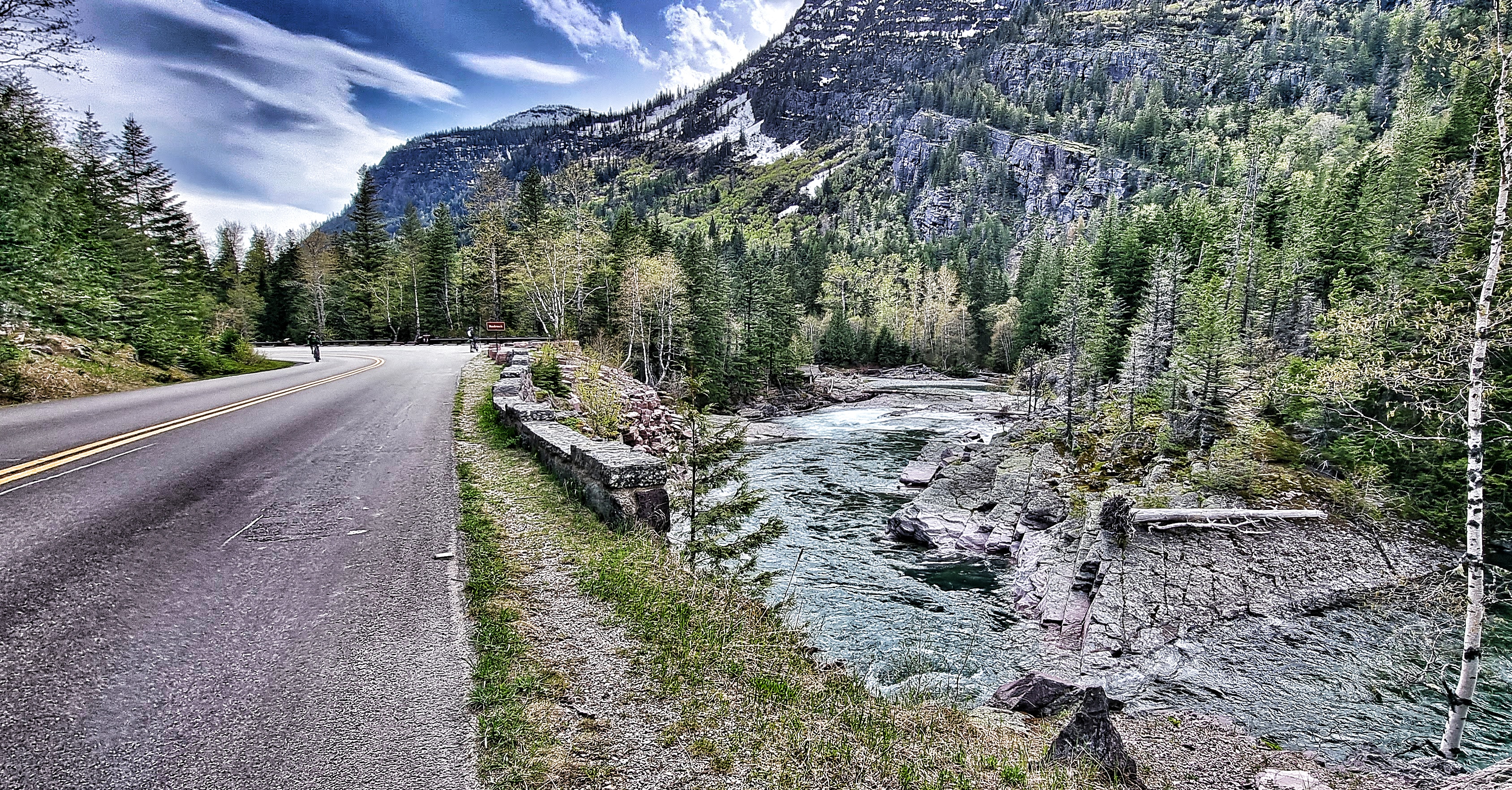
Just round the corner the river & road took separate paths. We now started climbing in earnest, but the great thing with GTTSR is that the gradient never exceeds 6% – the original design by George Goodwin in 1918 recommended a steep, 15 hairpin climb up Logan Creek. However, a later adjustment by Tom Vint resulted in a shallower gradient & only required one switchback – thanks Tom!!

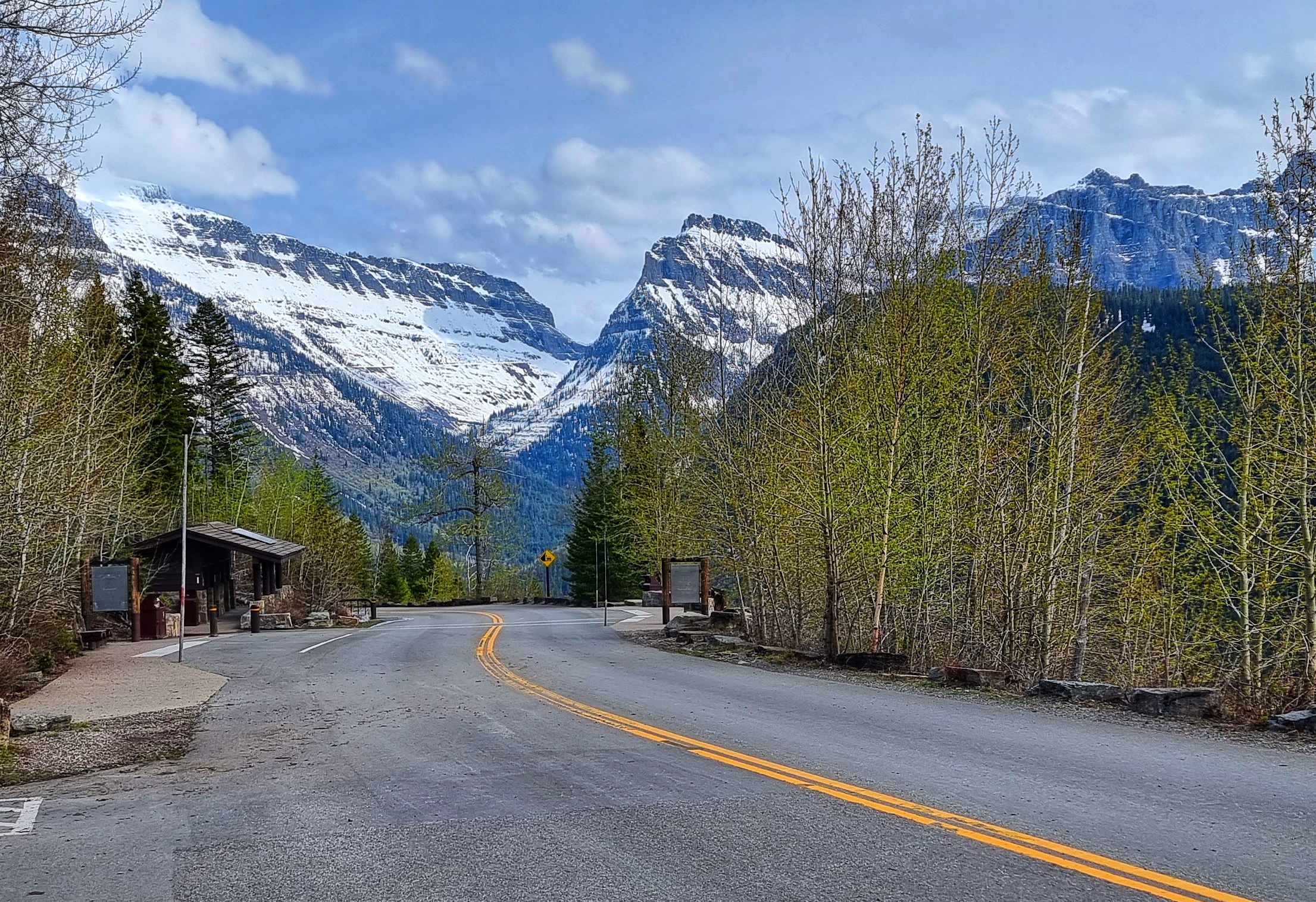
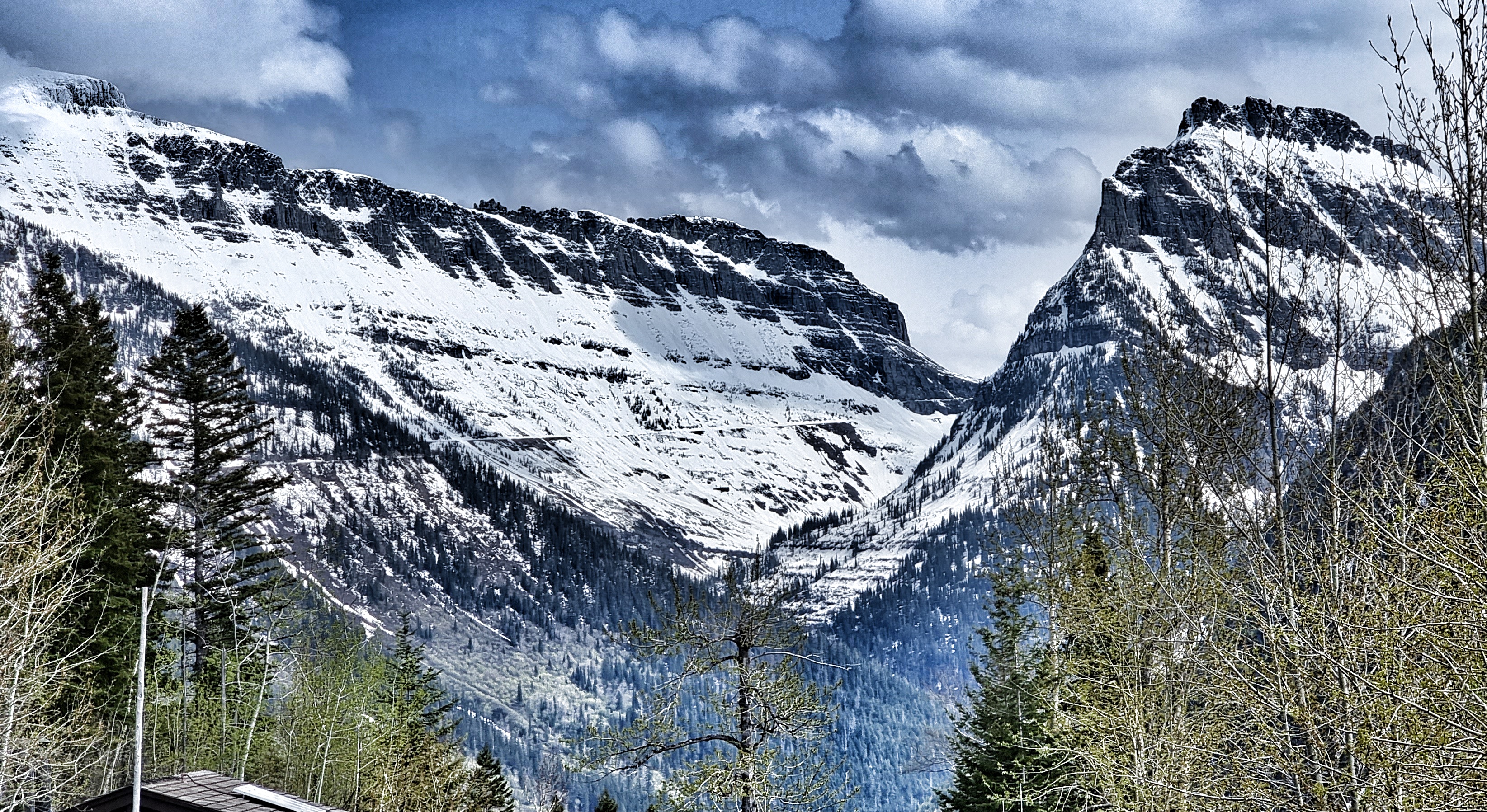
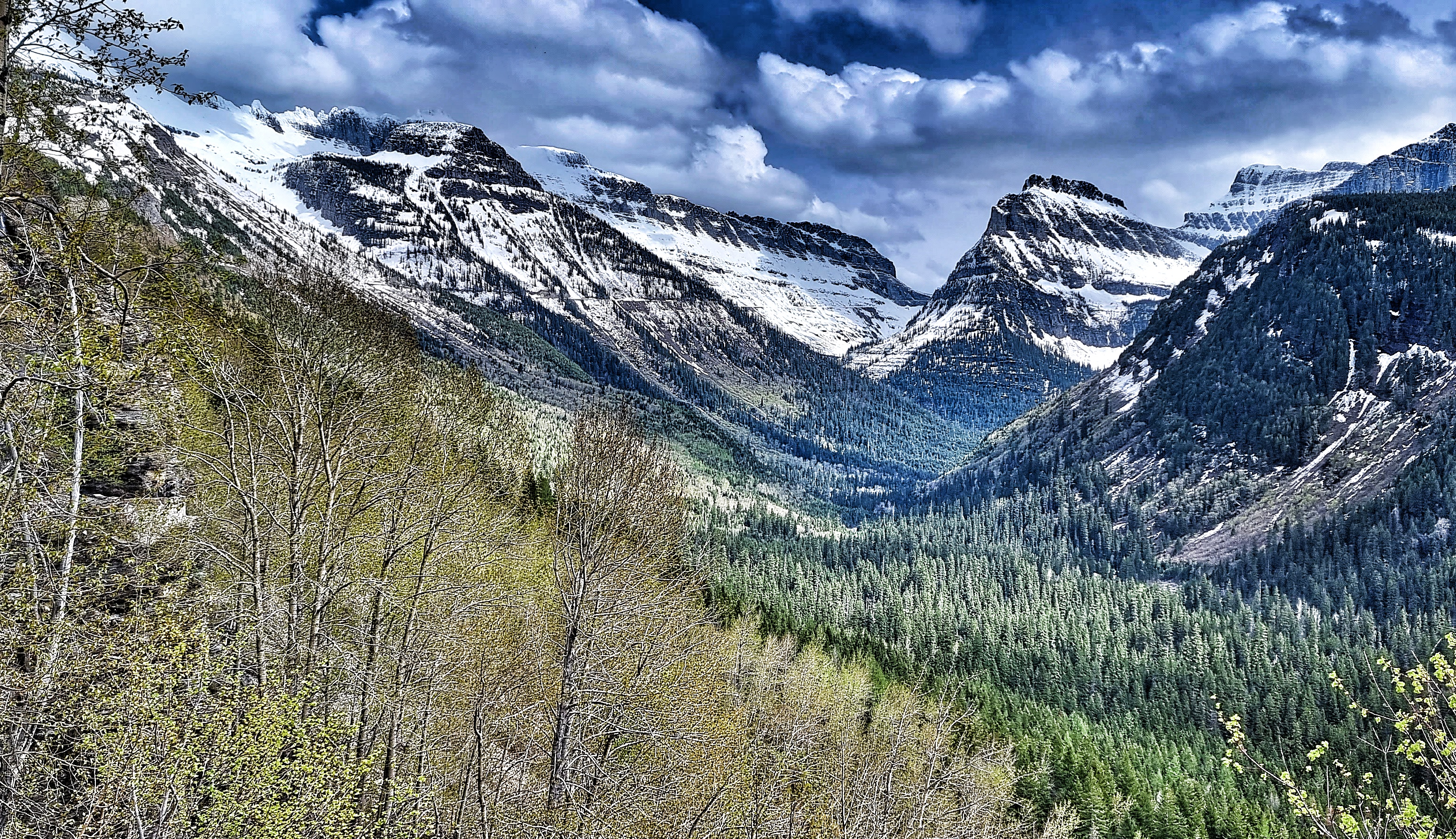
As we reached that single switchback, huge views of the climb up to Logan Pass came into view. Our friendly Ranger who sold us our tickets had told us the road would be closed to motorised traffic from Avalanche Creek & that there were avalanche warnings in place just after Lookout Point – we had to stop climbing at this point. We’d had 8 miles of riding on empty roads, so truly appreciated our good fortune.

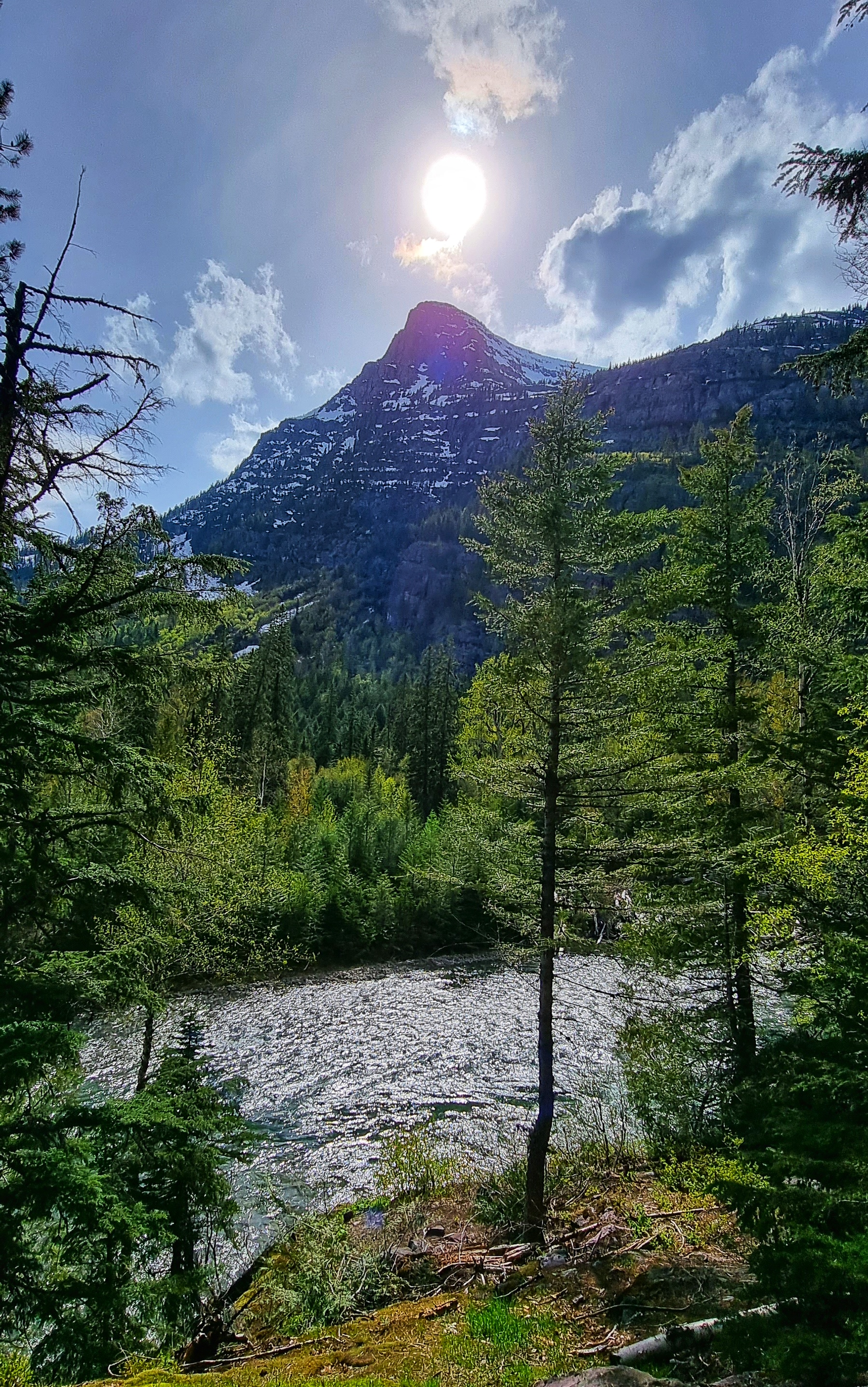
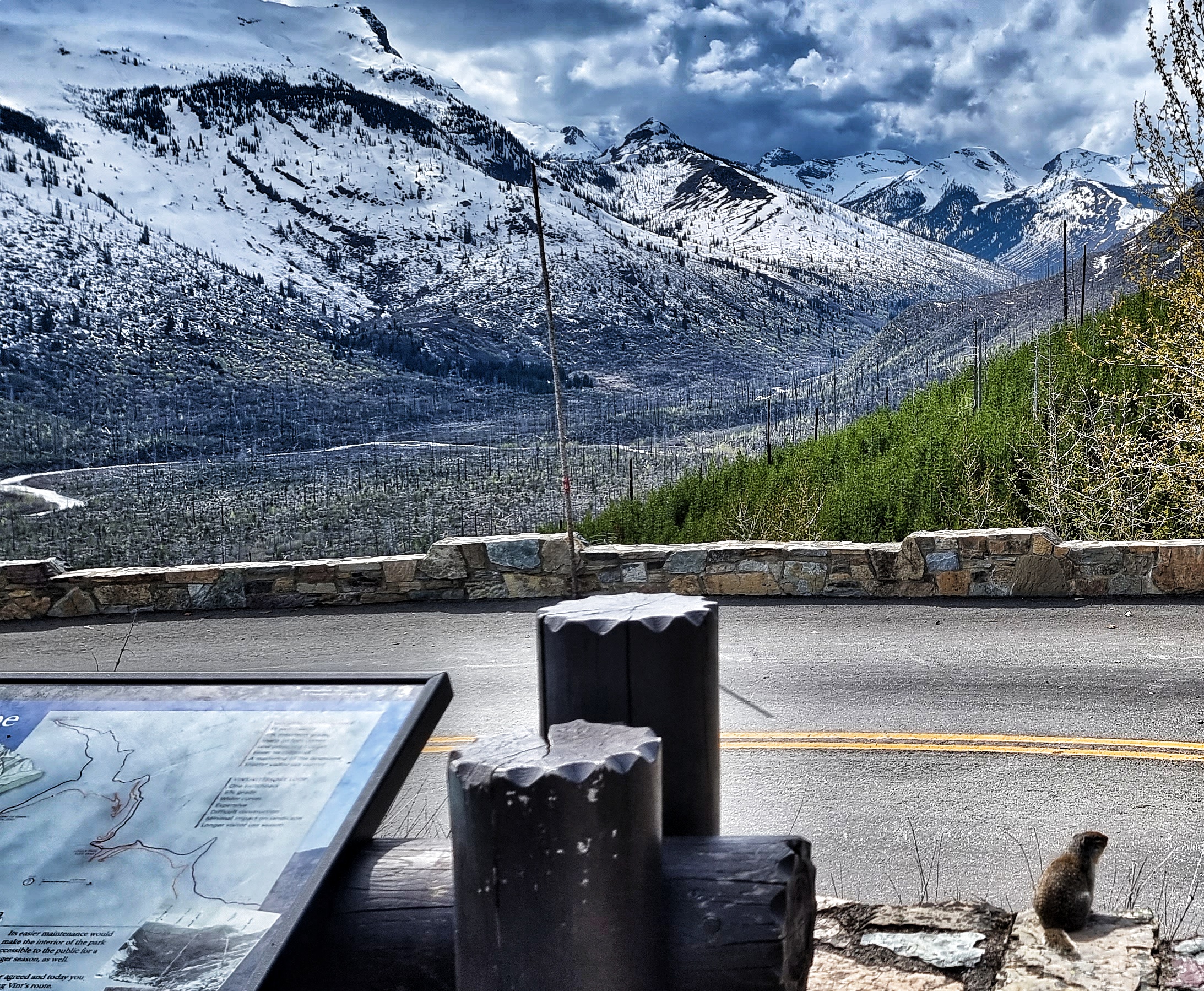
We turned around & pulled in at Lookout Point to drink in the huge vistas & marvel at Heavens Peak, towering above us at 8,987 feet above sea level. As we did, a cheeky chipmonk photobombed my picture!!

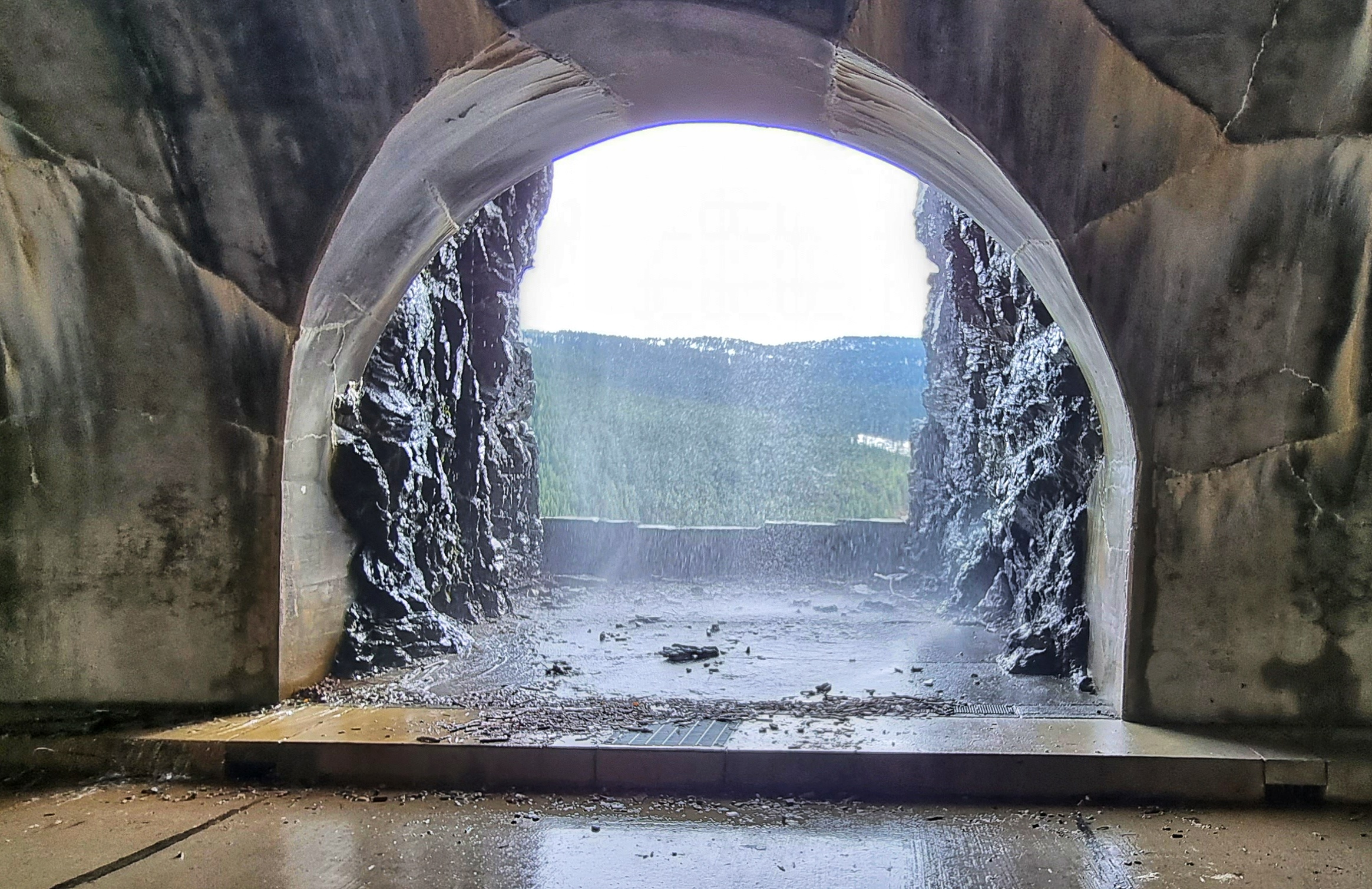
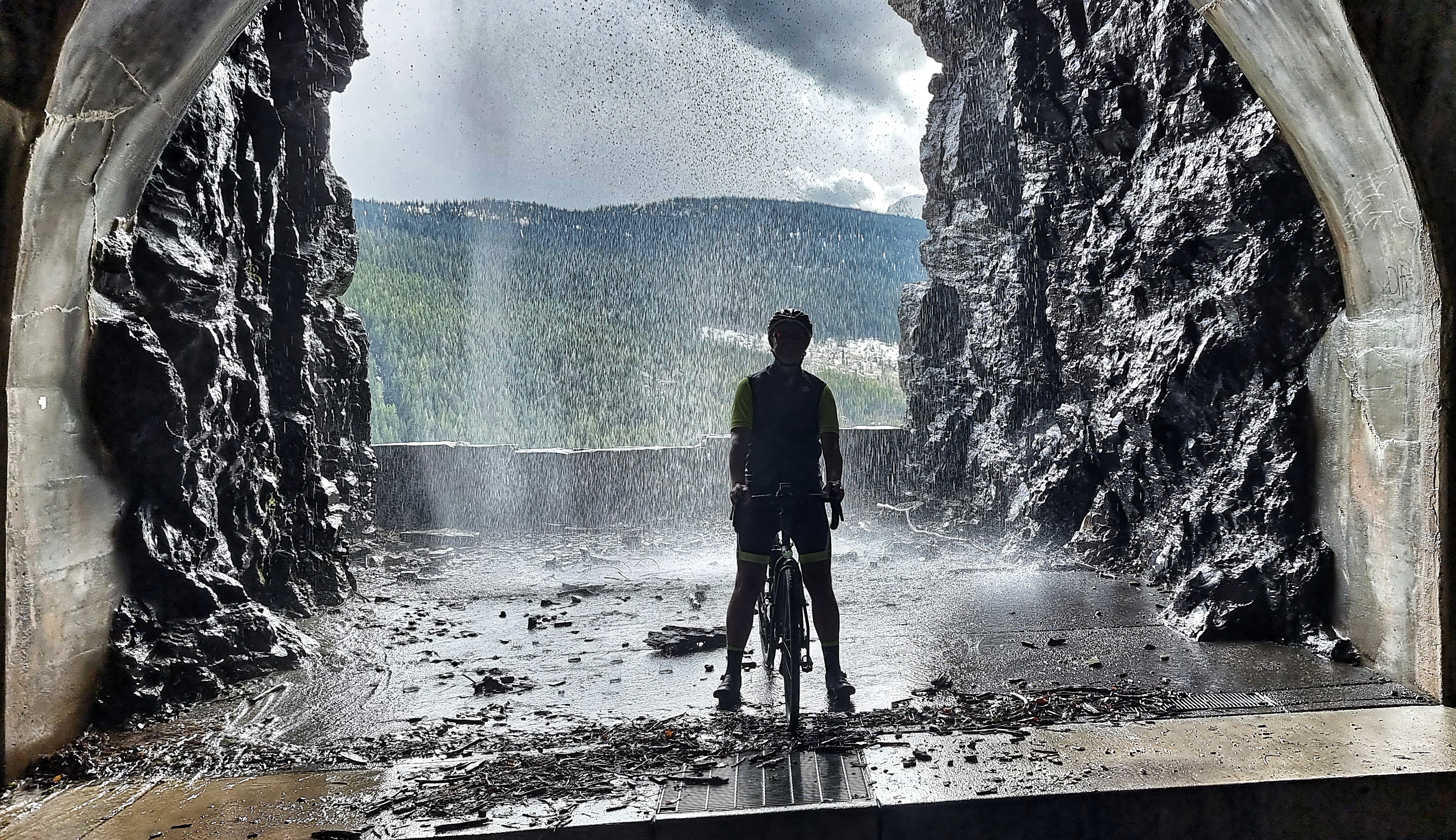
We’d ridden through a tunnel on the way up & it had a couple of windows out across the valley – I’d noticed that water was cascading past the window so stopped for a quick photo – it’s not my greatest ever photo, but it captures the moment.

The descent was a joy, as the shallow gradient, wide corners & traffic free tarmac meant that the brakes weren’t required. Having said that, I chose to stop a couple of times to capture the stunning scenery.

We cycled side by side from McDonald Creek to Avalanche Creek & chatted about our amazing cycling adventure in GNP. We’d also deliberately ridden past a couple of lookout spots on the climb, so we stopped at these on the way down.

At Avalanche Creek the road re-opened to motor vehicles, so we followed a couple of GNP Tour cars down the valley, stopping at Sacred Dancing Cascade on the way.

Sean must have the patience of a Saint – I hadn’t realised quite how many photos I’d taken (or how many times I must have stopped) during the afternoon. It would have been easy to get a bit fed up of the countless stops, but he simply let me get on with it – thanks mate, I really do appreciate you giving me the time to capture the moment!!

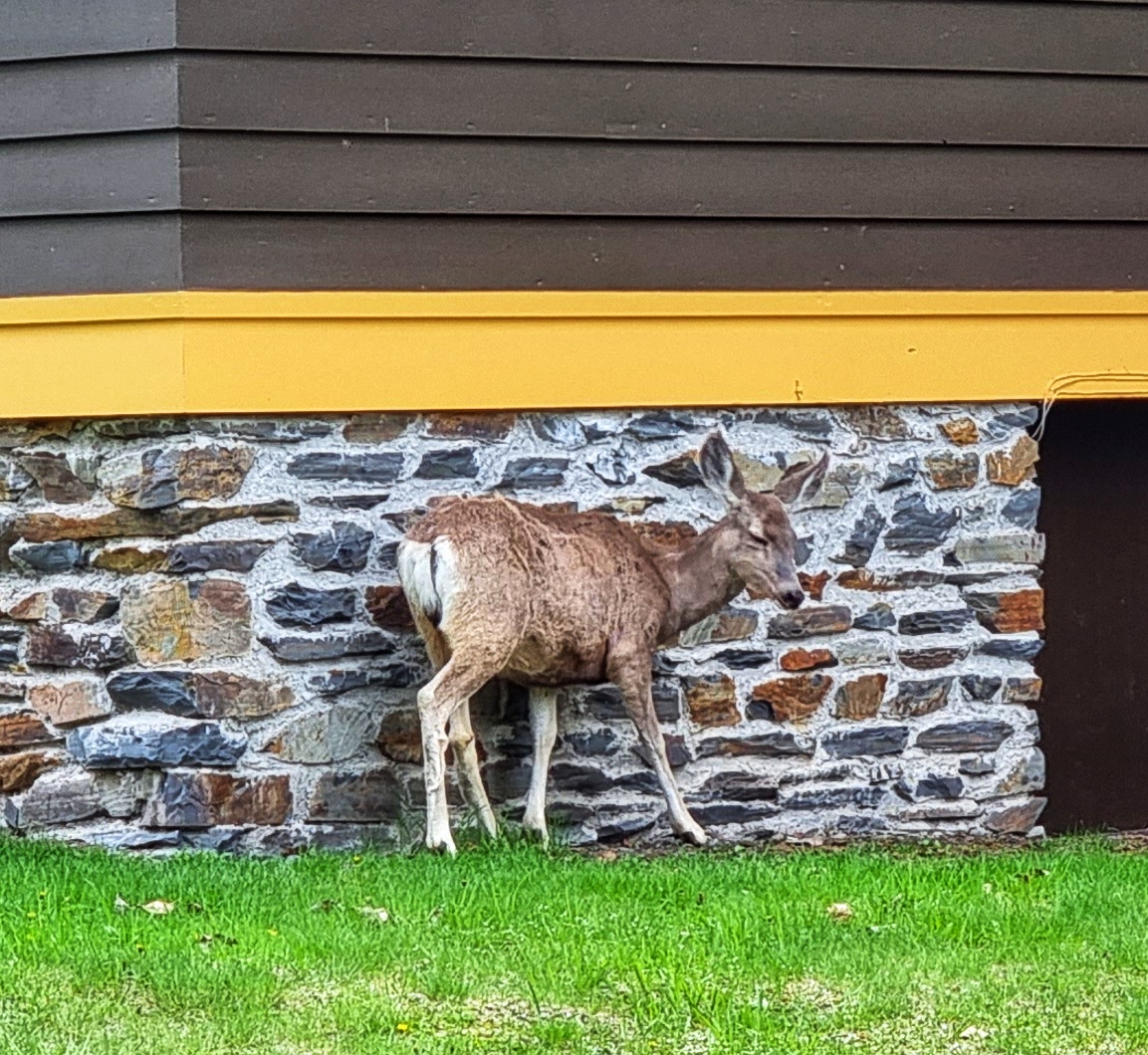
Once we arrived back at our motel, we had a quick shower & change before heading across to the posher Lake McDonald Lodge to reflect on what has been a monumental day in the saddle – we’re clearly making an impression, as one of the deer popped over to check on the out of towners!

After dinner we went for a stroll around the grounds of Lake McDonald Lodge & took in the last of the daylight, as the sun set behind the towering peaks.

Stage Stats – 27 miles in Glacier National Park, 1,425 feet of climbing. More stunning scenery, jaw-dropping vistas & wildlife than I could count!

Friday 27th May – Glacier National Park to East Glacier Village (Stage 22)

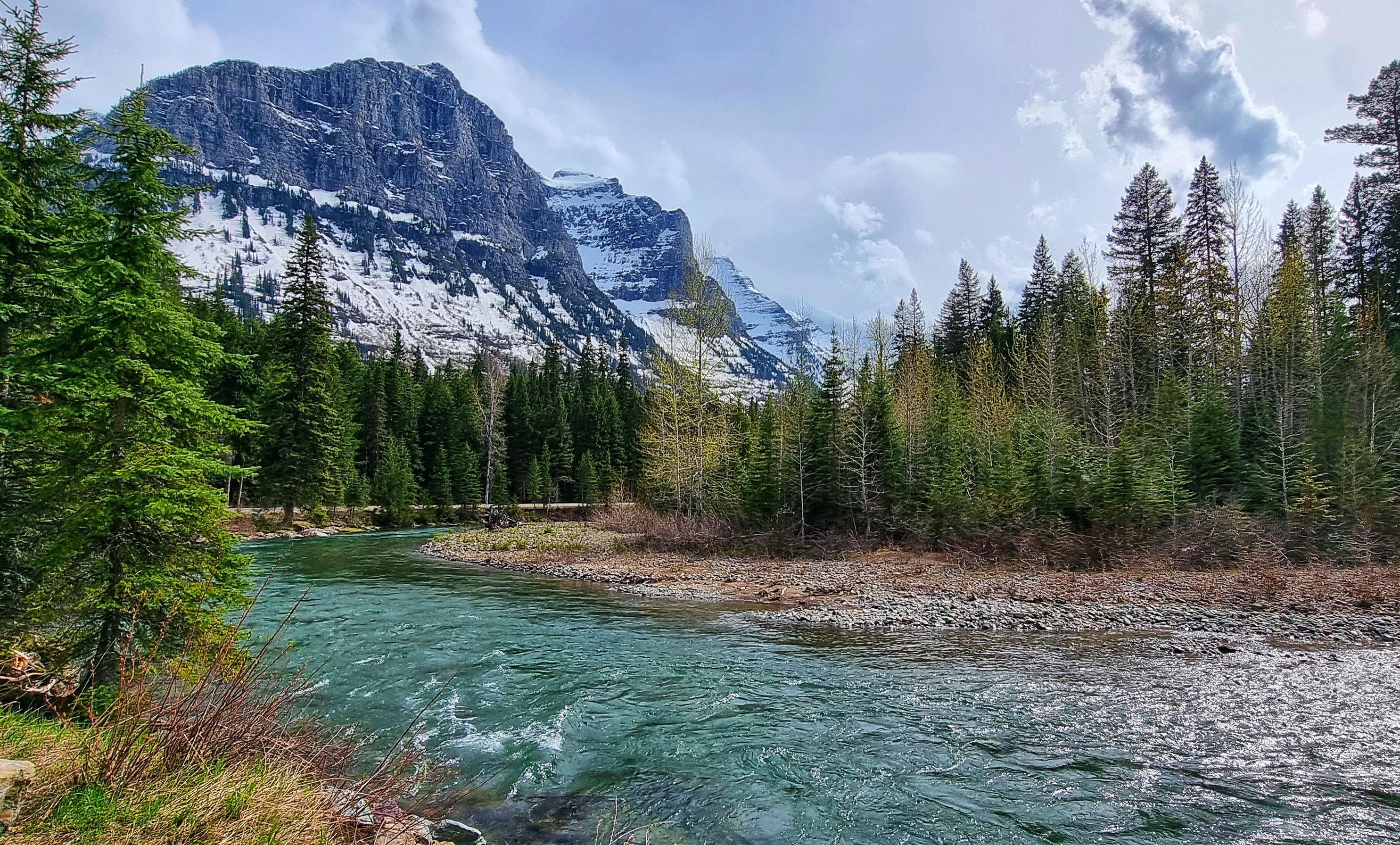
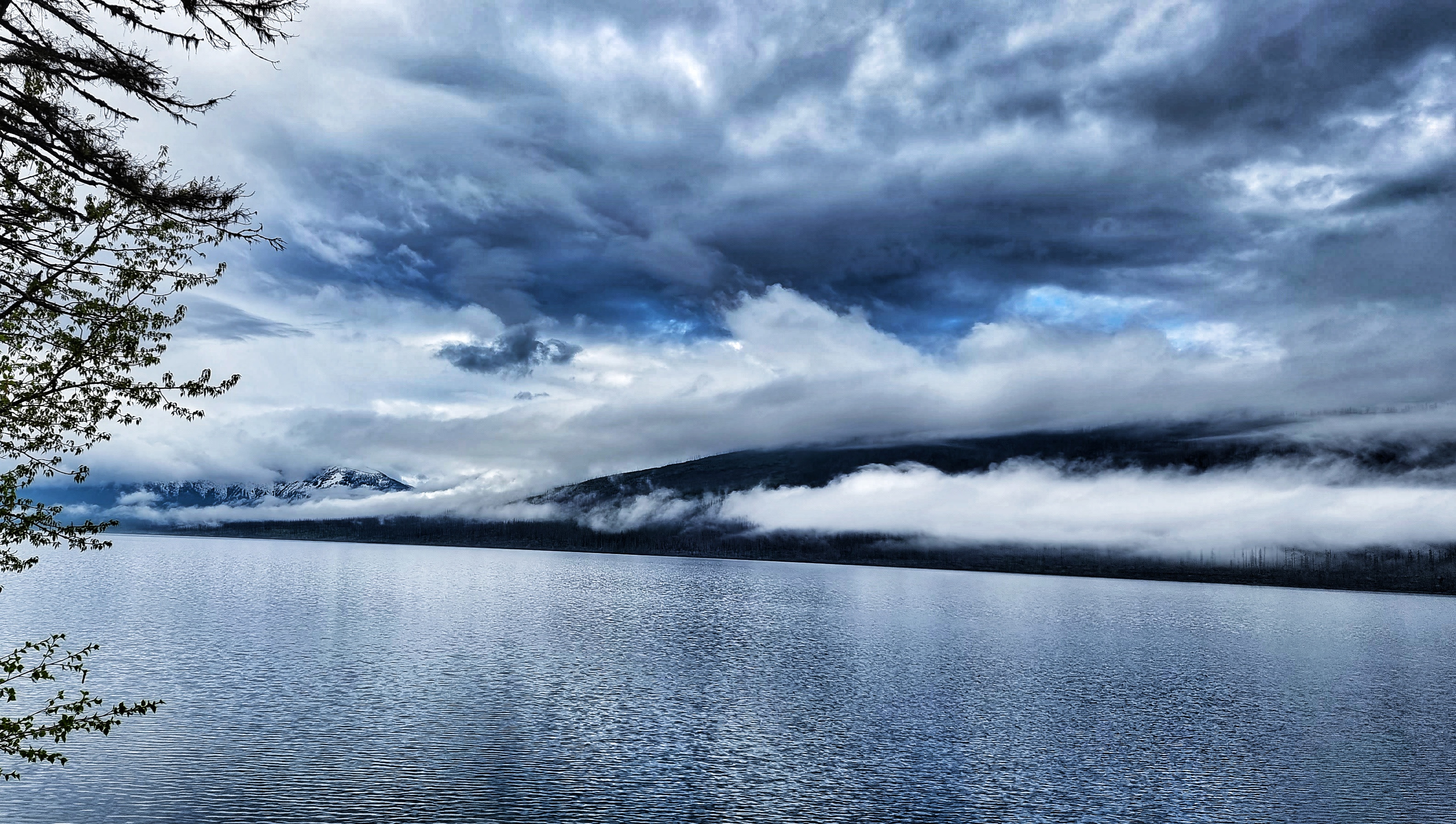
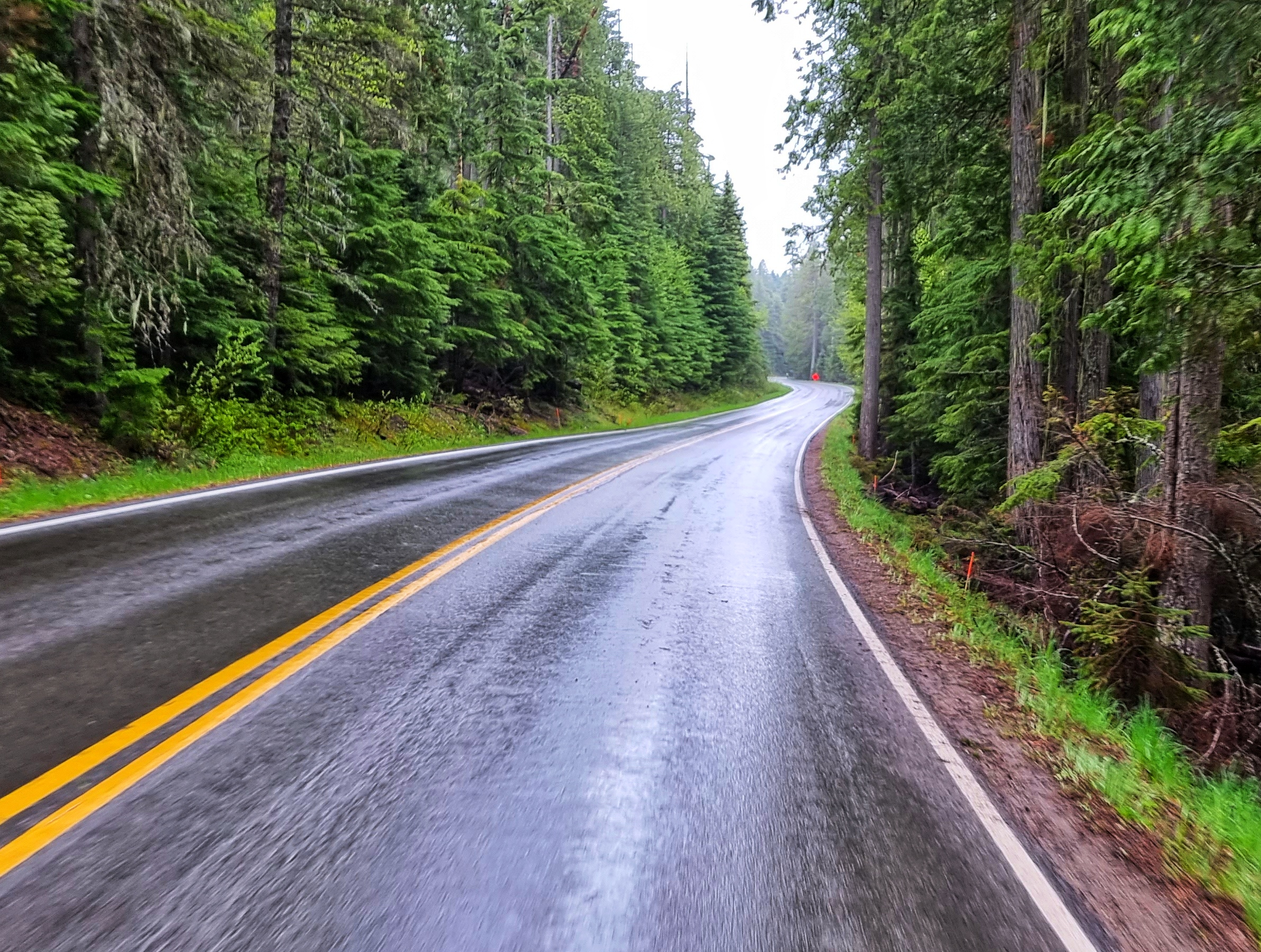
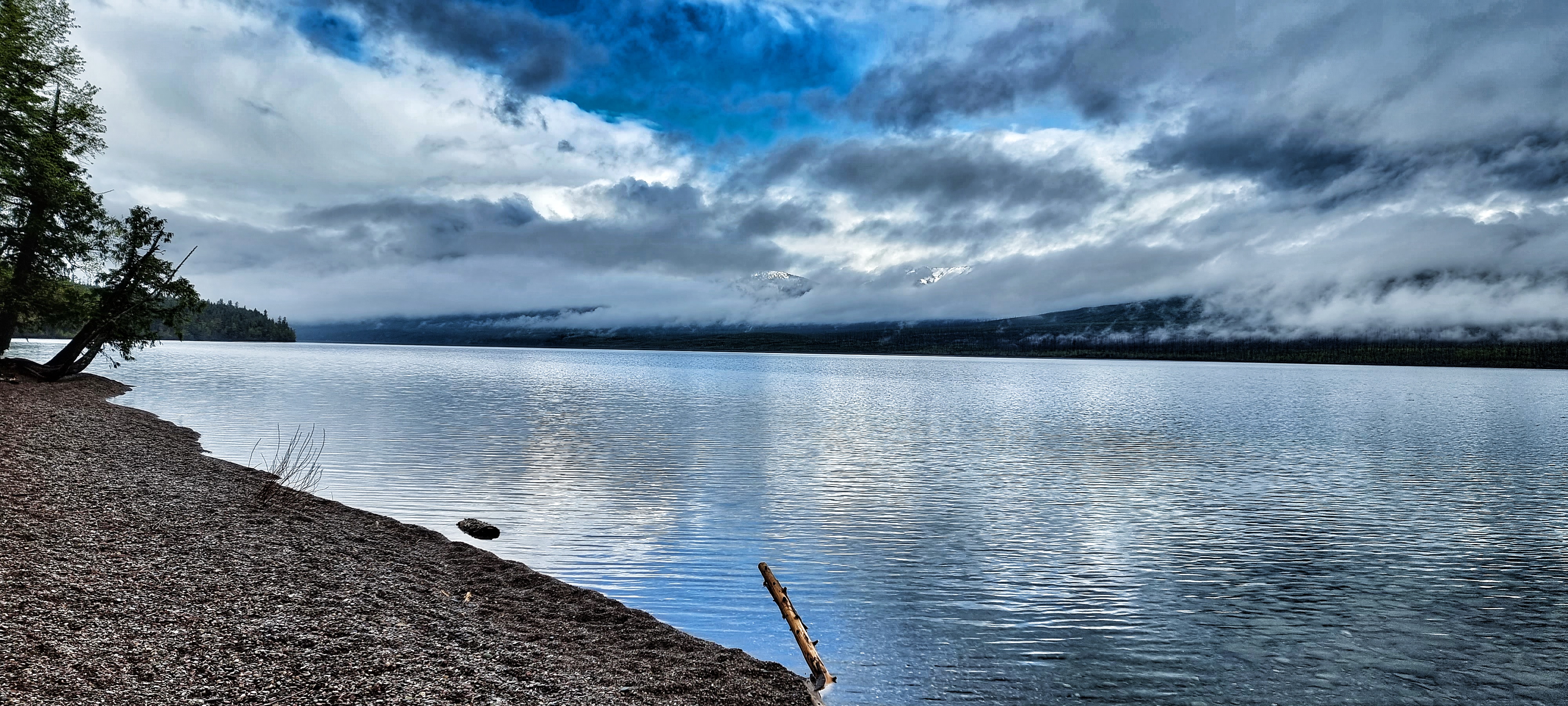
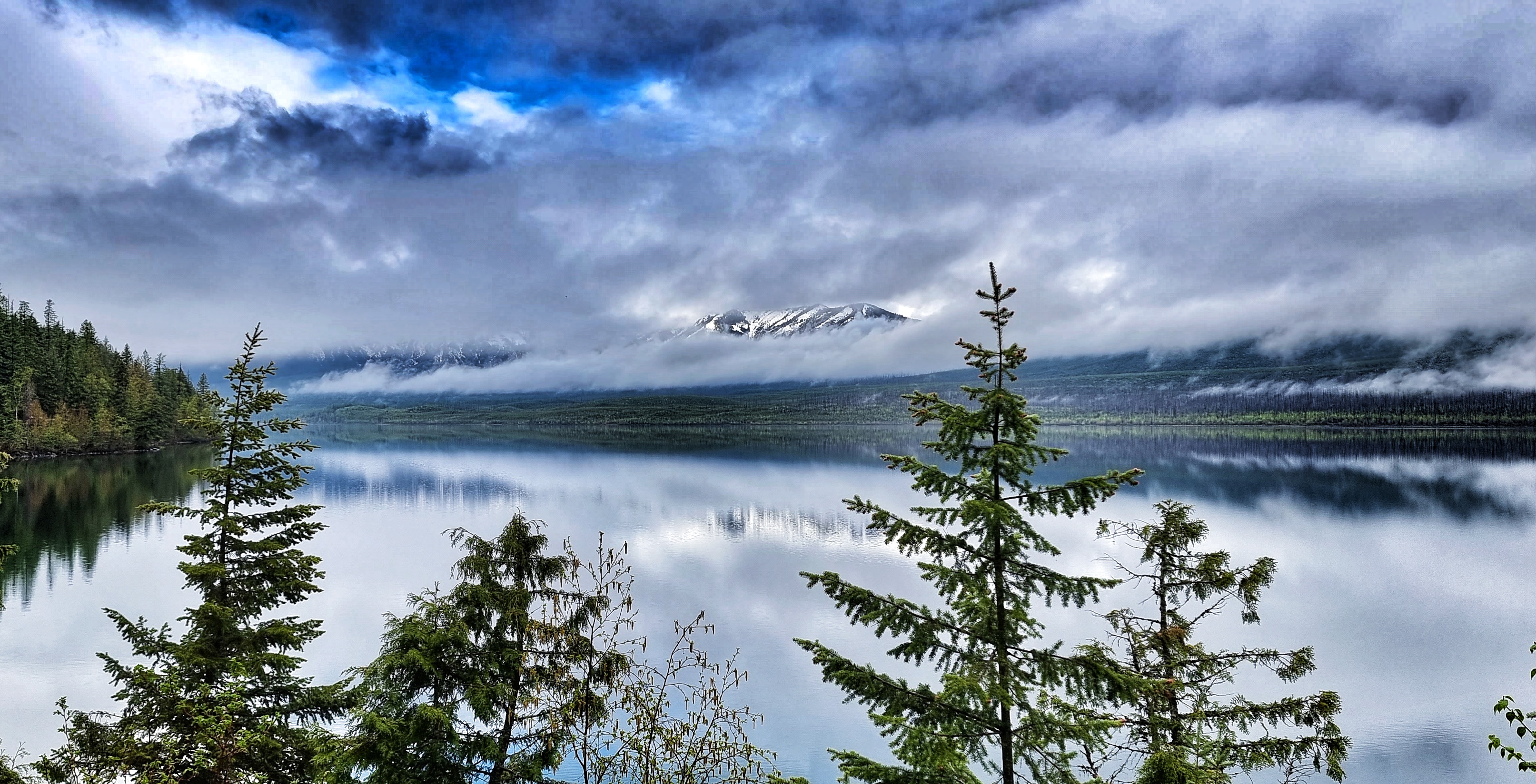
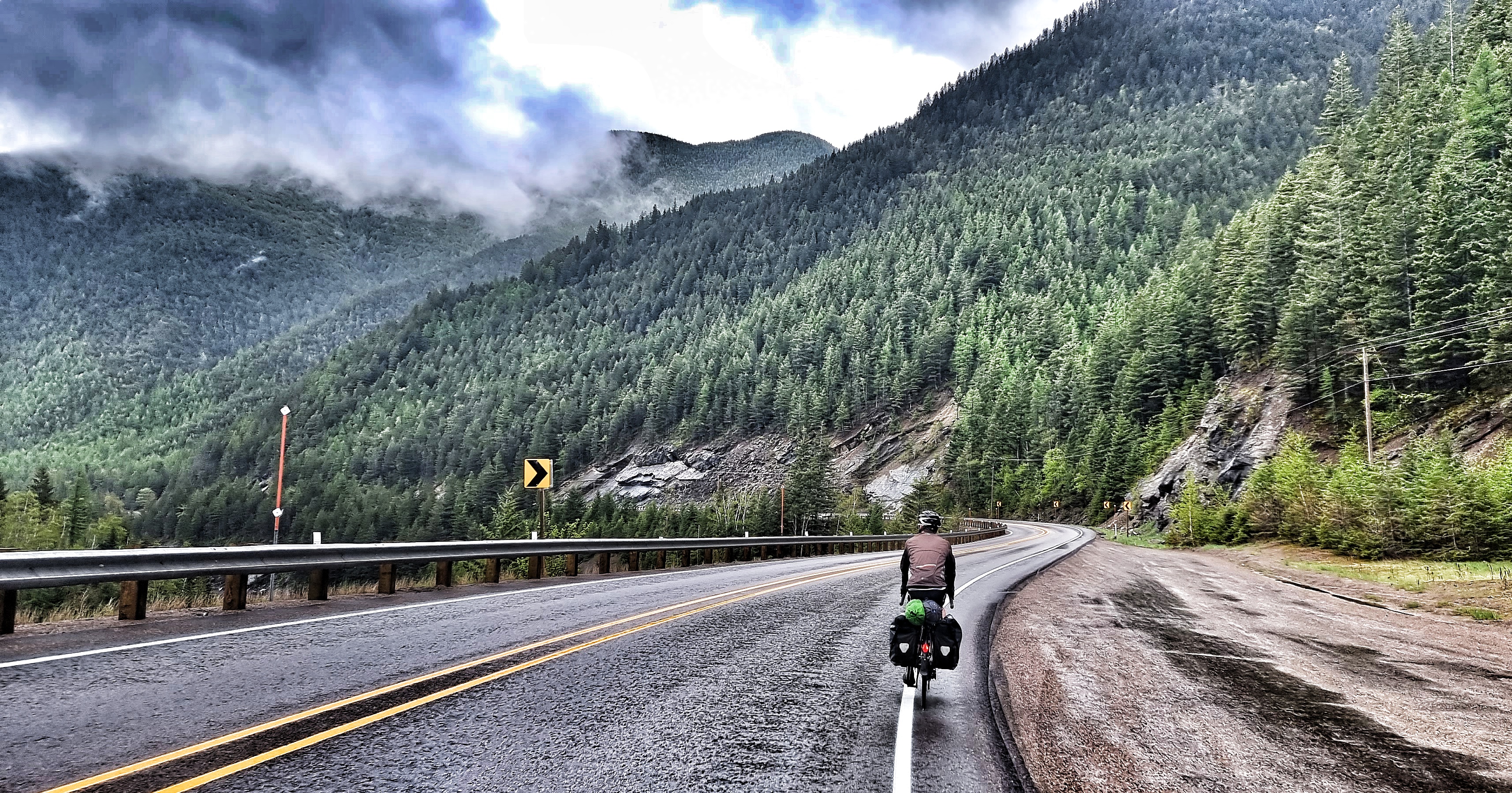
We woke up to slate grey, moody skies – a complete contrast that made us appreciate how fortunate we had been yesterday to see GNP in its fully glory. It was almost as if the curtains had been pulled across the big, snowy peaks today as we made our way back along the lakeside.

I chose to stop at some of the same lookouts, as well as a couple of different ones, just to get some comparisons with yesterday – later in the day I found out that on average, there are 5 days in May where the sun puts its hat on. That really brought home how lucky we were on Thursday.

Even though the mountains were mainly hidden, every now & again one of the peaks would peek out from behind its cotton wool curtain – the lake again played its part by acting as a mirror & inverting the view.

As we reached Apgar we took the campground loop road & then our own cycle path – although it had rained overnight, at this point we were still avoiding the rain! Leaving GNP, we stopped in West Glacier Village for breakfast, as we weren’t quite sure what (if any) our options would be on today’s route & we were still over 50 miles from East Glacier Village.

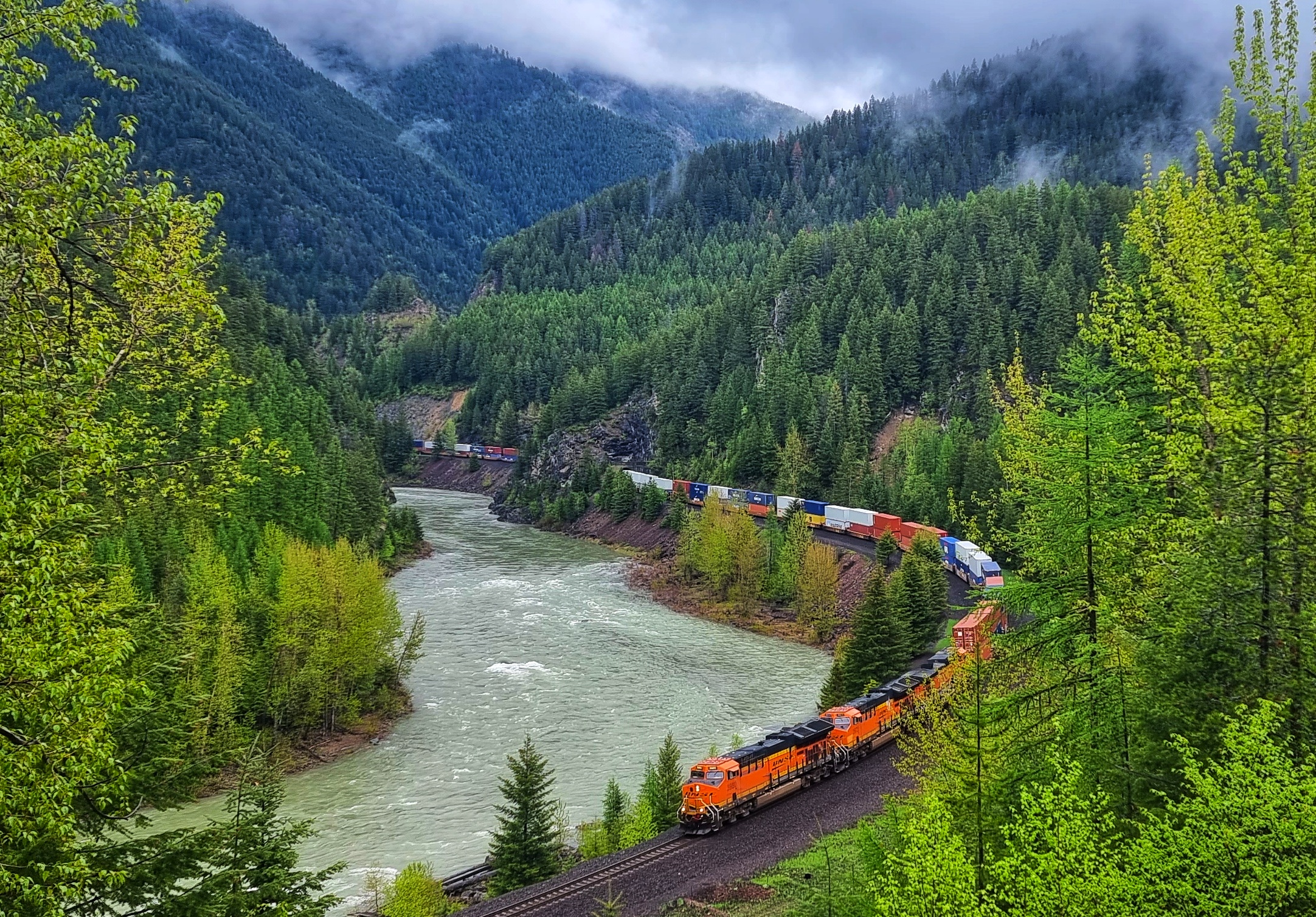
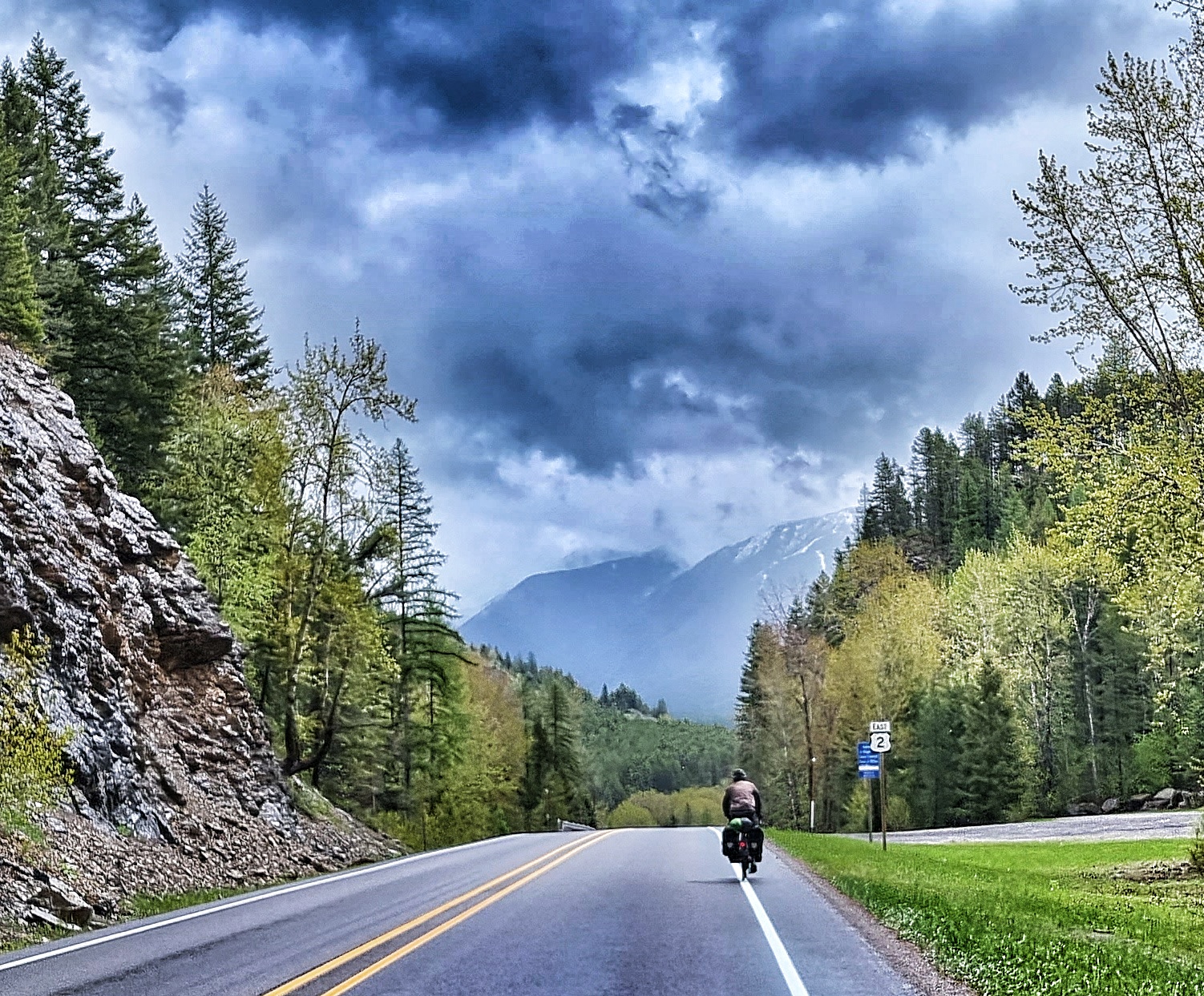
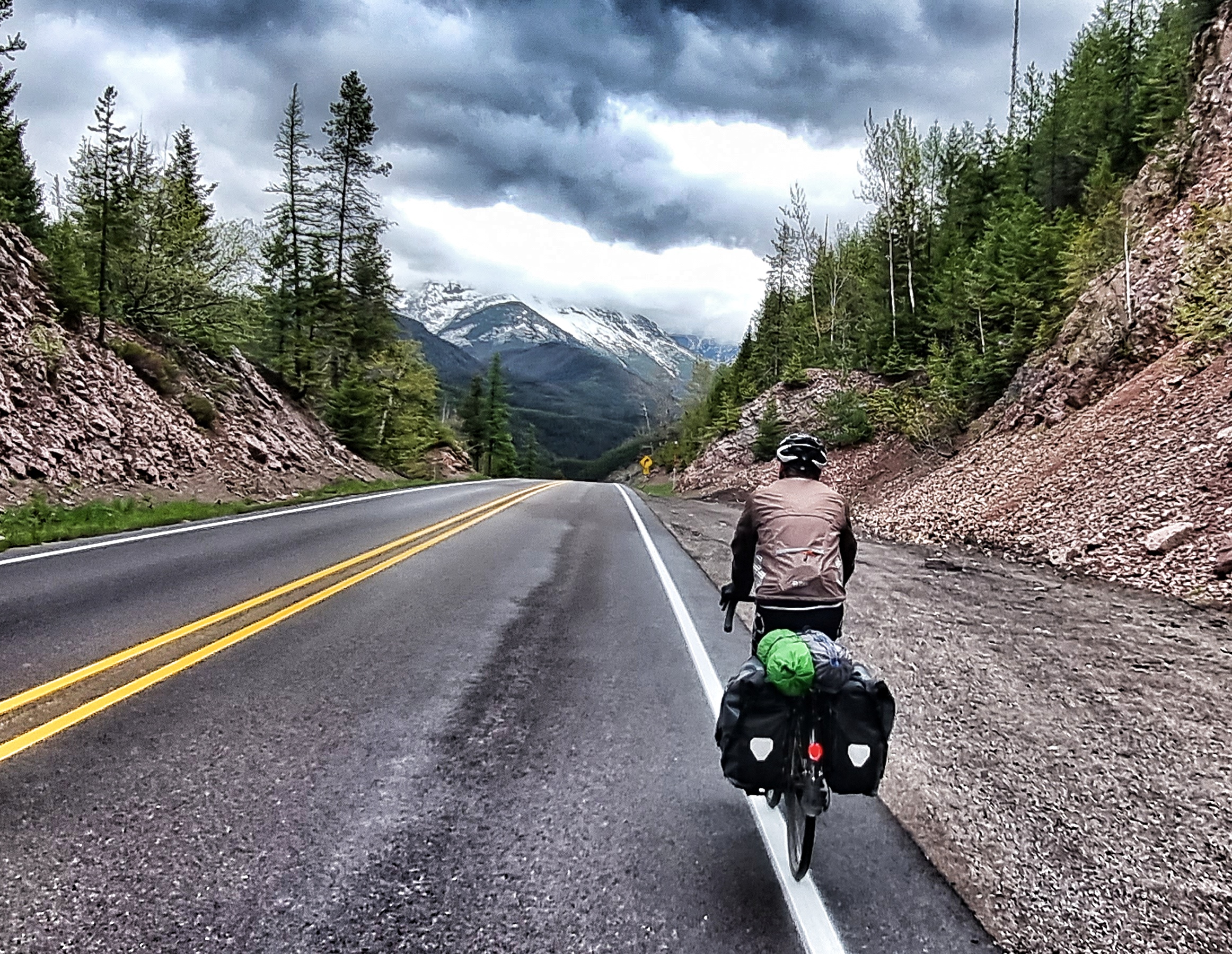
Heading East, we joined the US 2 & immediately started climbing, nothing severe, but enough to wake the legs up! We reached the summit of the climb just as a huge freight train was heading in the opposite direction – this one was double stacked with containers. The road continued to rise & fall gently, as we occasionally caught views of the Middle Fork Flathead river below.

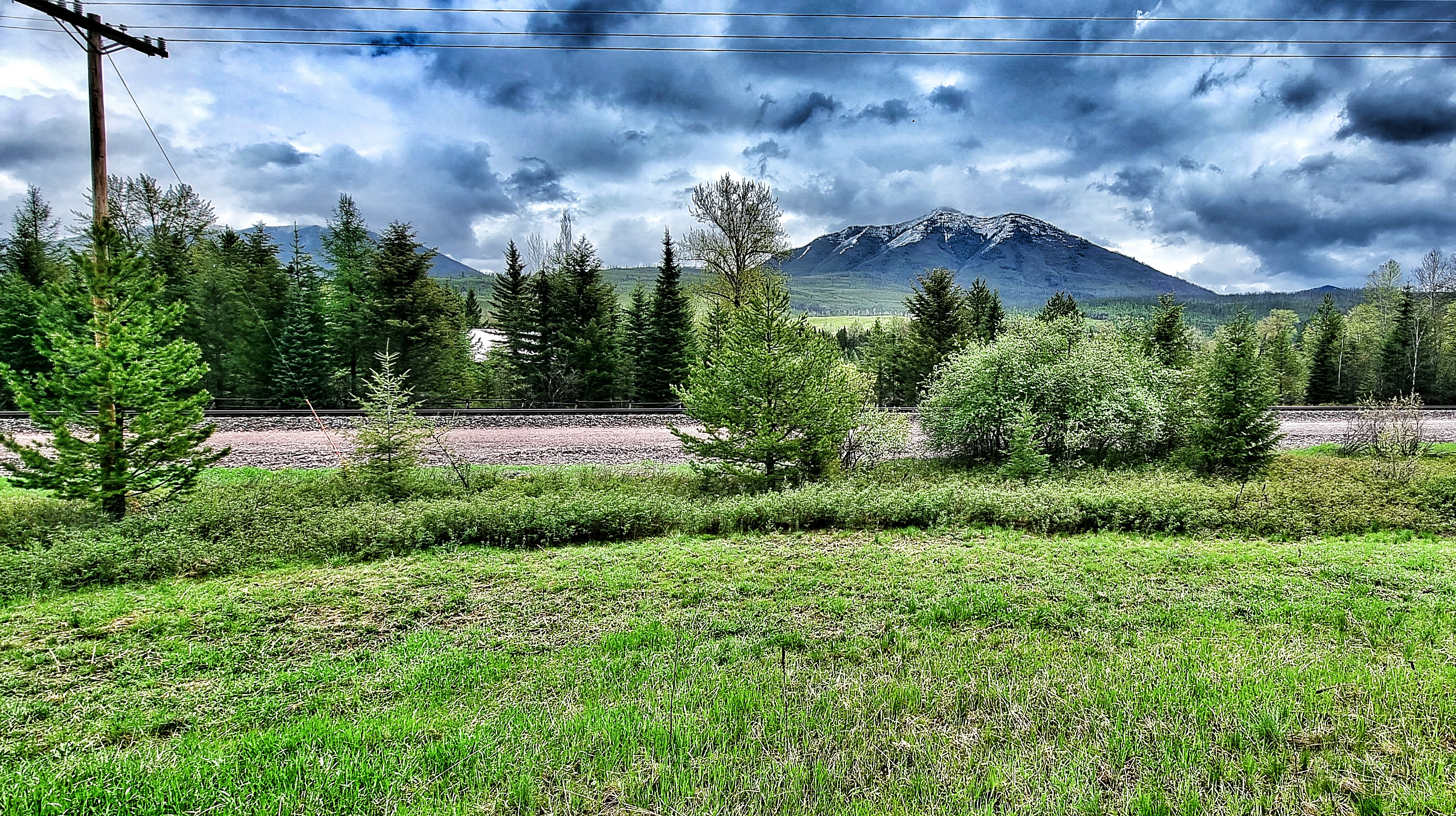
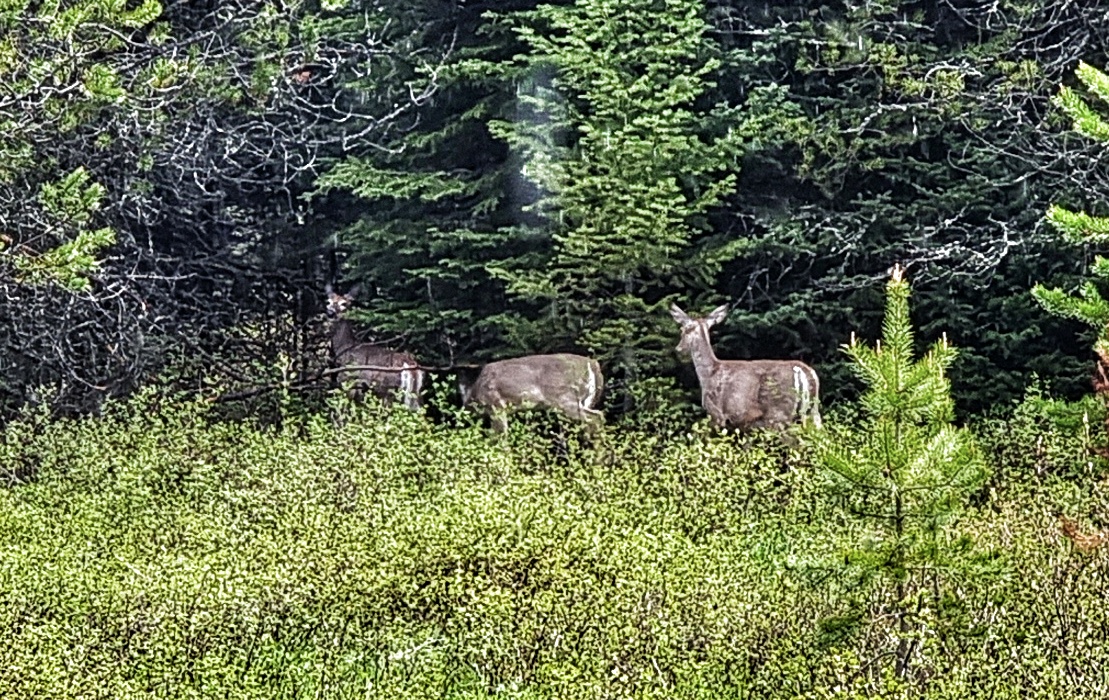
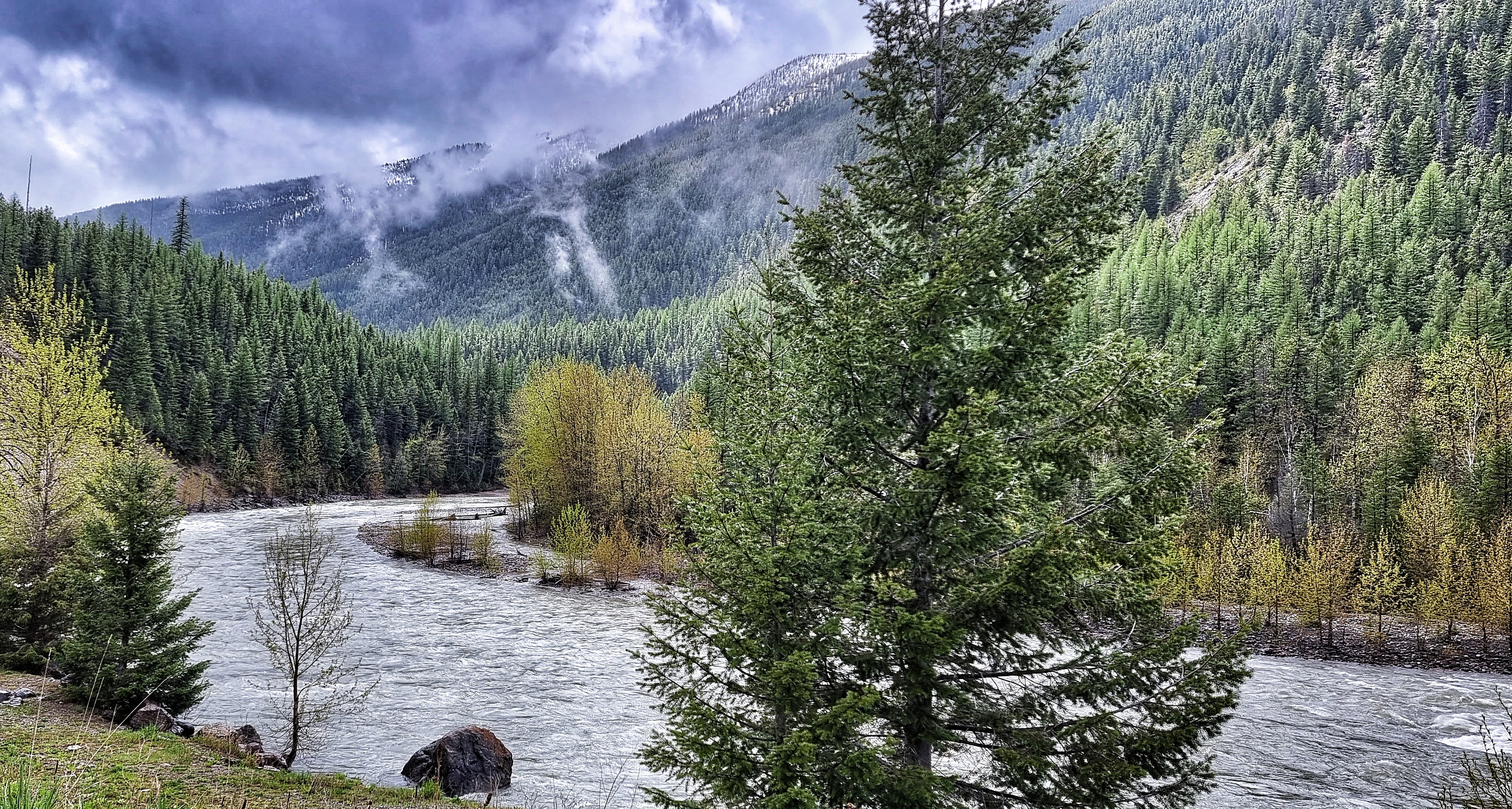
As we continued through the thick pines of the Flathead National Forest, we finally reached the end of the climbing for a while & descended to the valley floor, where we passed Walton Mountain, its summit wrapped in low-lying cloud. We were also visited by our old friends the inquisitive deer!!! It was about here that we got rained on for the first of several times today – never too heavy, or for too long, but enough to get us damp!

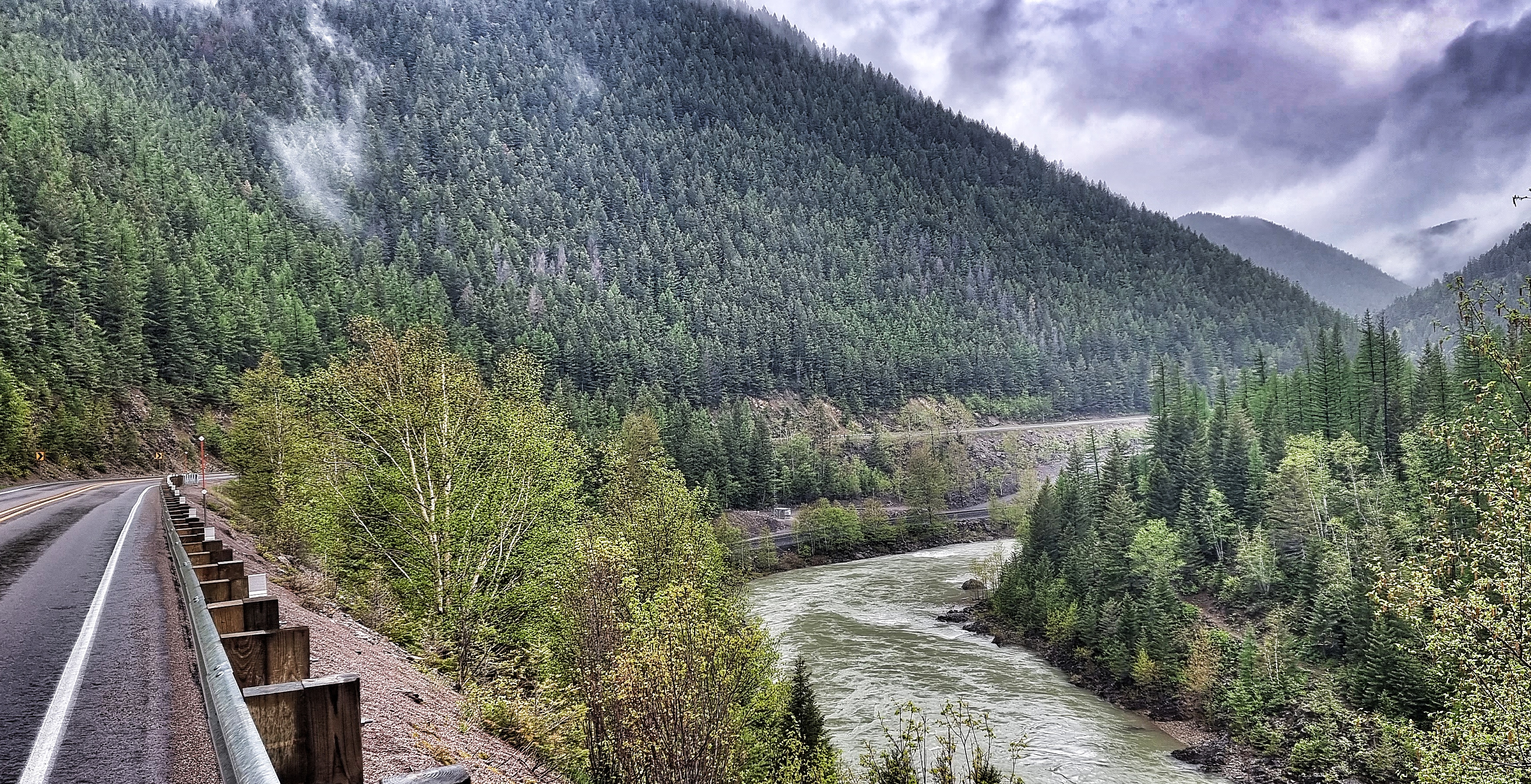
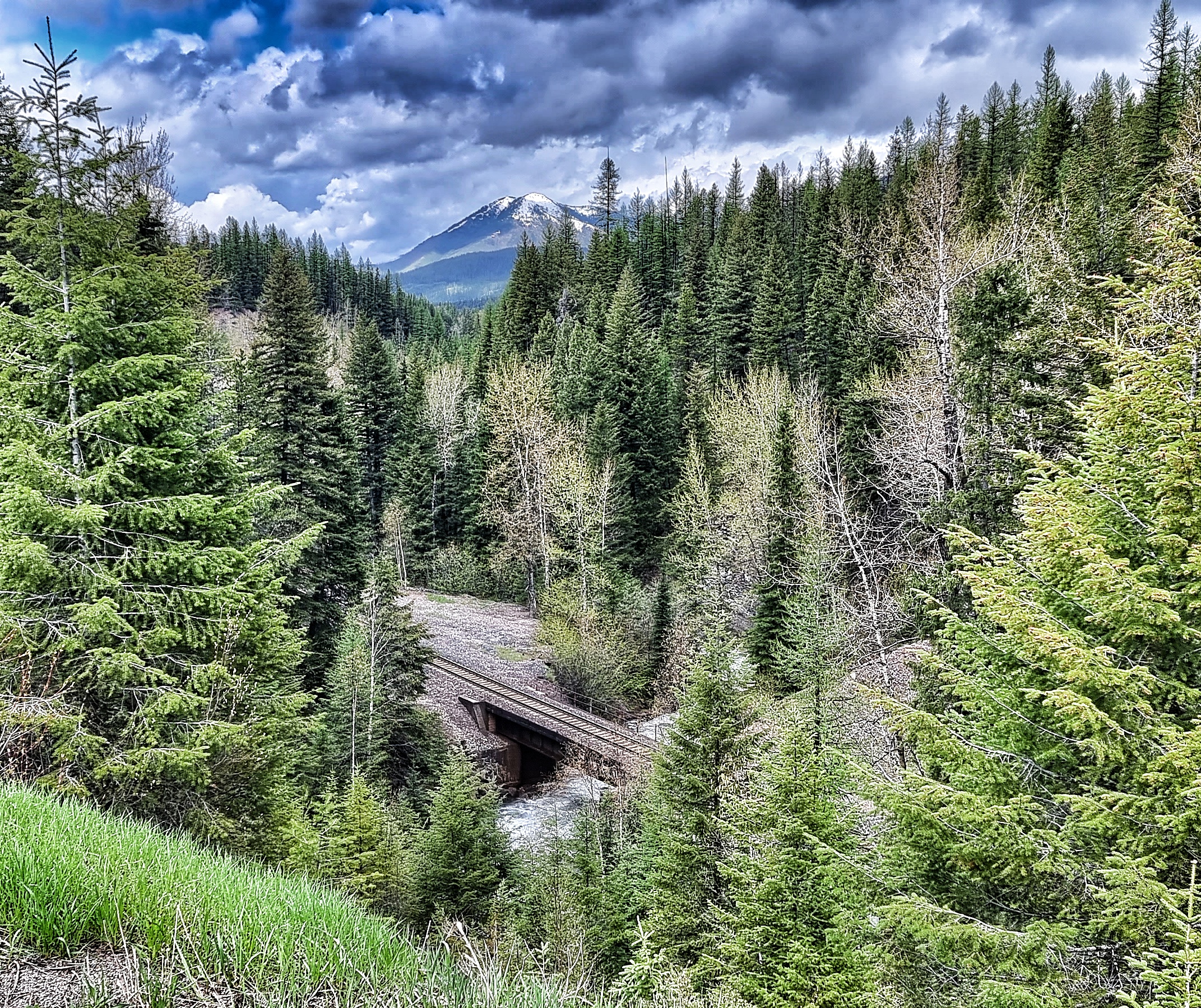
The railroad, river & road converged at a pinch-point in the valley & I was just quick enough to capture it on video. Regardless of the quality of my camerawork & presenting (or otherwise!) I’ve found video to be a great way to be reminded of where we were & how I felt at that time – Tony, thanks for the suggestion.

We crossed over the railroad, as it continued along the left hand side of the valley. We took a different route that saw us climbing the side of the valley & offering up views of the river & railroad below.

As we reached Essex we saw a sign to the Historic Izaak Walton Inn, so decided to take a detour as it also advertised being open all year – after 39 miles we were ready for coffee!

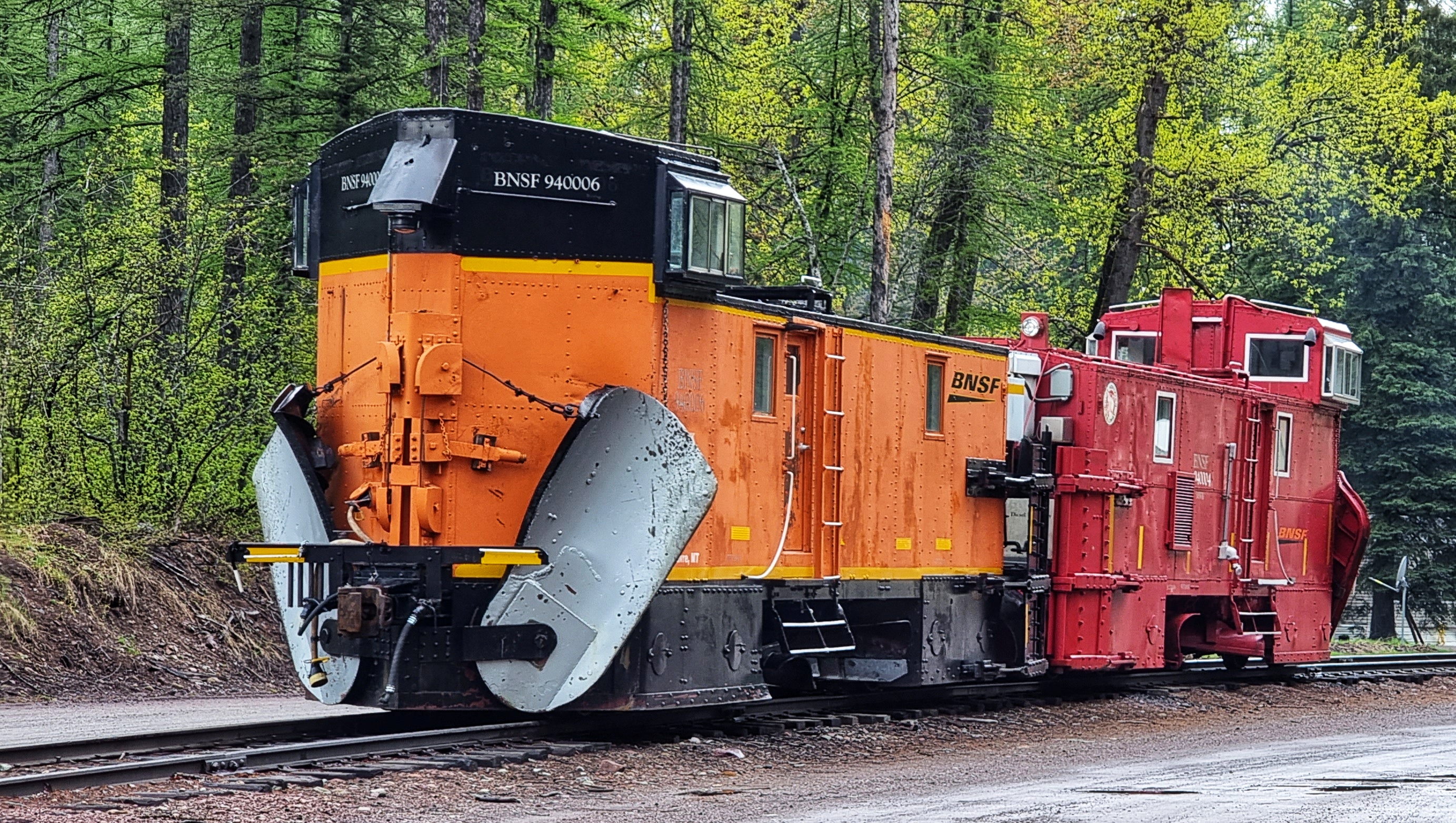
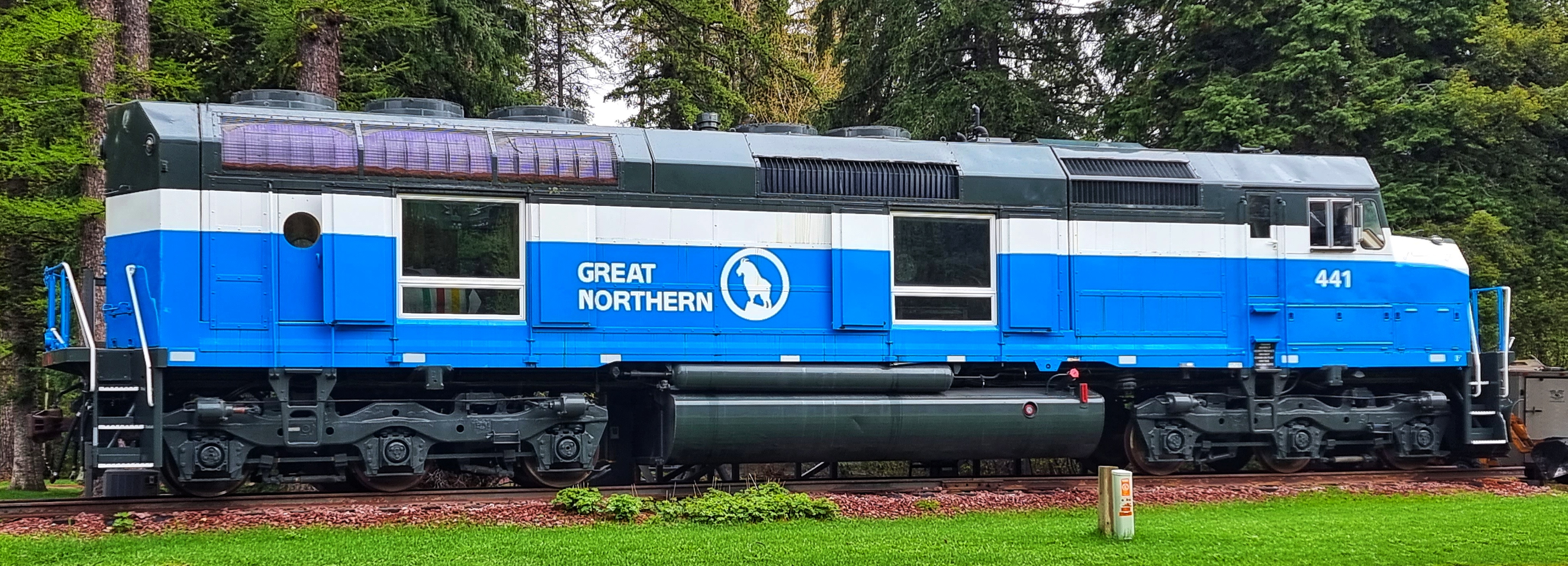
The Great Northern Railway (GNR) built a multi-track yard at Essex to allow “helper engines” to assist heavy Eastbound freight trains overcome the steep gradients of the Marias Pass as they crossed The Continental Divide. In 1939, the GNR authorised the building of the Izaak Walton Inn to accommodate the engine workers & it continues to be a working Inn to this day. There’s also a museum of historic engines & carriages, plus a photo of what looks to be a young Ronald Reagan.

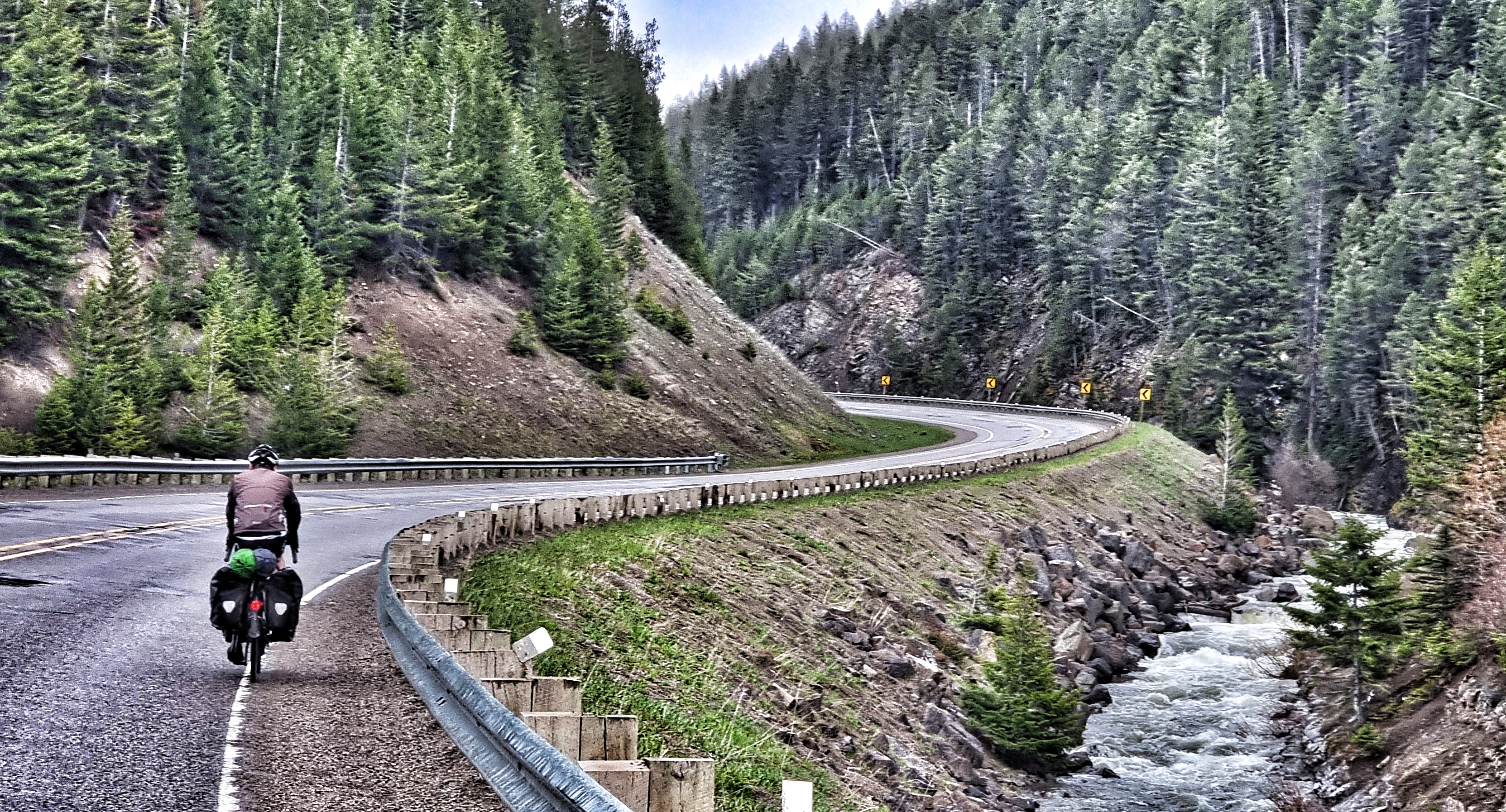
While we were relaxing inside, the heavens opened outside! Luckily by the time we remounted the steel steeds, we only had to deal with light rain & the short, sharp climb as soon as we joined the US 2 soon warmed us up! In no time we had big views over the river & railroad below, but then almost immediately gave all those hard fought for feet back! At Nimrod we left the Flathead river behind us & started following the course of the babbling Bear Creek.

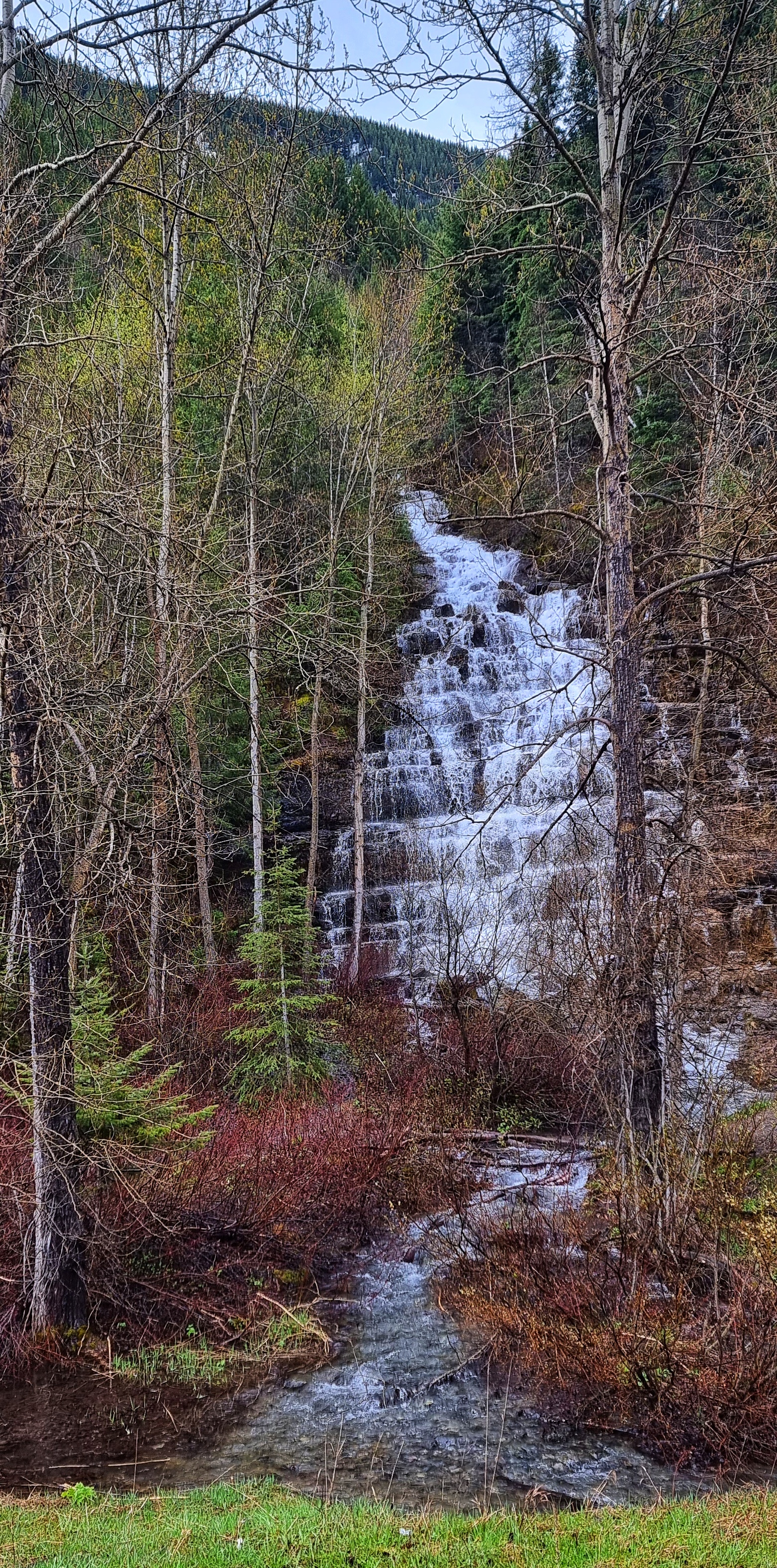
As we passed the Silver Staircase waterfall, it felt like this was where the climb to Marias Pass really began, even though we’d been gently climbing for the last 10 miles. The final 5 miles had a constant 4% gradient & this was made to feel a bit easier by the tailwind we’d picked up. Rounding the final corner, we were treated to the honk of a horn from a passing BNSF freight train.

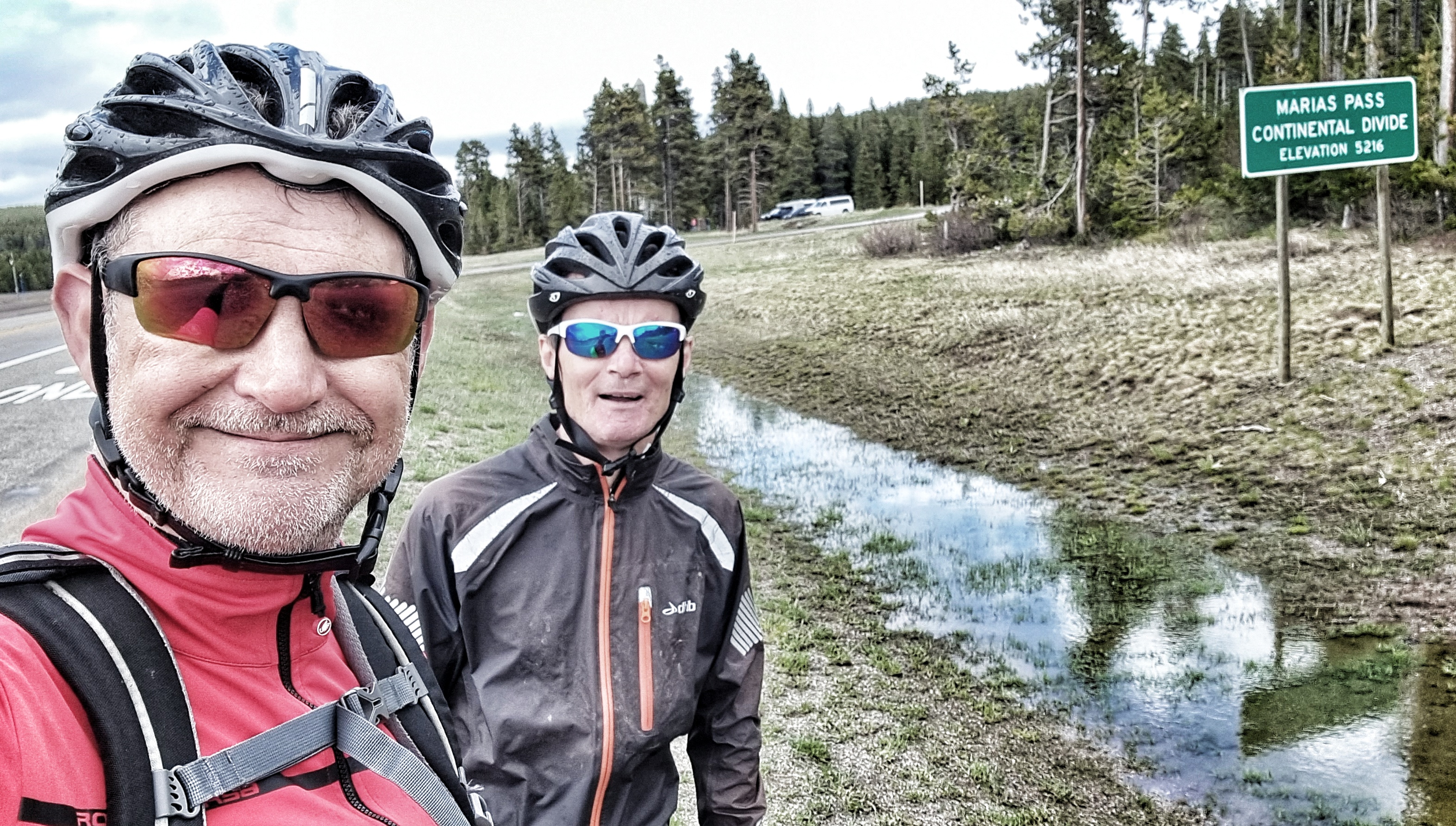
As we crested the Marias Pass, we crossed The Continental Divide for the first time – we hope to be criss-crossing it again later in the trip! Up until now, every river we’d followed had been depositing its water in the Pacific Ocean. Until we cross the Continental Divide again, water will either be making its way to the Gulf of Mexico or the Atlantic Ocean!

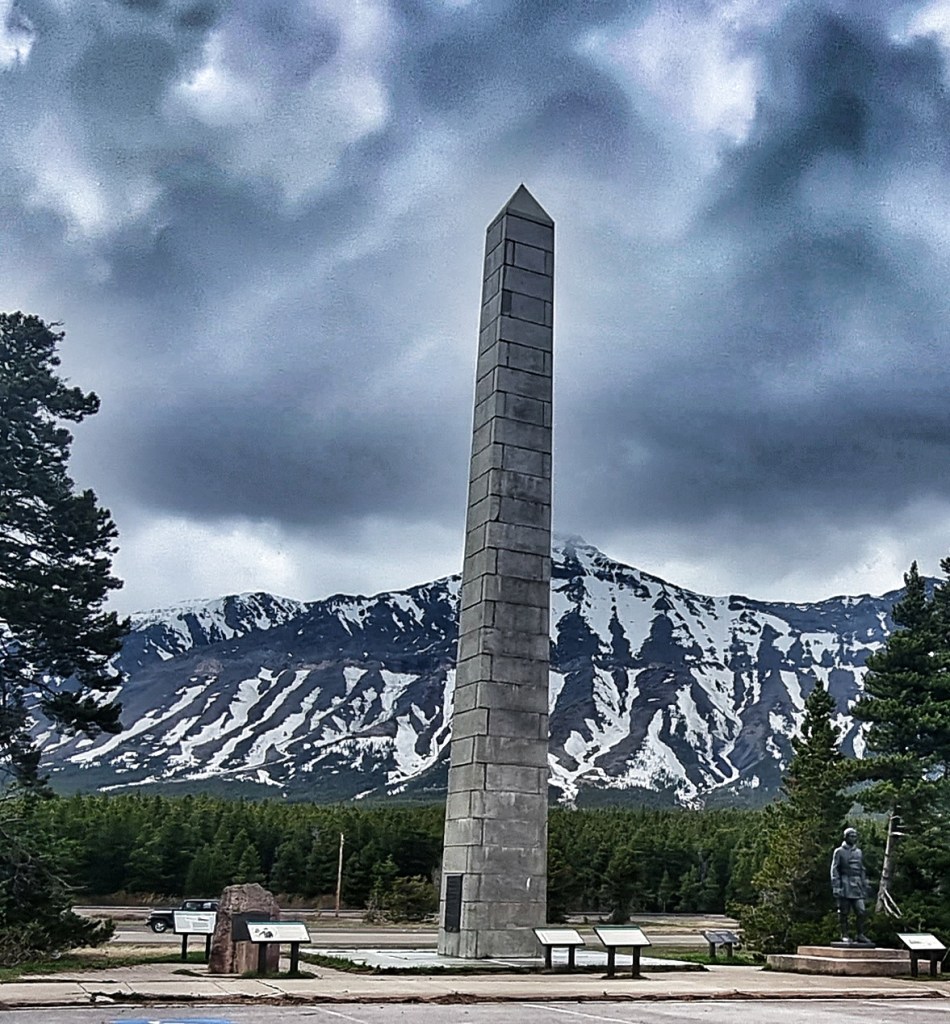
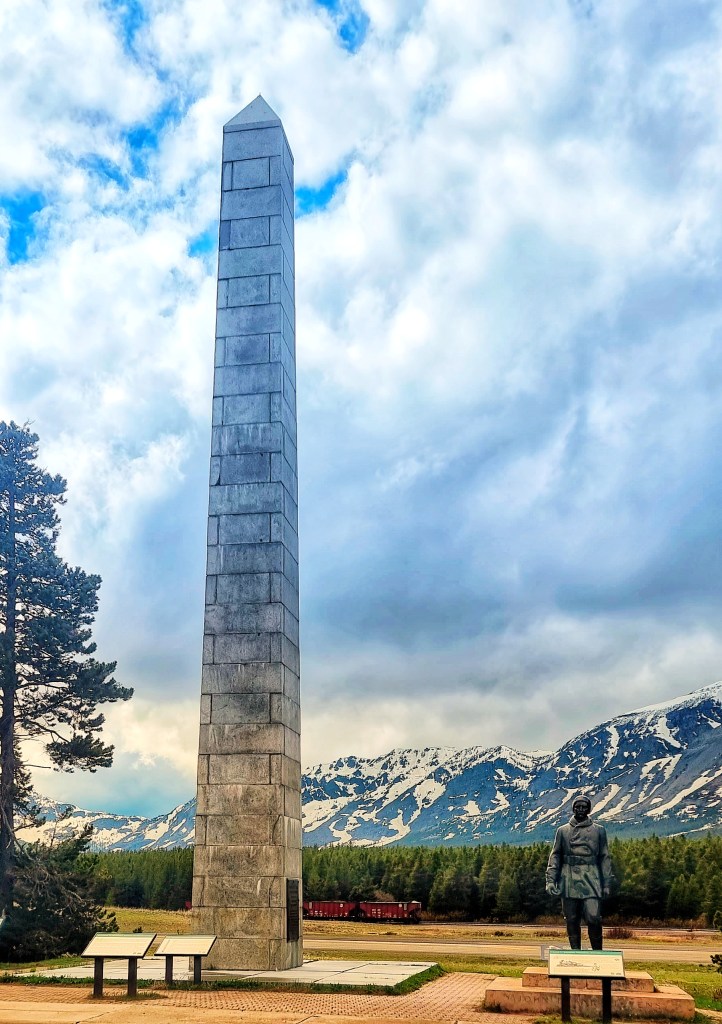
The Marias Pass is the lowest crossing point of the Continental Divide in Montana. Slippery Bill Morrison had claimed squatters rights to 160 acres of land atop the Marias Pass, however he donated a portion of his land to enable the Theodore Roosevelt Memorial to be built in 1932 to recognise him making forest conservation a national policy. The monument is a tapering, 60 foot tall obelisk & is made of solid granite.

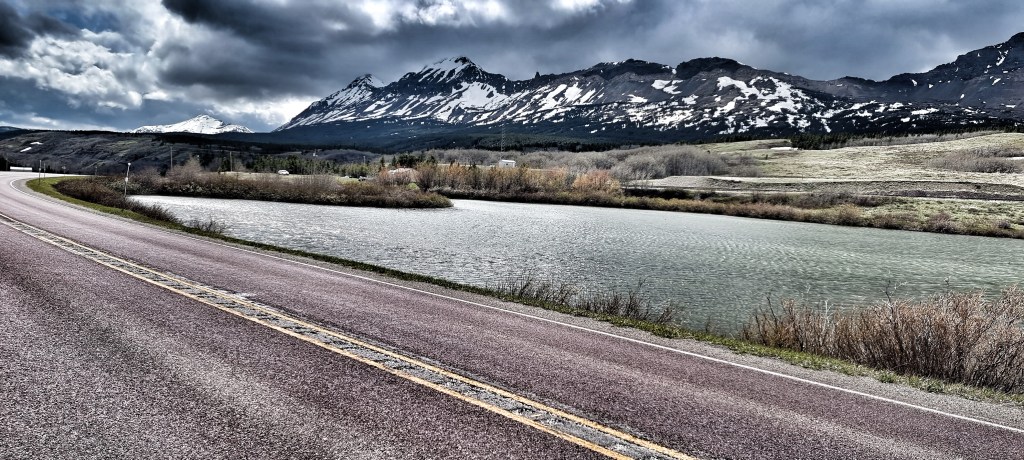
The 10 mile descent into East Glacier Village took us past a couple of small lakes as we followed Summit Creek into town.

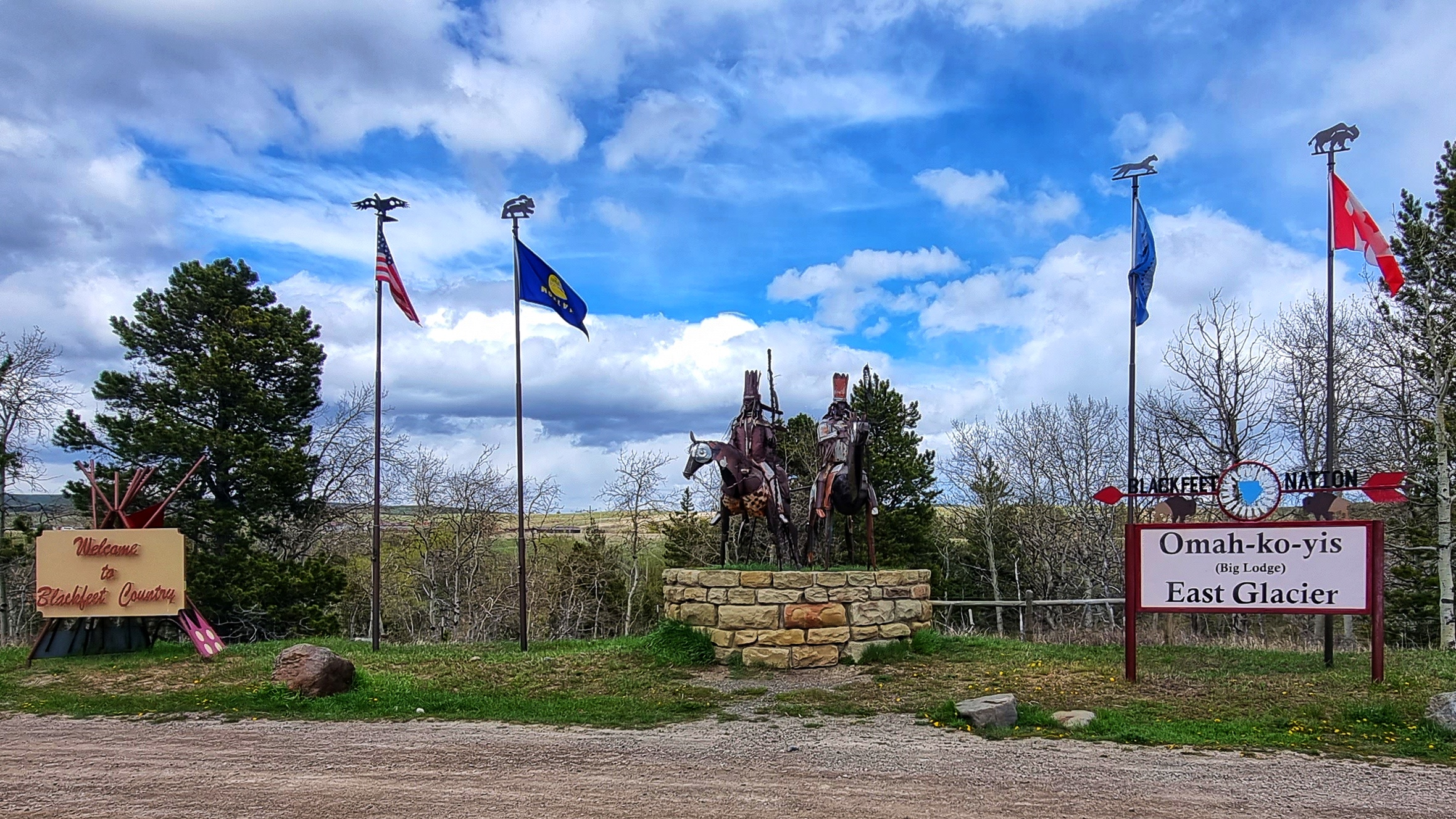
We’d been expecting something along the lines of West Glacier, so East Glacier came as a surprise as it’s an unincorporated town on Blackfeet Nation land. There appeared to be one hotel that was open (the one we were staying in) & there was one restaurant in town (a Mexican) – it certainly made some of our choices easy!! We’d had two incredible days of adventures in Glacier National Park & beyond, so it was time to toast our good fortune once again.
Stage Stats – 68 miles, 3,556 feet of climbing. Lots of small drags early in the ride, culminating in a hors category climb of Marias Pass & our first crossing of the Continental Divide.